
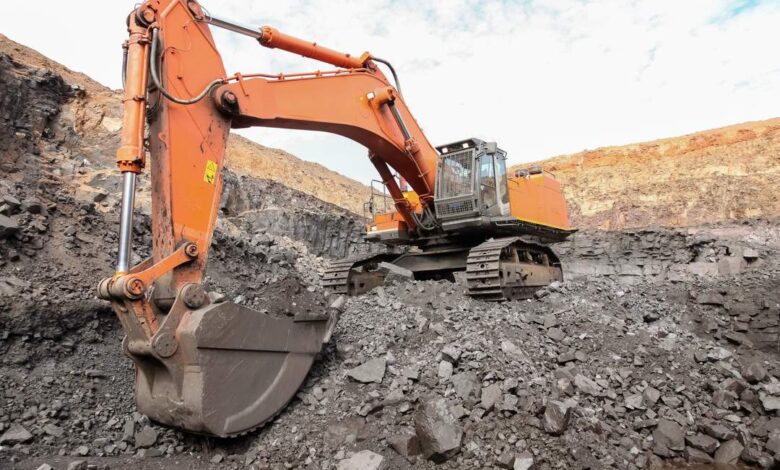
The impact is not uniform across the sector. According to Samuel Pelaez, President & CEO of Olive Resource Capital, vulnerability is determined by mine configuration and location. Underground, grid-connected operations face minimal exposure, with diesel representing only 4-5% of total costs. In contrast, large-scale, remote open-pit mines that rely on diesel for haul trucks and power generation face energy costs that constitute 30-40% of their total cost structure. “Different mines have different intensity of use of fuel… open pit mines, more operational leverage, more use of fuel per unit of product,” Pelaez noted.
Geographic factors are intensifying the squeeze. Australia is identified as the most energy-exposed major mining jurisdiction, importing 91% of its refined product consumption without spare refining capacity. This vulnerability led Olive Resource Capital to reduce its Australian mining equity exposure, arguing that current valuations do not adequately reflect fuel supply risks. Similarly, South Africa’s smaller open-pit miners are struggling to survive as diesel costs climb. The country’s economy has become increasingly diesel-dependent due to failures in electricity generation and freight rail, with diesel accounting for almost half of all fuel consumed nationally, up from a third in 2005.
Data from the Bureau for Economic Research indicates the economic toll is significant. Relative to the first quarter of 2026, diesel prices in the second quarter increased by almost 60%, compared with about 25% for petrol. Higher fuel prices are estimated to add roughly R45 billion (US$2.7 billion) to the South African economy’s quarterly spend, with nearly 70% of this cost burden stemming from diesel. In April 2026, the South African government introduced temporary fuel levy relief, expanding it to diesel by May to effectively reduce the general fuel levy on diesel to zero. This fiscal intervention is expected to cost the government approximately R17.2 billion in forgone revenue between April and June.
Copper producers face additional complexities. While copper prices reached all-time highs, potentially reflecting market anticipation of supply disruptions, major operations such as Highland Valley process approximately 160,000 tons of material daily—nearly double the volume of large gold mines like Detour Lake. This scale amplifies fuel consumption. Furthermore, supply risks are emerging from delayed ramp-ups at Freeport-McMoRan’s Grasberg mine and sulfuric acid shortages affecting heap-leach operations, which recently prompted a nickel smelter shutdown in Indonesia.
Despite cost pressures, consolidation continues. On May 13, Orla Mining and Equinox Gold announced a merger, creating a combined entity with over one million ounces in annual production. Analysts view this as a scale play to access generalist investors, though it reduces the pool of potential acquirers for mid-sized assets. With fewer than five high-quality, advanced development projects currently available, investors are increasingly prioritizing jurisdictional energy security and operational diversification in their valuation models.
The next critical data point will be the release of second-quarter 2026 earnings, which will reveal the extent of margin compression against the backdrop of moderating gold prices and persistent fuel inflation. Policymakers and industry leaders will continue to monitor fuel supply chain stability, particularly in net-importing jurisdictions, as the sector navigates this transitional period.