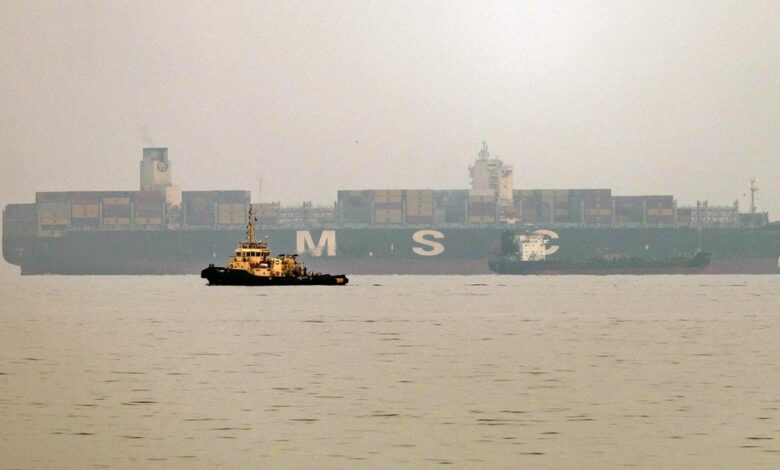
The price spike followed reports of heightened hostilities targeting key energy assets. Iranian state media reported that the Islamic Revolutionary Guard Corps claimed two oil tankers were hit by naval mines south of the Strait of Hormuz. Concurrently, the United Kingdom Maritime Trade Operations (UKMTO) issued an advisory regarding an incident involving a tanker and military forces off the coast of Oman. These maritime threats coincide with a wave of strikes by Yemen’s Iran-backed Houthi militants against Saudi Arabia. On Monday, the Houthis claimed attacks on the Shaybah oil field and Saudi Aramco facilities in the port city of Yanbu, a critical transport hub on the Red Sea.
The disruption to supply has immediate consequences for consumers, with the average price of a gallon of gasoline in the United States reaching $4.27 on Tuesday, according to AAA. This represents a rise of nearly $1.30 since late February. While the U.S. imports a limited amount of crude directly from the Middle East, the interconnected nature of the global oil market has transmitted the shortage and elevated costs to domestic refiners and consumers. The surge in fuel costs has contributed to a three-year high in U.S. inflation observed in May, although inflation rates eased slightly over the summer following a preliminary, though now expired, peace agreement.
Market volatility remained pronounced amid conflicting diplomatic signals. While prices initially reversed from their intraday highs following reports of progress in U.S.-Iran negotiations, the physical risk to supply chains remains acute. Iran’s foreign minister stated that the Strait of Hormuz could reopen within days if the U.S. adhered to the conditions of a proposed seven-day ceasefire plan. However, regional tensions persist, with Yemen’s foreign minister rejecting Iran’s offer to mediate the conflict, asserting that Tehran is a party to the war through its support of the Houthis.
Saudi Arabia has responded to the aerial threats, with its military coalition announcing the interception and destruction of two ballistic missiles targeted at Khamis Mushait and one drone aimed at Riyadh. Residents in the capital received mobile alerts regarding hostile aerial threats early Sunday morning. The expiration of the tentative U.S.-Iran accord in August has allowed attacks on oil infrastructure and shipping to resume, straining global fuel supplies. Investors are now weighing the physical damage to Saudi and maritime assets against the uncertain timeline for a diplomatic resolution.