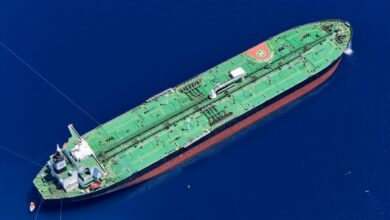
The move is directly responsive to recent geopolitical instability. As noted in reports from the period, the US-Israeli war with Iran severely disrupted energy supplies to Asia, particularly those transported through the Strait of Hormuz. These disruptions prompted countries in the region to draw down their inventories, raising global concerns about stockpile levels and the resilience of existing logistics networks. Before these conflicts, Asia sourced two-thirds of its oil imports from the Middle East, a dependency that highlighted the vulnerability of long-haul maritime routes. By bringing supply closer to key Asian markets, the arrangement aims to strengthen the flexibility of the supply network and support Singapore’s security of supply and preparedness, according to Tan.
Saudi Arabia’s commitment to this new logistical node was emphasized by Energy Minister Prince Abdulaziz bin Salman Al-Saud. In a video recording addressed to the conference, the Prince highlighted Saudi Arabia’s dedication to supplying energy reliably to markets globally despite ongoing geopolitical tensions that threaten to disrupt supply chains. “Bringing supply closer to key Asian markets would strengthen the flexibility of our supply network,” Al-Saud said, framing the project not merely as a commercial agreement but as a strategic measure for regional stability.
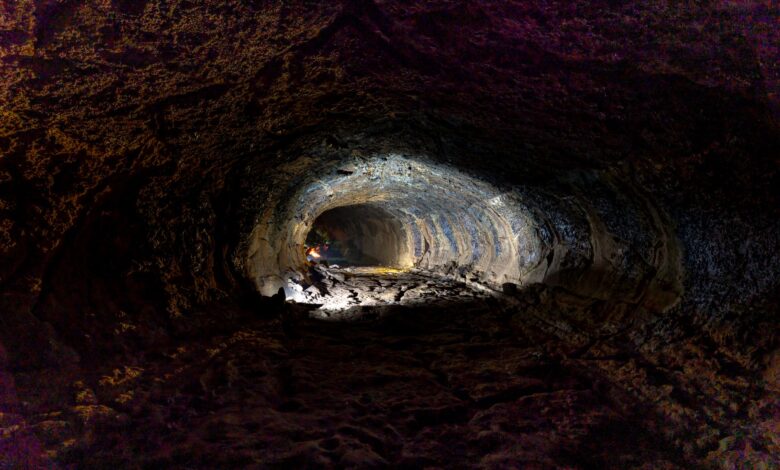
The physical infrastructure underpinning this agreement is the Jurong Rock Caverns, an underground facility located 150 meters beneath Jurong Island in Singapore. The caverns have a total storage capacity of up to 1.47 million cubic meters, which equates to approximately 9 million barrels of liquid hydrocarbons, including crude oil and condensate. While the specific volume of Saudi crude allocated to these caverns was not disclosed in the initial announcements, the facility’s existing capacity provides a substantial buffer for the region. The operational start date is targeted for the second half of 2027, allowing time for the finalization of legal and technical frameworks.
Immediate procedural steps have already been initiated. Tan indicated that Saudi Aramco was expected to sign a Memorandum of Understanding (MoU) with Singapore’s Energy Market Authority (EMA) and JTC Corporation on Monday, with negotiations anticipated to conclude within a few months. This MoU serves as the foundational document for the storage arrangement, detailing the terms under which Saudi crude will be held in the Singaporean facility. The involvement of JTC Corporation, the government agency responsible for land and property planning in Singapore, underscores the integrated nature of the project, linking national energy policy with local infrastructure management.
This development follows a precedent set by Saudi Aramco’s existing storage partnerships in other parts of Asia. The company already stores crude oil in Japan and South Korea, where local governments have priority access to the supplies in the event of an unexpected shortage. For instance, in Okinawa, Japan, such arrangements have provided a critical safety net for domestic consumers. The Singapore arrangement mirrors this model, extending the reach of Saudi strategic reserves into Southeast Asia. This expansion is significant for Singapore, a hub for global trade and refining, which does not produce significant domestic oil but relies heavily on imports to fuel its economy and power its industrial sector.
The strategic logic behind the project is multifaceted. From a market perspective, it reduces the transit risk associated with moving oil from the Persian Gulf to Asian refineries. By positioning stockpiles in Singapore, traders and refiners gain greater optionality and speed in responding to sudden demand spikes or supply shocks. For the broader Asian region, the increase in accessible strategic reserves helps mitigate the risk of price volatility that often accompanies geopolitical unrest in the Middle East. The disruption of the Strait of Hormuz, a chokepoint for a significant portion of global oil trade, has demonstrated the fragility of these routes; the Jurong Rock Caverns offer an alternative, secure repository that is less susceptible to such specific geographic bottlenecks.
However, the implementation of this plan involves complex negotiations and operational challenges. The MoU signing is only the first step, and the final contracts will need to address pricing mechanisms, liability, and the precise terms of priority access for Singaporean entities. The timeline, with storage beginning in late 2027, suggests a period of intense regulatory and technical review. Both governments are likely to coordinate closely with energy market operators to ensure that the stored crude can be efficiently integrated into the existing distribution networks.
For Singapore, the project reinforces its status as a key energy hub in Asia. It adds a layer of resilience to the island city-state’s energy security strategy, which has traditionally focused on diversifying supply sources and maintaining robust infrastructure. For Saudi Arabia, it strengthens its market position by offering a value-added service to its Asian customers, enhancing the reliability of its supply chain. As the energy landscape continues to evolve, with increased focus on security of supply and geopolitical risk management, such bilateral storage agreements are likely to become a more common feature of international energy strategy.
As the negotiations proceed toward their conclusion in the coming months, the focus will shift from political announcement to operational readiness. The next verified development will likely involve the formal signing of the definitive agreements following the MoU, followed by the commencement of technical preparations at the Jurong Rock Caverns. The success of this project will be measured not only by the volume of oil stored but by its effectiveness in stabilizing regional markets during periods of stress.