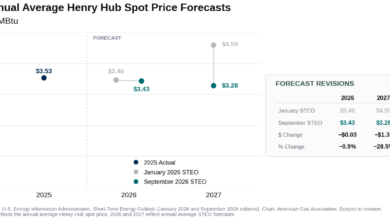
The core of the problem lies in the structural relationship between heating oil and crude oil benchmarks. Heating oil prices are not independent; they are tightly correlated with the price of crude oil, often tracking the spread between heating oil futures and crude oil futures. When crude prices rise due to geopolitical tensions, OPEC+ production decisions, or global demand shifts, heating oil prices typically follow suit. For consumers in the Northeast and upper Midwest, who rely heavily on fuel oil for heating, this transmission mechanism means that global market dynamics are felt directly at the kitchen table during the coldest months.
For Republican Senate candidates, this dynamic creates a difficult messaging environment. While the party often advocates for increased domestic energy production as a means to lower costs, the immediate impact of higher heating bills can undermine this narrative. Voters in states such as Pennsylvania, Wisconsin, and Michigan—historically contested in Senate races—are acutely sensitive to utility costs. Even if macroeconomic factors like inflation or supply chain constraints are the root causes, the visible symptom for the average household is a significantly higher heating bill.
It is crucial to distinguish between wholesale energy prices and consumer tariffs. While wholesale heating oil prices may fluctuate based on supply and demand, the final cost to the consumer is also influenced by distribution costs, state taxes, and dealer margins. In some states, heating oil is subject to specific excise taxes that can add a substantial premium to the pump price. Republicans who advocate for tax cuts or deregulation may argue that reducing these state-level burdens would lower costs, but this argument requires careful navigation regarding state fiscal responsibilities and budget deficits.
Furthermore, the timing of the issue is critical. As winter approaches, demand for heating oil spikes, leading to seasonal price premiums. This seasonal volatility makes it difficult for politicians to promise long-term price stability without addressing the underlying infrastructure and supply chain issues. Unlike natural gas, which is piped directly to homes with a relatively fixed monthly rate structure, heating oil is a purchased commodity. Consumers buy a specific volume of fuel, meaning they bear the full risk of price fluctuations at the time of purchase. This exposes them to immediate market shocks that piped gas users may only experience gradually through adjusted rates.
Political analysts note that this issue is not merely about energy policy but about economic anxiety. In an era where consumers are already grappling with high prices for food, rent, and healthcare, a surge in heating costs can serve as a tipping point for voter sentiment. Republican candidates must therefore craft a message that acknowledges the immediate pain of high heating bills while outlining a credible path toward long-term energy security and cost reduction. This may involve emphasizing domestic production, strategic stockpiling, or infrastructure investment, but it requires avoiding simplistic explanations that blame external factors without offering tangible solutions.
The lack of a unified national strategy for winter heating affordability exacerbates the political risk. State-by-state variations in energy mix, taxation, and infrastructure mean that a one-size-fits-all federal approach is difficult to implement. For example, states with high natural gas penetration face different challenges than those with a higher reliance on oil and propane. Republican candidates in oil-dependent states must address the specific vulnerabilities of these regions, including the aging infrastructure of oil delivery systems and the limited storage capacity of households.
As the Senate races intensify, the heating oil issue is likely to become a recurring theme in campaign speeches and debates. Candidates will be scrutinized not just on their broader energy platforms but on their ability to connect with voters’ immediate financial realities. The ability to articulate a clear, data-driven explanation of why heating costs are high and what specific actions can be taken to mitigate them will be a key differentiator. Until then, the winter heating season remains a significant hurdle for Republicans seeking to secure majority control of the Senate, highlighting the enduring power of energy costs in shaping political outcomes.