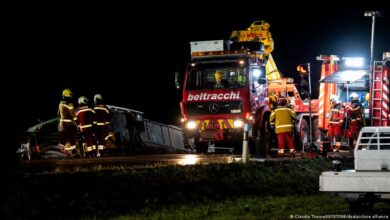
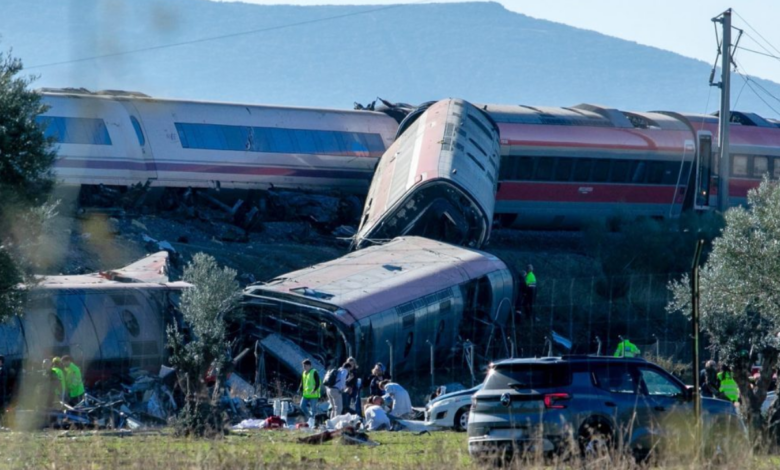
The suspension of services represents a significant interruption to one of Spain’s busiest transport axes. The collision has not only halted movement at the point of impact but has triggered cancellations across the affected routes. Passengers with itineraries leading to the south are now advised to revise their plans, a directive that underscores the immediate operational freeze imposed by the incident. The disruption is not isolated to a single track; rather, it affects the broader connectivity between the capital and the southern peninsula, creating a bottleneck for both domestic travelers and international tourists relying on the rail system for efficient transit.
In response to the emergency, both Renfe and Iryo have initiated measures to manage the fallout. The primary immediate action involves the processing of refunds for affected tickets, a standard protocol in such disruptions that places a significant administrative load on the carriers. Beyond financial restitution, the companies are working to assist impacted individuals, likely involving guidance on alternative travel options or rerouting where possible. The coordination between the two operators, who compete on the same routes, is crucial in this context, as the shared infrastructure means that the failure of one service directly impacts the viability of the other. The emergency measures indicate a structured response aimed at stabilizing the situation and mitigating the inconvenience to the public.
The environmental and infrastructural significance of this incident lies in the vulnerability of high-speed rail networks to single-point failures. While the sources do not provide specific details on the physical damage to the tracks or rolling stock, the suspension of service implies that the integrity of the line at Urda is under scrutiny. Rail transport is generally considered a low-carbon alternative to road and air travel, and extended disruptions can push passengers toward more carbon-intensive modes of transport, temporarily altering the environmental footprint of the journey. However, the immediate priority remains the safety assessment and the restoration of service, with the environmental impact being a secondary consideration in the acute phase of the crisis.
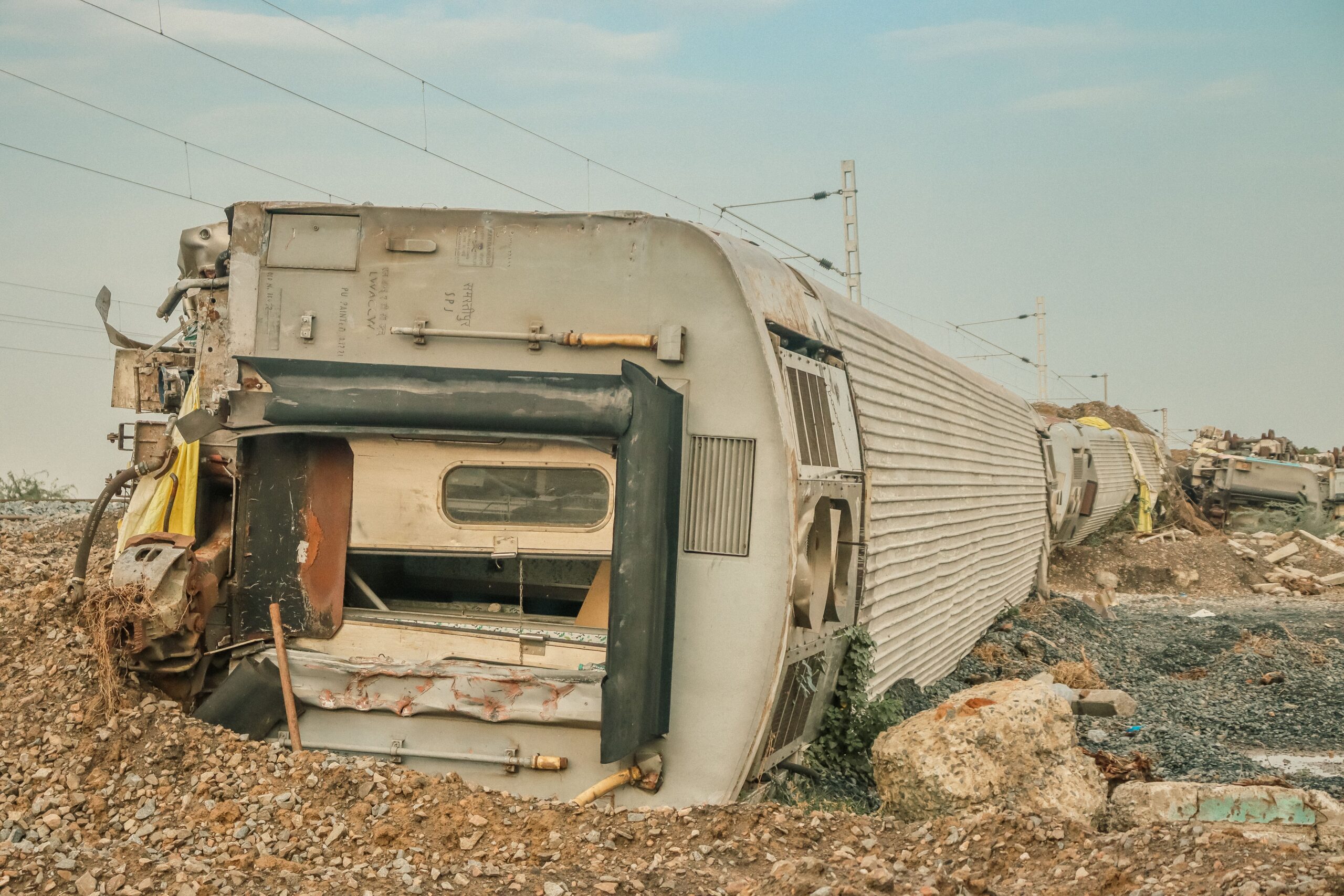
The scope of the disruption extends beyond the immediate Madrid-Andalusia link. Reports indicate that the incident has also affected two other routes, suggesting that the collision or its aftermath has created a ripple effect through the wider network. This multi-route impact highlights the interconnected nature of modern rail systems, where a single incident in one locality can cascade into broader operational challenges. For travelers, this means that alternative routes may also be compromised, complicating efforts to find detours. The advice for passengers to revise itineraries reflects a lack of immediate certainty regarding the timeline for service restoration.
Authorities are currently assessing the situation, a process that typically involves investigating the cause of the collision, evaluating the damage to infrastructure, and determining the safety of the line. This assessment phase is critical for establishing the timeline for the return to normal operations. Until the assessment is complete and any necessary repairs are carried out, the suspension of services is likely to remain in place. The uncertainty surrounding the duration of the disruption adds to the stress for travelers, who may be stranded or forced to make last-minute changes to their travel plans. The lack of a confirmed timeline for service resumption means that the situation remains fluid, with updates dependent on the progress of the official investigation and repair efforts.
The incident serves as a reminder of the complexities inherent in managing high-frequency, high-speed rail networks. The collision between two major operators, Renfe and Iryo, underscores the challenges of coordinating safety protocols in a competitive market environment. While the sources do not detail the specific causes of the crash, the resultant disruption highlights the importance of robust infrastructure maintenance and emergency response planning. For the communities and economies of Seville, Málaga, and Córdoba, which rely heavily on rail connections for tourism and commerce, the suspension represents a tangible economic and social impact, even if temporary.
As the situation develops, the focus will remain on the safety of the infrastructure and the welfare of the affected passengers. The emergency measures initiated by the carriers are a necessary first step, but the resolution of the incident will depend on the findings of the official assessment. The broader implications for the rail network’s reliability and the confidence of travelers in the system will likely be subjects of further scrutiny in the days and weeks that follow. For now, the rail lines between Madrid and the south remain silent, a stark contrast to the usual hum of high-speed travel, as authorities work to restore order and safety to the network.
The immediate next step is the completion of the situation assessment by authorities. This evaluation will determine the extent of the damage and the feasibility of reopening the lines. Passengers are advised to stay informed through official channels, as updates on service restoration and further assistance measures will likely emerge as the assessment progresses. The incident at Urda, while localized in its origin, has had a wide-reaching effect on travel patterns and operational logistics across southern Spain, marking a significant pause in the flow of people and goods along one of the country’s most vital transport corridors.