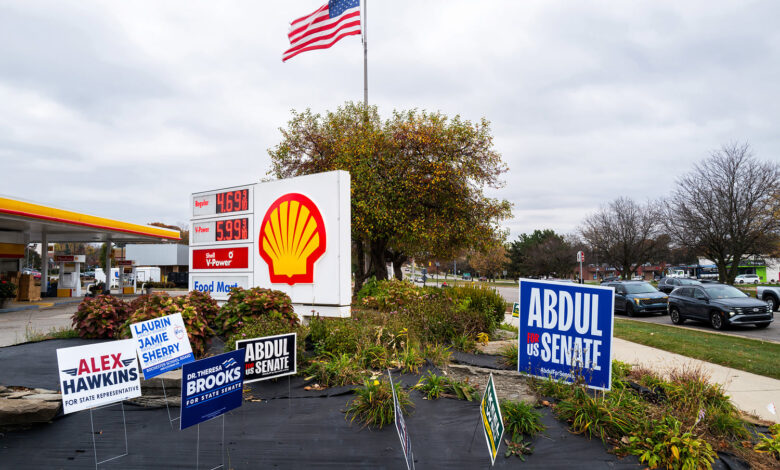
The economic strain is particularly acute in several states with closely contested Senate races, where gas price increases have outpaced the national average. In Iowa, average gas prices have jumped nearly 55% since late February. Similar figures of roughly 55% are reported in Nebraska, while Kansas has seen a 53% increase. Michigan drivers face a 51% rise, with prices climbing from $2.99 to $4.52 per gallon. Ohio has experienced a 48% increase, and Maine has seen prices rise by 46%. These states feature competitive matchups, including Democrat Josh Turek in Iowa, Democrat Adam Hamilton in Kansas, independent Dan Osborn in Nebraska, and Democrat Abdul El-Sayed in Michigan.
Political polling suggests this economic pressure is influencing voter sentiment across party lines. According to the latest NBC News poll, 53% of Republicans are dissatisfied with the state of the economy. This discontent has created an opening for Democrats, who are widely expected to win the House majority, while the Senate remains highly competitive. Analysts note that any of the tight Senate races could tip either way as voting and counting unfold. The economic frustrations extend beyond fuel, with voters citing higher grocery and housing costs as primary concerns.
Experts attribute some of the persistent high prices in the Great Lakes region to logistical challenges. Patrick De Haan, chief petroleum analyst at GasBuddy, noted that refineries servicing Michigan, Ohio, and Iowa are located far from the coasts and cannot easily restore supply lost to weather events or capacity issues. “When you’re isolated in the interior of the country, these problems can linger as long as the refinery is experiencing issues,” De Haan said. Meanwhile, a WalletHub study indicates that households in several battleground states, including Ohio and Michigan, are spending a disproportionate amount of their monthly income on groceries compared to the rest of the country.
Tariffs implemented over the past two years have also contributed to rising costs. The nonprofit National Taxpayers Union Foundation ranks Texas, Michigan, and Georgia among the top states most affected by tariff costs. Estimates from the Yale Budget Lab suggest that tariffs will cost the average household an additional $1,100 this year. Voters in these states have expressed concern over the cumulative effect of these expenses. Peris Morgan, a Michigan voter, stated that rent, groceries, and gas are all high, making the cost of living difficult to reconcile with wages. Jacqui Rose Tucker, a resident of Southwest Atlanta, noted that her purchasing power has decreased, citing a $218 grocery bill as an example of the financial strain.

Housing costs also present a challenge for voters. In Alaska, the median home price in September was $415,805, up 4.0% year-over-year, which is above the national median of $389,601. While specific median home price data for other battleground states was not fully detailed in the provided sources, the general trend of higher living costs is a unifying theme among voters in these competitive districts. The combination of high fuel prices, import duties, and housing expenses is shaping the political narrative as the country heads into the midterms.