
The incident highlights the vulnerability of critical healthcare infrastructure in ongoing conflict zones. Mayor Filatov noted that the city had only recently completed renovations to the hospice’s wards and medical spaces. He emphasized that this facility was one of the few locations in Dnipro providing specific palliative care and support for both local residents and internally displaced persons. The mayor stated that the missile strike has effectively destroyed this recently upgraded capacity.
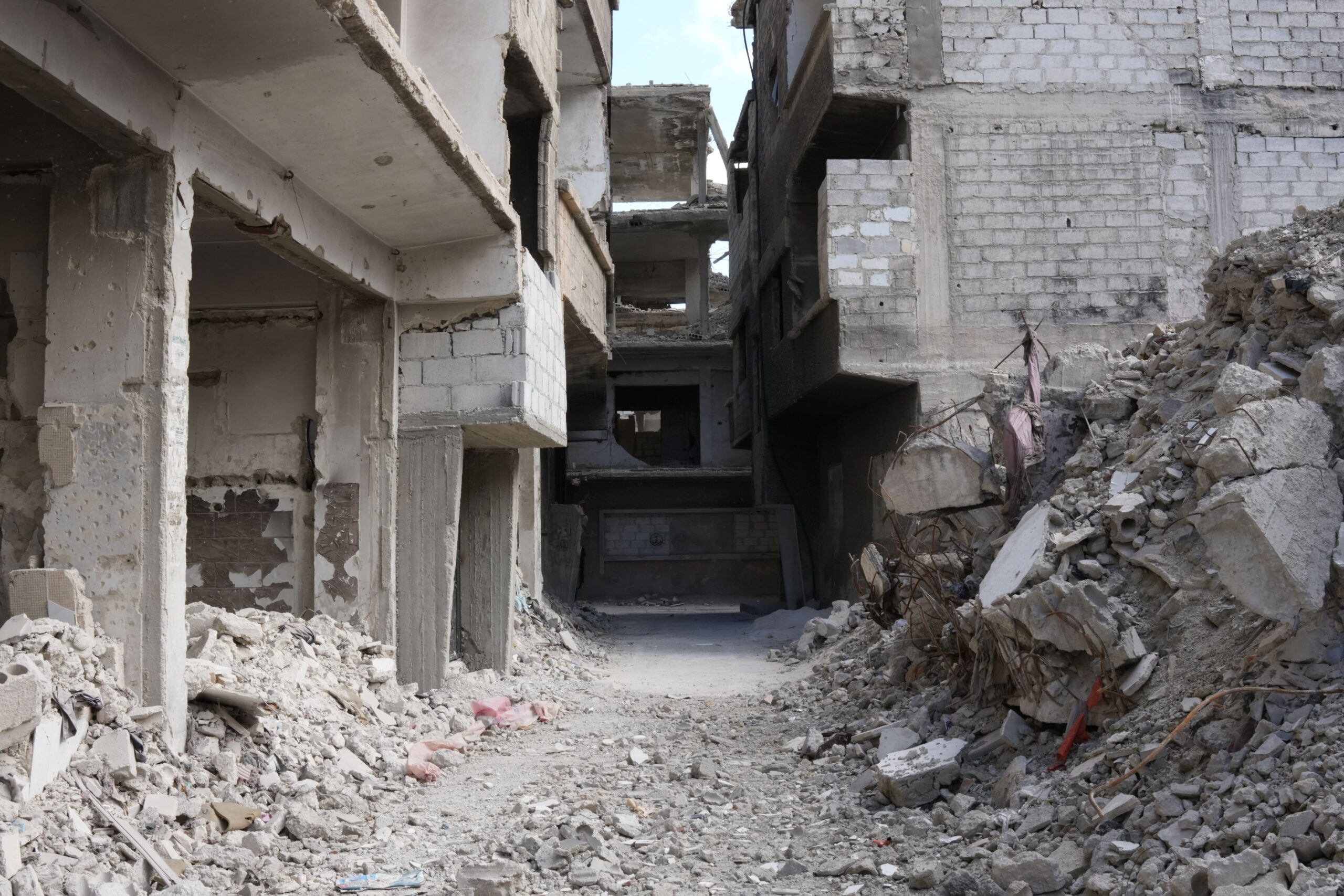
Beyond the medical facility, the strike caused widespread damage across the city. Filatov reported that 20 residential buildings were either damaged or half-destroyed. The impact also affected several public and educational institutions, including a gymnasium, a kindergarten, a music school, a library, and the “Energetik” Palace of Culture. Additionally, an outpatient clinic associated with the World Bank was damaged. Municipal services and volunteers are currently working to assess the full extent of the destruction and clear debris.

The physical footprint of the strike is extensive. More than 1,000 windows were shattered across the affected areas, with reports of doors and heating radiators being torn from their fixtures in some instances. A critical utility infrastructure component, the water intake facility, was also damaged. As a result, the “Old Part” of Prydniprovskyi district is currently without water supply, disrupting basic services for residents in that area.
The attack underscores the operational constraints and strategic implications of targeting civilian centers in Ukraine. While the specific type of missile used was not detailed in the mayor’s statement, the scale of the damage to a concentrated urban area suggests a high-yield weapon system. The targeting of a hospice, a facility explicitly designed for the care of the terminally ill, raises significant questions regarding compliance with international humanitarian law, which prohibits attacks on objects protected by medical immunity, unless and for such time as they are used to commit acts harmful to the enemy.
From a tactical and operational perspective, the strike serves not only as a military action but also as a psychological and logistical burden on the host city. The diversion of resources to emergency medical care, infrastructure repair, and humanitarian aid impacts the broader readiness and resilience of the local population. The damage to the water supply further complicates the humanitarian situation, requiring immediate logistical intervention to restore essential services.
As of the latest reports, municipal services, charitable organizations, and city officials are actively engaged in response operations. The immediate focus remains on the safe transfer of patients, the stabilization of the water supply, and the assessment of structural integrity for the damaged residential and public buildings. No further military developments or official assessments regarding the specific strategic objectives of this strike were provided in the available sources.