
The most substantial development occurred in the Cochamó district of northern Patagonia, where the coalition known as Conserva Puchegüín announced the completion of ownership registration for Fundo Puchegüín. Spanning 328,351 acres, this property is the largest land holding in the district and has been removed from the market after being listed for sale in 2022. The acquisition was funded by a fundraising campaign that raised more than $78 million, involving a partnership led by Puelo Patagonia and including The Nature Conservancy, Freyja Foundation, Patagonia, Inc., and the Wyss Foundation.
The purchase is strategically significant because it serves as the “missing link” in a 4-million-acre network of protected areas spanning Chile and Argentina. The property encompasses diverse habitats, including rivers, forests, lakes, wetlands, and glaciers, which are critical for maintaining the Puelo River watershed. According to Andrés Diez, executive director of Puelo Patagonia, the initiative prioritizes community participation and conservation science, aiming to implement a governance model that respects the local communities of Cochamó. The land supports several endangered and endemic species, including the huemul deer, the monito del monte, and the rare Darwin’s frog. By connecting these habitats, the conservationists aim to enhance ecological connectivity, allowing for gene flow and migration routes that are increasingly vital as environmental conditions shift.
While the Cochamó purchase focuses on landscape-scale protection, efforts in Patagonia National Park have concentrated on species-level restoration. In April 2026, a women-led team working with the Rewilding Chile Foundation successfully released 13 Darwin’s rheas (*Pudú pudú* is the deer, the rhea is *Pudú*… correction: *Rhea pennata darwinii*) back into the wild. The reintroduction was part of a broader mission to restore the steppe ecosystem, where the rhea plays a critical role as a seed disperser. Rangers noted that the birds are “excellent seed dispersers,” with studies of their droppings revealing a wide variety of seeds that contribute to the restoration of the steppe vegetation.
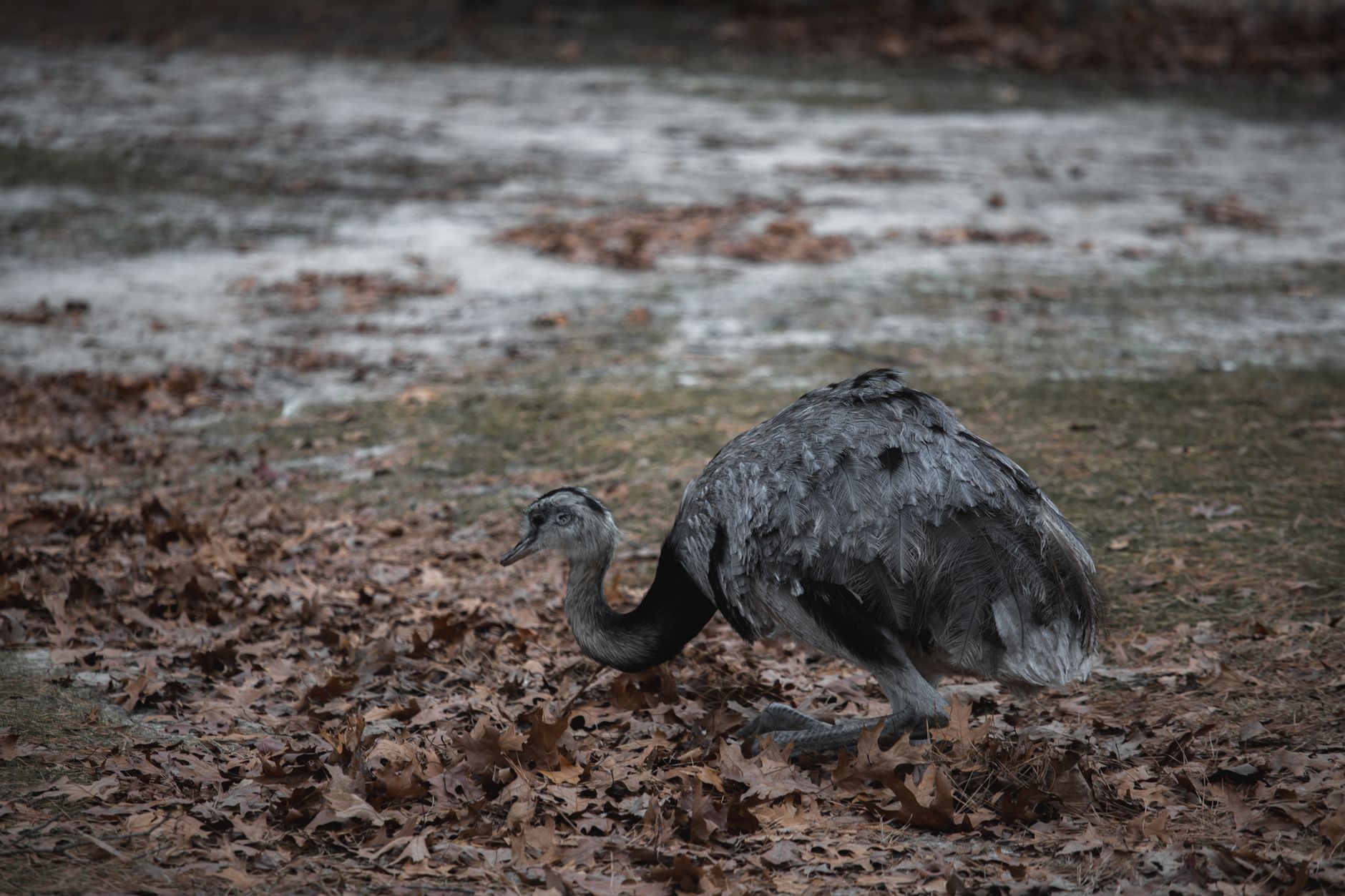
The reintroduction process required careful management of both the animals and the environment. The team, which included science teachers and students to foster education, monitored the rheas closely before release. Their primary concerns were the immediate environmental conditions on release day, particularly strong winds and drastic temperature changes in the region. To minimize stress on the birds, the team carefully managed the transport process, ensuring the animals were calm before being released near a group of guanacos, with which they share many ecological dynamics.
Post-release monitoring indicated a positive initial outcome. The rheas were observed grazing and exploring the area, moving kilometers away from the release site, which rangers considered a strong sign of successful acclimatization. However, the challenges facing these populations are not solely biological. Rangers identified illegal livestock grazing and fencing as major ongoing threats. Fences fragment the landscape, hindering the movement of both rheas and guanacos, and the legacy of over a century of ranching means that changing local practices and perceptions regarding park protection remains a gradual process.
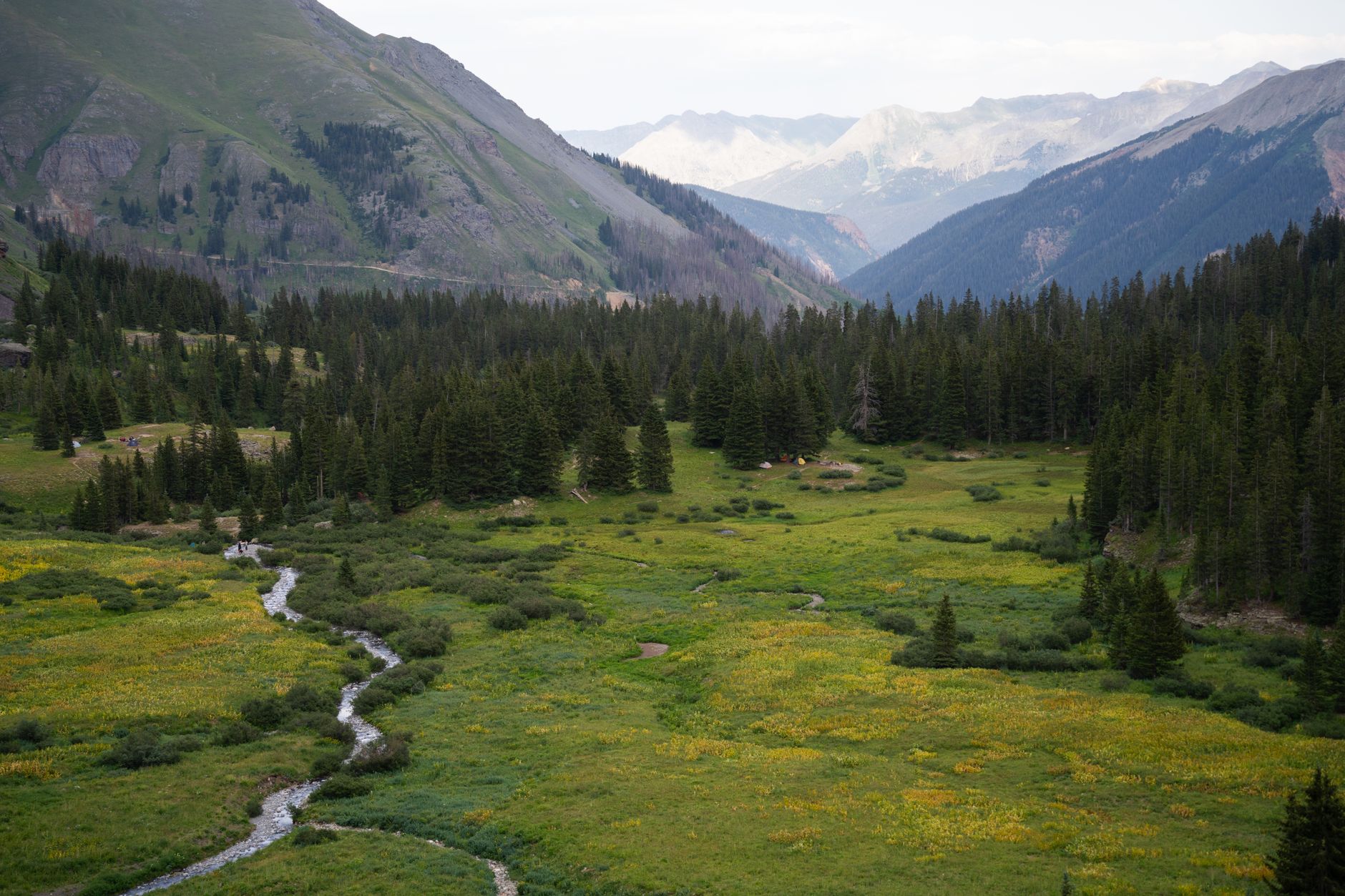
These conservation successes exist within a broader context of Patagonia’s untamed vastness. The region remains largely roadless, with thousands of miles of unmapped landscapes that have historically served as natural barriers to human habitation. From the driest desert in the north to the Drake Passage in the south, and the towering Andes to the east, these geographical features have preserved the region’s wild character. For Indigenous Mapuche people, who call central and southern Chile “Wallmapu,” these lands hold deep cultural significance, though modern conservation efforts are increasingly focused on scientific management and international collaboration.
The distinction between these two efforts—landscape protection and species reintroduction—highlights a comprehensive approach to environmental stewardship. While the purchase of Fundo Puchegüín secures the physical space necessary for biodiversity, the reintroduction of rheas demonstrates the active management required to restore functional ecosystems. Both initiatives rely on robust funding, scientific monitoring, and, crucially, the integration of local communities and Indigenous knowledge into their governance models.
Uncertainty remains regarding the long-term success of these measures. For the rheas, the impact of climate variability on food availability and predation pressures must be continuously monitored. For the Cochamó protected area, the challenge lies in enforcing protection against external pressures and ensuring that the governance model remains transparent and inclusive. As noted by conservationists, the “quiet enormity” of Patagonia is not a static state but a dynamic system that requires ongoing vigilance. The next critical steps will involve the full implementation of the management plan for Fundo Puchegüín and continued long-term monitoring of the rhea population to assess their integration into the wild steppe.