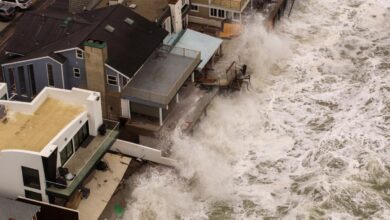
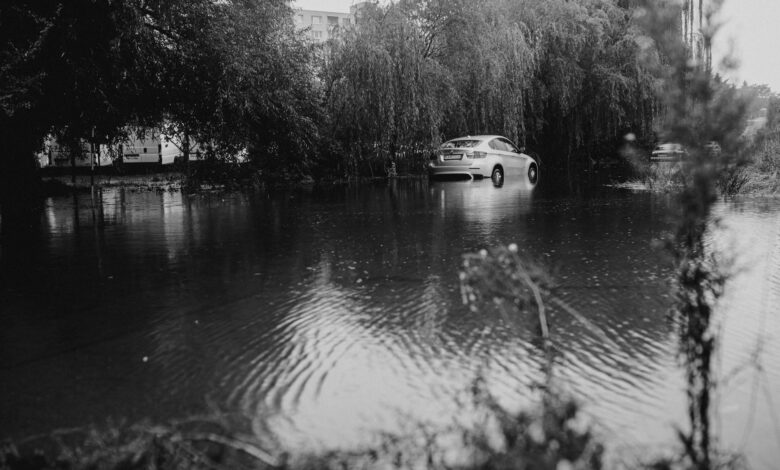
The National Weather Service (NWS) issued a flash flood warning for the area until mid-morning Thursday, describing the situation as “particularly dangerous.” The agency urged residents to “seek higher ground now” and warned of life-threatening flash flooding in low water crossings, small creeks, urban areas, highways, and underpasses. The NWS also advised drivers to “turn around, don’t drown” when encountering flooded roads, noting that most flood deaths occur in vehicles.
Georgia Governor Brian Kemp announced that the state’s emergency management agency is leading a multi-agency response using aviation and boat assets, alongside local counties and Tennessee first responders. McCaysville police chief Michael Earley stated that more than 30 people had been rescued by boats by mid-morning. “I’ve never seen flooding like this in my life,” Earley told local TV station WSMV, adding that water levels in some areas reached six to seven feet high. One local report later in the morning informally put the number of water rescues above 50.
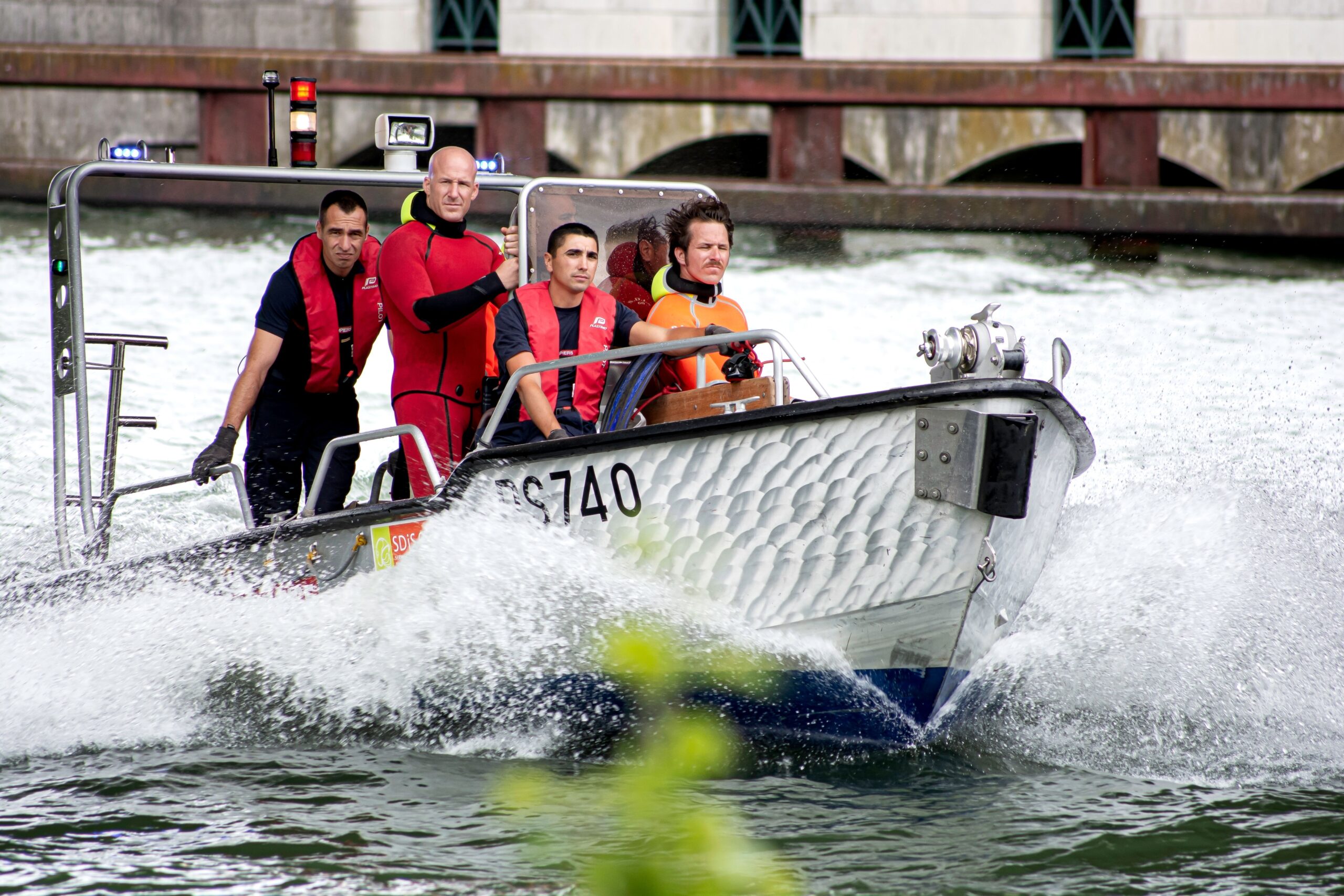
Emergency resources were strained by simultaneous incidents. Robert Poole, a Fannin County emergency management spokesperson, told WSMV that crews were stretched thin by several structure fires caused by lightning before the rain intensified. Poole confirmed a search was underway for a man trapped in a vehicle swept down a creek, with communications lost with the individual. Game wardens from the Georgia Department of Natural Resources are assisting with search-and-rescue operations in Fannin and Murray counties.
Official responses include a boil water advisory for McCaysville and evacuation warnings issued at 3am ET Thursday for some residents of Copperhill, Tennessee. Schools in Fannin and Gilmer counties were closed due to hazardous road conditions. The emergency agency cautioned on social media that the cessation of rain does not guarantee safety, warning that “floodwaters remain extremely dangerous, and conditions can continue to worsen even after the rain has stopped.”