
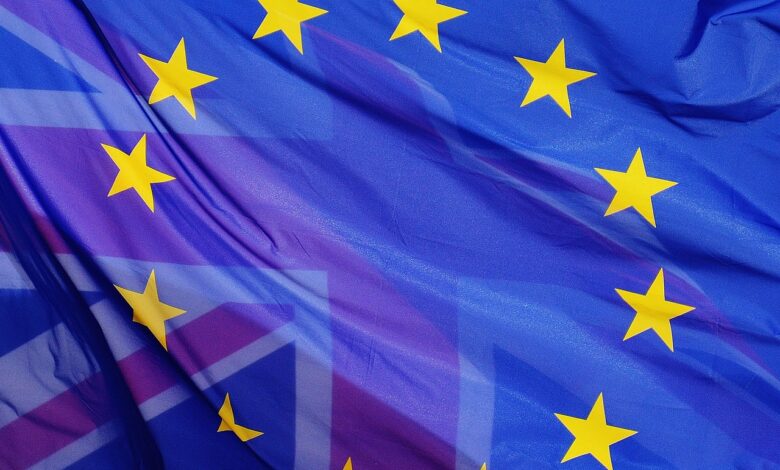
The central issue at hand is the structure of future negotiations regarding mutual security guarantees between Russia and Ukraine. President Donald Trump, who has been actively working to broker a peace deal, stated that a “big agreement” to end the war “might involve all of Europe.” However, when asked about the specific role Europe would play, Peskov noted that while European involvement is inevitable, the necessary unity is missing. “As for any ideas from the Europeans, we have not received any. We are not aware of any,” Peskov told reporters. He argued that the inability to present a unified front is a sign of “indecision and an unwillingness” to engage with Russia effectively.
This diplomatic ambiguity follows recent, albeit limited, direct contacts between Moscow and European leaders. Days prior to Peskov’s comments, Norwegian Prime Minister Jonas Gahr Støre and Finnish President Alexander Stubb held a phone call with President Vladimir Putin to discuss the ongoing talks to end the war. Both Finland and Norway explicitly stated that their leaders were speaking as representatives of their respective countries, not on behalf of Europe as a whole. Despite these clarifications, the initiative was met with sharp criticism from other European capitals. Danish Prime Minister Mette Frederiksen expressed that she was “very skeptical” of the move, asserting that she did not believe Russia seeks peace with Ukraine or Europe. In defense of the direct contact, Støre maintained that it was essential for the Russian leader to hear European views directly, rather than through intermediaries such as U.S. administration officials.
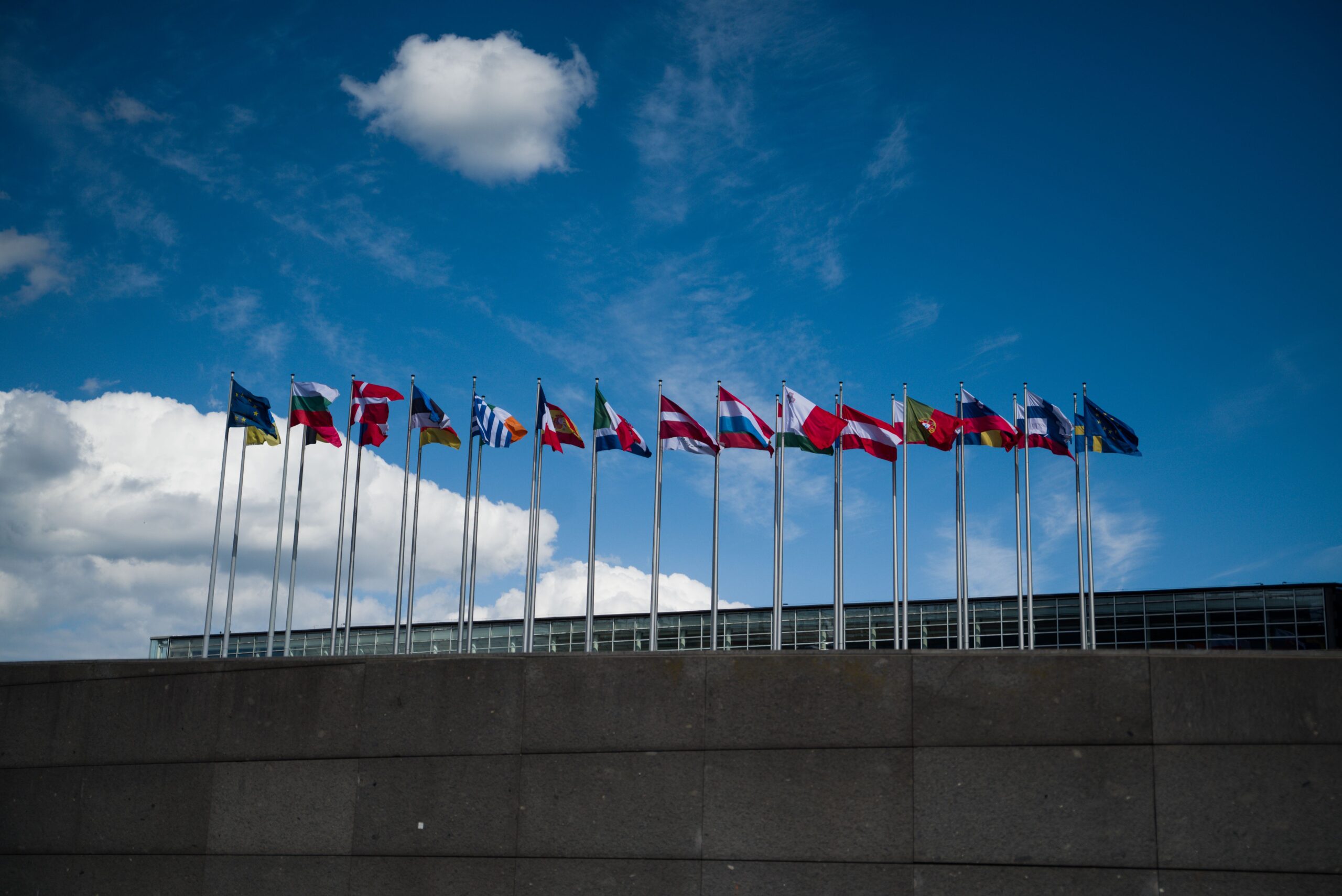
The Kremlin’s latest remarks serve to highlight the strategic dilemma facing European nations. While the Brussels meeting on Thursday represented a coordinated effort to outline security guarantees for Kyiv, the Kremlin is framing the lack of a single European voice as a structural weakness. Peskov emphasized that any discussion on a future European security system would inevitably turn to mutual guarantees between Russia and Ukraine. “It will of course be impossible to do this without the Europeans at some stage,” he added, suggesting that Moscow expects Europe to take a more defined, unified position before substantive negotiations can proceed on these specific terms.
The divergence in approach among European leaders complicates the diplomatic landscape. The U.S. is currently positioned as the primary broker, with Trump’s administration facilitating the framework for a potential settlement. However, as the focus shifts from ceasefire mechanics to long-term security architecture, the vacuum in European diplomatic consensus becomes more pronounced. The Kremlin is leveraging this fragmentation to question the readiness of European states to engage in high-level security dialogues, pointing to the absence of a designated representative as evidence of a broader hesitation to commit to the terms of a post-war order.
For European policymakers, the challenge is twofold: maintaining unity in their support for Ukraine’s security while navigating the direct diplomatic channels that some leaders, like Støre and Stubb, have opened with Moscow. The criticism from Denmark and the Kremlin’s public dismissal of Europe’s current diplomatic posture suggest that the path to a unified European voice is fraught with internal disagreement. As the Brussels meeting set the stage for broader security discussions, the Kremlin’s assertion that Europe is struggling to decide who will represent it remains a significant hurdle in the broader effort to secure a lasting peace.



2 Comments