The declaration followed a day of high-stakes diplomatic activity at the White House, where First Lady Melania Trump hosted officials from both Russia and Ukraine. The event marked a notable shift in the administration’s engagement strategy, bringing representatives from the warring sides under one roof. During a joint press conference, Melania Trump urged the two sides to “find common ground” and declared that a permanent ceasefire was the necessary next step. Her involvement, according to the White House, was pivotal in facilitating arrangements aimed at reuniting children with their families, a humanitarian effort that Trump said contributed to a specific localised ceasefire arrangement in the Oleshky region.
The economic and geopolitical implications of these talks are being closely monitored by markets and policymakers alike. Trump’s comments suggest a broader restructuring of security and trade dynamics in Europe, a notion that has triggered immediate scrutiny from European capitals. While the US President framed the situation as being “very close to being settled,” the immediate economic consequences remain undefined, pending the formalization of any such agreement.

The diplomatic push is part of a wider multilateral effort. US Special Envoy Steve Witkoff stated that Washington hopes to build on progress made in recent meetings held in Kyiv, Oslo, and Saint Petersburg to reach a “comprehensive and lasting peace agreement” that “guarantees security for future generations.” These efforts follow a series of trilateral consultations: a third meeting between EU, US, and Ukrainian officials took place in Brussels on Wednesday and Thursday, following earlier talks in Miami on October 9 and in Oslo on October 20. The next scheduled round of talks between the United States, Russia, and Ukraine is planned for November 10 and 11 in Abu Dhabi, where the US will mediate new technical discussions between Ukraine and Russia.
However, a significant divergence in policy stance exists between the White House and the European Union. While Trump touts the potential for a continent-wide deal, EU diplomats have been unequivocal in their economic posture. In response to inquiries about the shifting diplomatic landscape, EU officials stated there is no plan to resume buying Russian gas. One diplomat explicitly noted, “We don’t see any rationale at the moment to ease sanctions or restrictions on Russia.” This refusal to link economic relief to diplomatic progress indicates that the EU is decoupling its trade policies from the immediate outcomes of the US-Russia negotiations, at least for now.
The human cost of the conflict remains a central variable in these negotiations. Trump cited the staggering losses on both sides, stating, “They’re losing between the two of them, they’re losing 25,000 people to death, 25,000 people a month.” This statistic underscores the urgency driving the push for a ceasefire. The localised truce in Oleshky serves as a tangible, if limited, example of the humanitarian outcomes the administration is seeking to replicate on a larger scale. Reports indicate that this temporary truce allowed nearly 800 people to be evacuated from the area, a specific metric that the White House is likely to highlight as proof of the ceasefire mechanism’s viability.
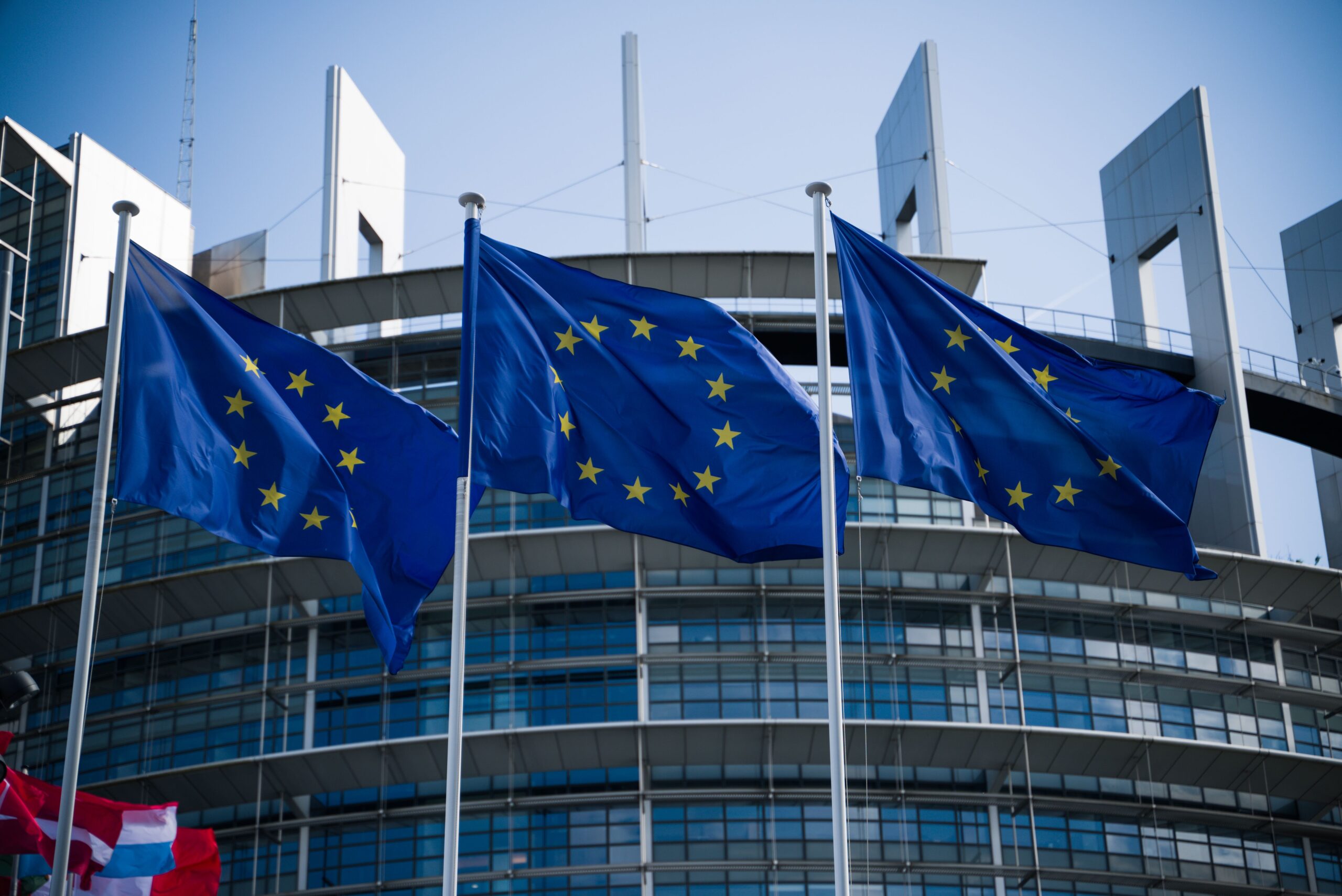
Market observers and political analysts are left to parse the gap between the President’s confident rhetoric and the measured caution of European partners. The framing of the news varies across international outlets, reflecting different regional concerns. For instance, coverage has highlighted fears among some observers that the US is pivoting towards Moscow, while others emphasize the EU’s steadfast refusal to compromise on sanctions. This narrative split suggests that while the US may be moving toward a deal, the economic architecture of Europe—particularly regarding energy security and sanctions enforcement—remains a point of contention.
The upcoming talks in Abu Dhabi on November 10 and 11 will be the critical test for these assertions. If the “comprehensive agreement” Trump envisions materializes, it could reshape the security landscape of Europe, potentially influencing defense spending, energy flows, and trade routes across the continent. However, until the terms are defined and the EU’s economic stance shifts, the economic impact remains speculative. For now, the focus remains on whether the humanitarian breakthroughs in places like Oleshky can be scaled into a permanent cessation of hostilities, a transition that will determine whether the predicted “big deal” delivers stability or merely a temporary pause in a larger economic and geopolitical struggle.