
This technical financing issue is inextricably linked to the broader military and economic strategy discussed at the wider G7 session on November 10. Ukrainian Foreign Minister Andriy Sybiha is scheduled to attend the dedicated session on supporting Ukraine, which takes place at the end of the first half of the day. The meeting occurs against a backdrop of what French officials describe as a stabilization of the front line, but a simultaneous intensification of Russian strikes on Ukrainian cities. The primary concern driving the agenda is not merely the immediate military threat, but the economic and humanitarian consequences of targeting critical infrastructure. French sources indicate that Russia is attempting to alter its tactical approach by focusing specifically on energy objects and critical infrastructure. The stated objective of this strategy, according to these assessments, is to achieve a “blackout” or serious energy collapse in Ukraine by the end of the year, or at least throughout the winter months.
The economic implications of such a collapse are severe, extending beyond immediate power outages to the stability of the national economy. Energy infrastructure is the backbone of industrial production, heating, and daily commerce. A systematic disruption of this network would impose significant costs on businesses and households, potentially disrupting supply chains and increasing the burden on the public sector to manage emergency response and social safety nets. In this context, the G7’s role is framed as essential not only for military survival but for economic continuity. The agenda explicitly includes three pillars of support: air defense, financial assistance, and energy aid. By reinforcing air defense capabilities, the coalition aims to mitigate the physical destruction of energy assets. Financial and energy aid, meanwhile, provides the resources necessary for rapid repair and reconstruction, ensuring that even if infrastructure is damaged, the economic system can function.
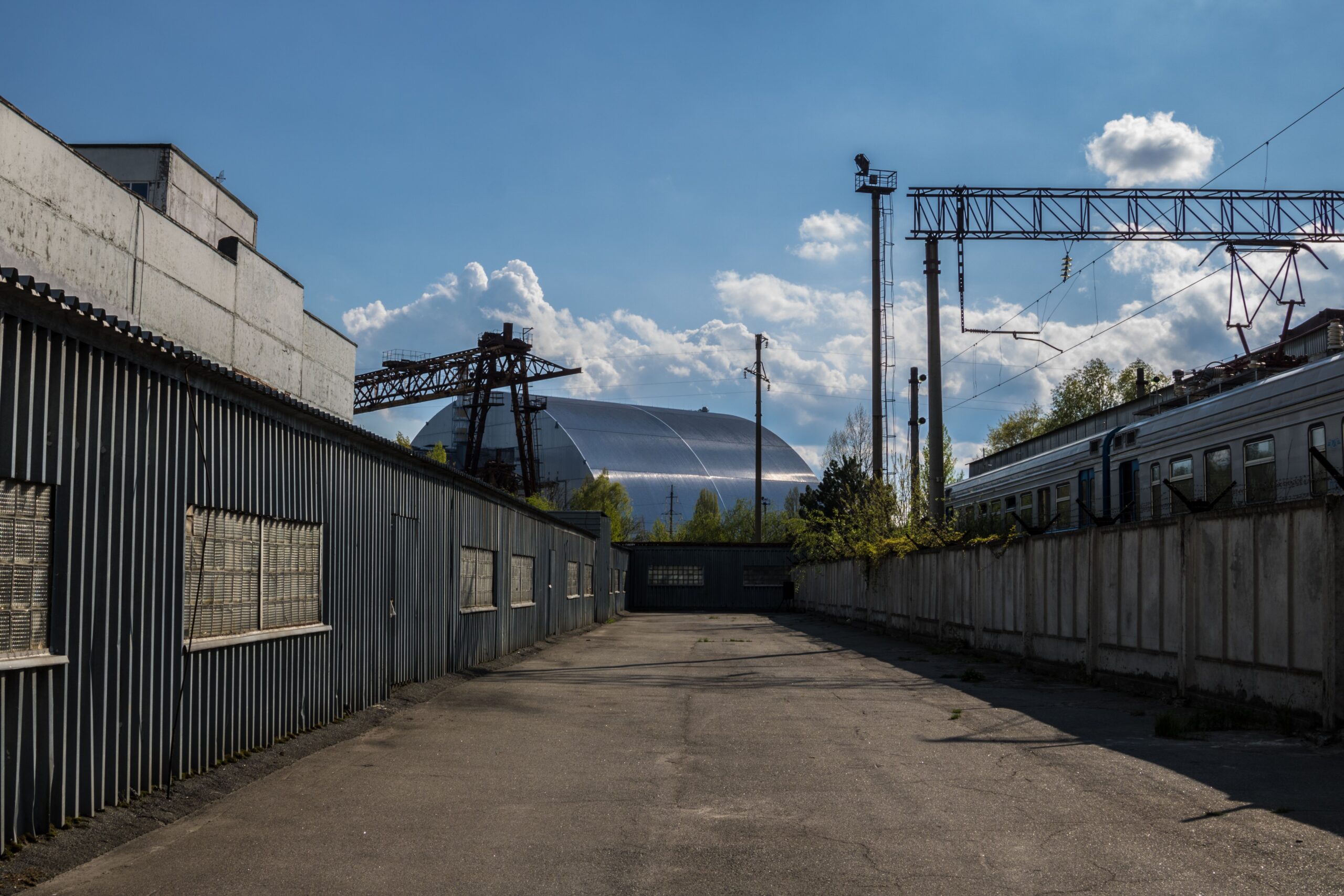
The distinction between observed outcomes and strategic intent is clear in the available reporting. The damage to the Chernobyl sarcophagus is a documented physical fact, as is the €500 million price tag for its emergency repair. However, the claim that Russia is seeking an energy collapse is an interpretation of their tactical shifts, supported by the observed pattern of attacks on energy targets. The G7’s response is a policy decision aimed at countering this perceived intent. The inclusion of other nations in specific sessions—such as Brazil, South Korea, Egypt, and Saudi Arabia—suggests an effort to broaden the coalition of support beyond the traditional Western bloc, potentially signaling a wider international consensus on the necessity of maintaining Ukraine’s infrastructure.
The urgency of the situation is underscored by the timeline. With winter approaching, the margin for error in energy supply shrinks. The €260 million already committed by the G7 in October is a substantial sum, but it leaves a deficit of roughly €240 million for the EBRD’s emergency repair plan. The Paris conference serves as a mechanism to mobilize the remaining funds. For the EBRD, this is not just a charitable cause but a matter of global safety, given the potential environmental and economic fallout from a failure at Chernobyl. The bank’s assessment of the funding need provides a concrete baseline for the negotiations. The success of the meeting will be measured not just by political statements, but by the tangible financial commitments secured for the repair of the New Safe Confinement.
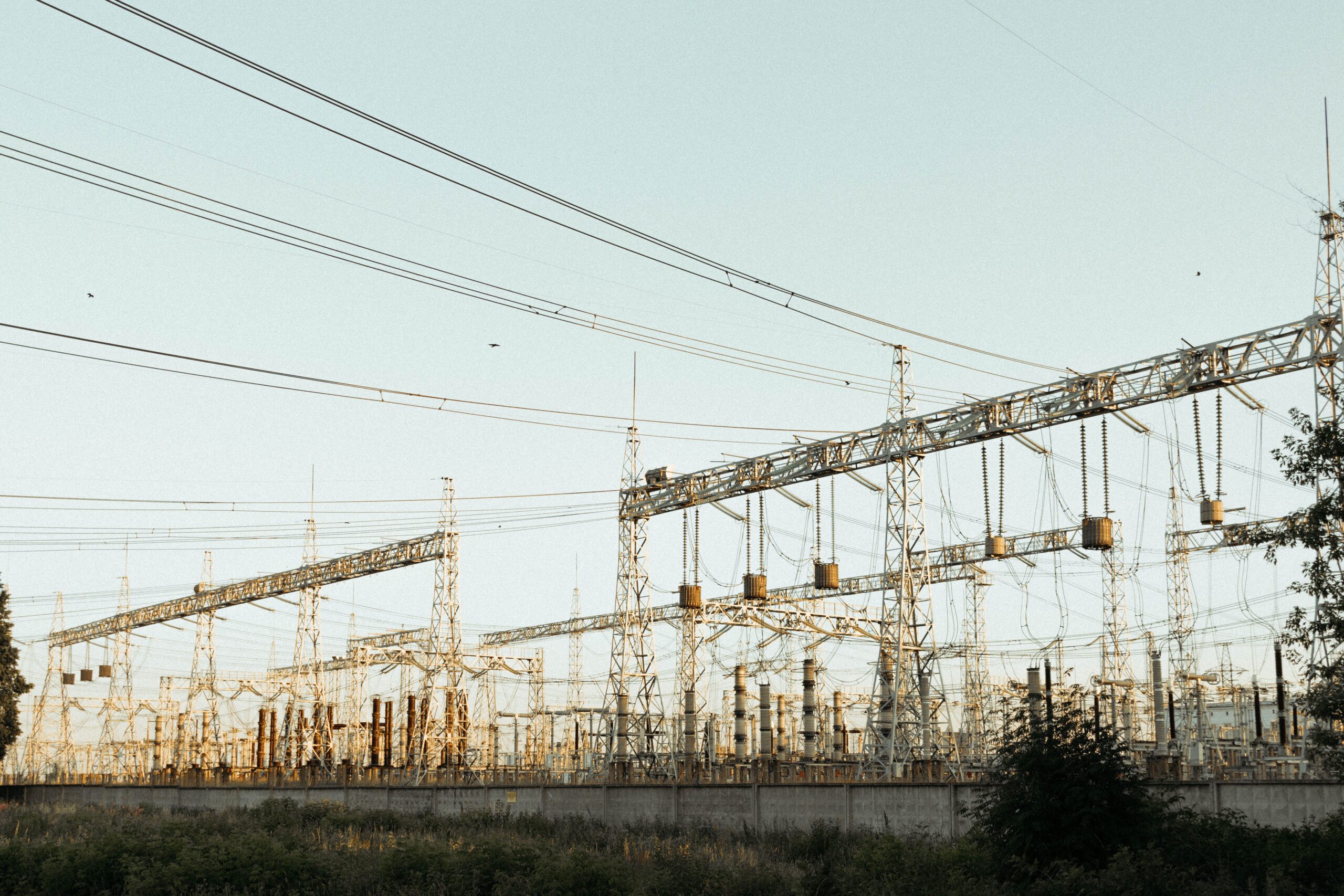
Beyond Chernobyl, the energy crisis in Ukraine represents a test of resilience for the entire European energy landscape. While the immediate focus is on Ukraine, the stability of its grid has ripple effects on regional energy markets. A prolonged blackout or significant degradation of Ukrainian energy assets could complicate energy security planning in neighboring countries. The G7’s emphasis on energy aid is thus both a humanitarian imperative and a strategic economic measure. By supporting Ukraine’s ability to generate and transmit power, the coalition is also protecting the broader stability of the region’s energy infrastructure. The integration of air defense and energy support into a single diplomatic framework reflects an understanding that modern warfare and economic stability are deeply interconnected. Attacks on power plants are not just military strikes; they are economic weapons designed to weaken the adversary’s capacity to sustain its society and economy.
The outcome of the November 10 session will likely set the tone for further international support in the coming months. If the G7 can successfully close the funding gap for the Chernobyl repairs and commit to sustained energy and air defense support, it will demonstrate a unified front against the strategic erosion of Ukraine’s critical infrastructure. Conversely, any hesitation or shortfall in funding could signal vulnerabilities that may be exploited by further attacks. The participation of Foreign Minister Sybiha ensures that Ukraine’s direct needs and assessments are central to the discussions, rather than being filtered solely through intermediaries. This direct engagement is crucial for aligning the aid packages with the most pressing on-the-ground requirements. The focus on specific, measurable goals—such as the €500 million repair fund—provides a clear benchmark for success, moving the conversation from abstract solidarity to concrete financial and logistical action. As the ministers conclude their sessions, the immediate task is to transform these political commitments into operational reality, ensuring that the lights stay on and the containment remains secure through the winter.