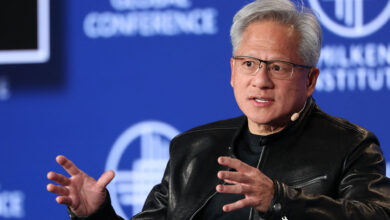
Prime Minister Giorgia Meloni expressed solidarity with Tajani, explicitly blaming pro-Russian hackers for the leak. Meloni characterized the attempts to sell confidential information about government officials as a matter of “grave concern that must be addressed with the utmost determination.” Tajani identified his country’s position on Ukraine as the political motivation for the targeting, stating that defending the freedom and independence of sovereign states is viewed as a threat by these criminal entities. He also suggested the cyberattacks may be a reaction to the Italian government’s recent efforts to strengthen the Foreign Ministry’s digital defences.
Tajani did not specify the exact nature of the personal data exposed but confirmed that the cyberthreat remains ongoing. He emphasized that the Foreign Ministry is treating the situation seriously and is coordinating its response with allied countries. The minister asserted that he will not be intimidated by the actions of the cybercriminals. This incident occurs against a backdrop of recent security disruptions across Europe, including a spate of hoax bomb threats that have caused flight diversions and security alerts at broadcasters, as well as attacks on supermarket refrigeration systems.
The leak highlights the increasing risks faced by high-ranking European diplomatic officials amid ongoing geopolitical tensions. While the Italian government is currently coordinating with international partners, no specific timeline for the cessation of the data leaks has been provided. The situation underscores the vulnerability of personal data for political figures who hold strong positions on international conflicts, particularly regarding support for Ukraine.