
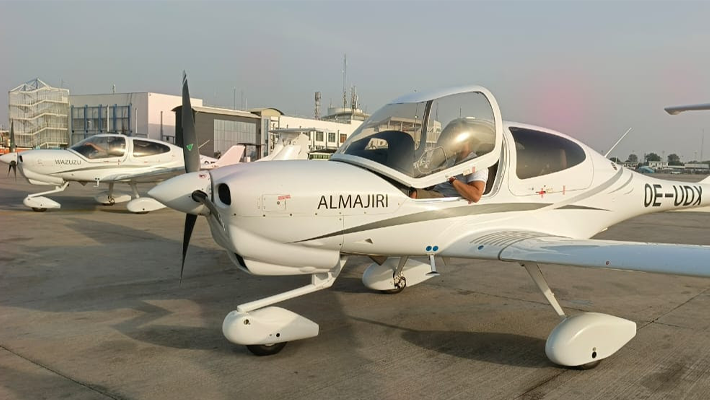
The acquisition is part of a broader strategy to address manpower deficits in Nigeria’s aviation industry. According to Mr. Baba-Ahmed, the institution aims to train at least 600 professionals in specialized fields, including pilot training, air traffic control, and air rescue and firefighting. This initiative is subject to approval by relevant regulatory bodies and operates in conjunction with the university’s existing approved degree programs. The Pro-Chancellor stated that the quality of graduates from Baze University is already recognized domestically and across Europe, the United States, and selected African countries, positioning the new facility to “uplift the integrity of Nigeria across the world.”
The political and institutional significance of this development lies in the scale of private investment in critical national infrastructure. Mr. Baba-Ahmed noted that it is significant for a privately owned institution to undertake a project of this magnitude, describing the proposed aerodrome as a major national infrastructure component. He emphasized that the institution intends to deliver an aerodrome hub measuring 1,800 meters by 30 meters, plus an additional 15-meter shoulder, located at the heart of Abuja. This infrastructure is designed to allow the nation to “command and control geography,” linking aviation capacity with other national assets such as agricultural potential, solid minerals, and oil and gas.
The development has received support from key federal agencies, including the Federal Ministry of Aviation and Aerospace Development, the Nigerian Civil Aviation Authority (NCAA), and the Nigerian Airspace Management Agency (NAMA). Air Vice Marshal Aliyu Bello (retd), the Coordinator of the Aviation School, explained that the acquired aircraft will be used for practical flight training, providing students with hands-on experience alongside ground-school instruction. He confirmed that construction on the dedicated aviation facility in Bwari, Federal Capital Territory, has reached approximately 50 percent completion since January.
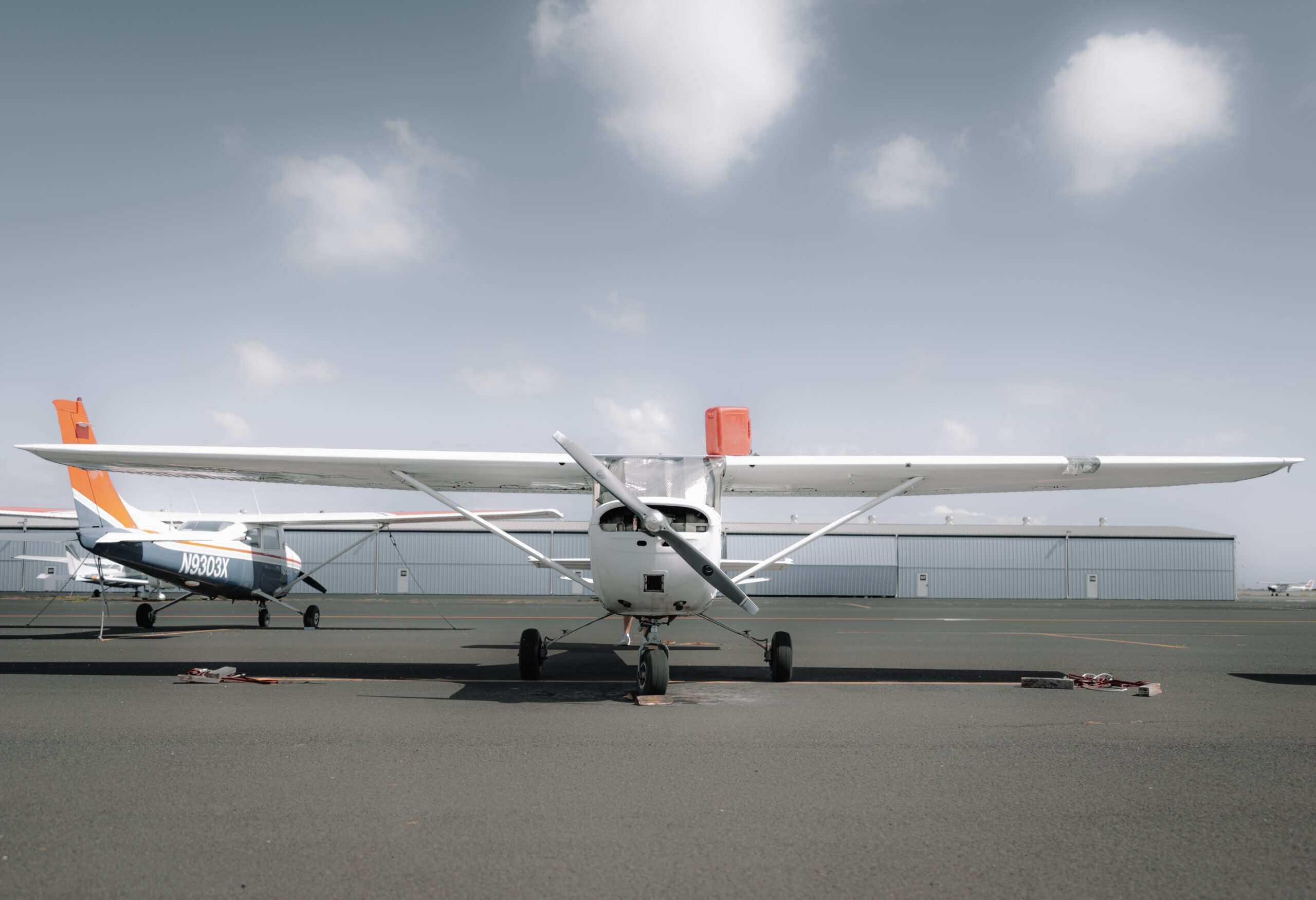
The facility is being developed on a site in Bwari, with sources citing the land expanse as either 88 or 92 hectares. The planned infrastructure includes a dedicated runway, a hangar, a terminal building, laboratories, and simulation centers. While the physical aviation school is under construction in Bwari, the academic arm of the initiative has received formal regulatory approval from the National Universities Commission (NUC).
In a letter dated 16 October 2026, signed by Dr. Ayuba Mohammed, Acting Director of Academic Planning at the NUC, the commission authorized two new full-time undergraduate programs: Aviation Management and Aerospace Engineering. These programs are approved for the 2026/2027 academic session and will operate at the university’s main campus in Abuja, distinct from the specialized training facility in Bwari. Aviation Management is domiciled under the Faculty of Management and Social Sciences, while Aerospace Engineering is placed within the Faculty of Engineering.
The NUC’s approval followed a resource verification exercise conducted by a panel of experts who assessed the human and material resources available for the proposed programs, including an inspection of the Aviation School. The NUC Executive Secretary, Professor Abdullahi Yusuf Ribadu, subsequently approved the programs based on the panel’s report. This regulatory endorsement provides the academic framework for the practical training being prepared in Bwari, creating a complementary ecosystem where theoretical education at the main campus supports the technical training at the aviation hub.
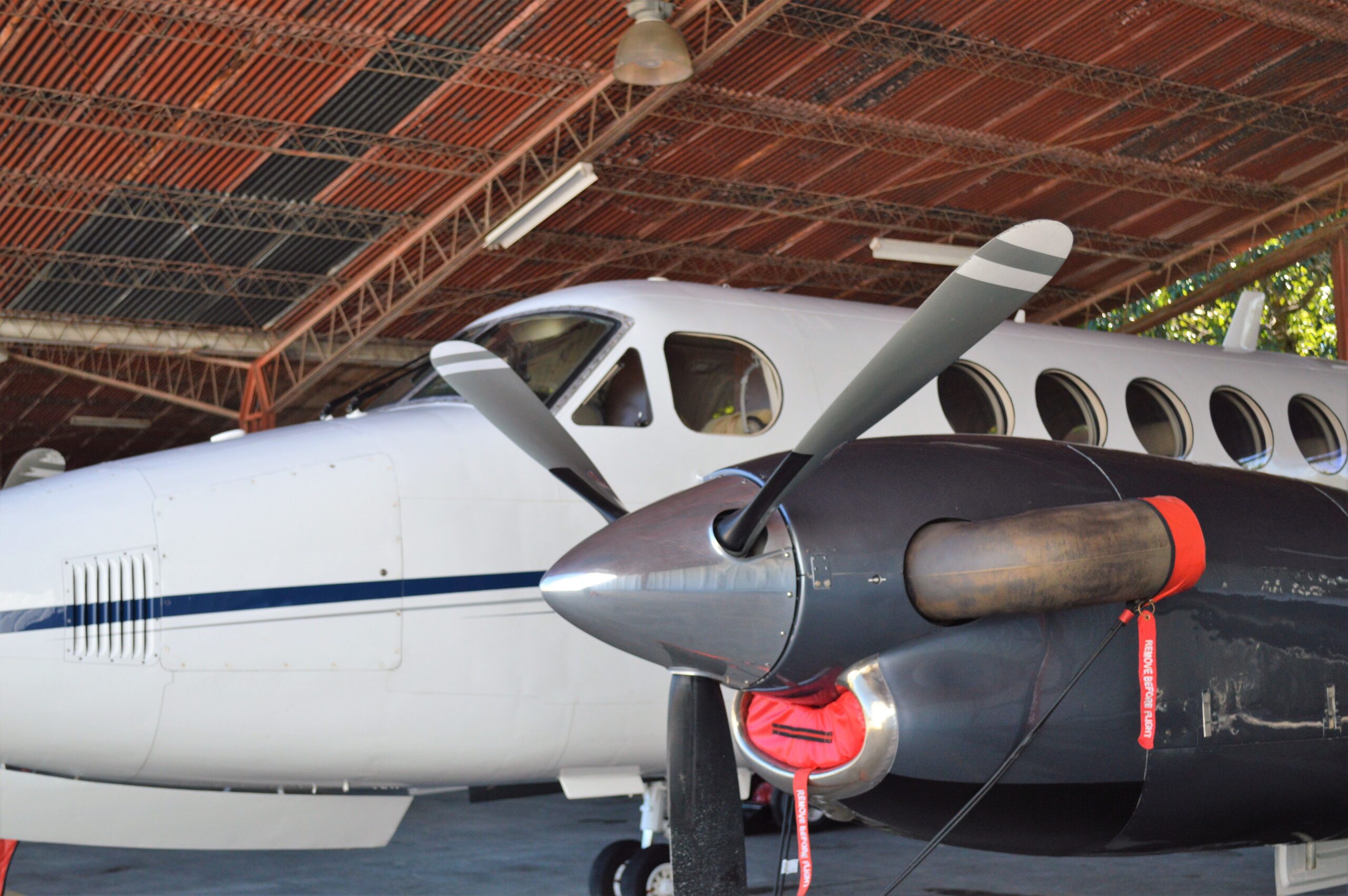
Mr. Baba-Ahmed framed the initiative as a response to the need for a new generation of aviation professionals capable of strengthening the country’s manpower base and enhancing its position in the global aviation industry. By combining practical flight training with accredited degree programs, the university seeks to produce a holistic workforce. The project represents a shift toward private-sector-led capacity building in a sector traditionally dominated by state institutions, aiming to boost national development through specialized human capital.
As the construction in Bwari progresses and the new academic programs prepare to launch in 2026/2027, the focus now turns to the regulatory approvals required for the specific training modules in air traffic control and rescue operations. The arrival of the Diamond DA40s marks the beginning of this process, with the first cohort of students set to receive hands-on instruction on the newly developed aerodrome.