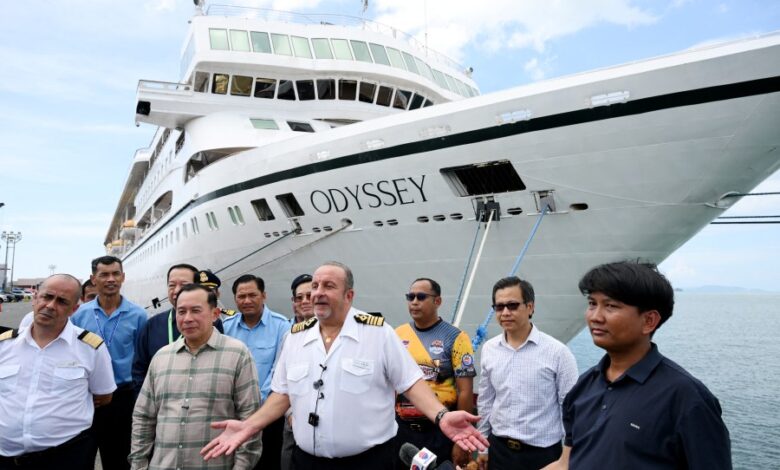
The central economic development here is the dramatic spike in per-unit operational costs associated with maintaining a stationary or restricted vessel. Villa Vie, the entity associated with the vessel, stated that the monthly fuel cost per cabin jumped from about $1,800 to as much as $8,000. This represents a fourfold increase in expenditure for a single metric, shifting the cost burden from a manageable subscription-like fee to an acute financial liability for each household aboard.
This change in the trading and operational environment is driven by the vessel’s impounded status. While the specific legal or geopolitical reasons for the impoundment are detailed in the source records, the economic effect is direct and measurable. The data provided by Villa Vie isolates fuel as the primary driver of this cost inflation. In a normal operational cruise, fuel costs are distributed across the logistics of movement, maintenance, and hospitality. However, in the case of the Odyssey, the impoundment appears to have concentrated these costs, likely due to the need to maintain engine systems, auxiliary power, or specific fueling requirements mandated during detention, all of which are now being amortized against a fixed number of cabins rather than a larger revenue-generating operation.
The affected parties are primarily the individual households occupying the cabins on the Odyssey. For these residents, the $1,800 baseline was likely a budgeted line item, akin to a high-end utility bill or membership fee. The jump to $8,000 per month per cabin places a significant pressure on household budgets, potentially exceeding the disposable income of many participants in this niche market. This shift forces a reconsideration of the viability of the “forever cruise” model under conditions of regulatory detention. The industries affected include luxury maritime hospitality and the specific financial services that facilitate these long-term residency arrangements.
The available data is limited to the fuel cost metric provided by Villa Vie, but it serves as a proxy for broader operational inefficiencies. The baseline of $1,800 per cabin per month suggests a highly optimized cost structure when the vessel is operating as intended. The new figure of up to $8,000 indicates that the costs of maintenance or compliance during the impoundment are disproportionately high relative to the vessel’s revenue-generating capacity in its current state. This suggests that the “forever cruise” model is vulnerable to external shocks that halt regular operations, as the fixed costs of keeping the vessel afloat and compliant do not decrease when the vessel cannot generate typical tourism or port fees.
Businesses and consumers are responding to this change by facing a immediate financial deficit. Villa Vie, representing the operational side, is documenting these increased costs, presumably to justify price adjustments or to highlight the financial impact of the impoundment. For the consumers, the response is constrained by the physical reality of being on board; they cannot easily switch providers or cancel the arrangement without incurring other penalties. The market force driving this change is the legal and regulatory status of the vessel, which has severed the link between operational cost and service delivery, causing costs to rise while the value proposition to the passenger remains static or diminished.
Credible uncertainties remain regarding the duration of the impoundment and whether these costs will be sustained or if they represent a temporary spike. The source material does not provide information on whether the $8,000 figure is a one-time adjustment or a recurring monthly charge for the duration of the detention. Furthermore, there is no data on how other aspects of the cruise experience, such as food, entertainment, or maintenance, have been affected by the impoundment, leaving the full scope of the financial impact partially obscured. The disagreement or lack of consensus lies in the interpretation of how sustainable this cost structure is for the long-term residents of the vessel.
In the near term, the development signals a precarious economic balance for participants in the forever cruise sector. The $8,000 monthly fuel cost per cabin is a clear indicator that the financial model is under stress. If the impoundment continues, the cumulative cost could quickly outstrip the assets or income of the residents, leading to potential legal disputes or forced departures. The market may see a contraction in demand for such high-risk, high-reward residency models, as potential buyers become aware of the vulnerability to geopolitical and regulatory interventions.
Returning to the specific case of the Odyssey in Singapore, the impoundment serves as a stark example of how macro-level legal and geopolitical decisions translate into micro-level financial shocks for individuals. The next critical pressure point to watch is the resolution of the impoundment status. Until the vessel’s legal standing is clarified, the $8,000 monthly fuel cost remains a documented reality, illustrating the fragility of the “forever cruise” economy when it encounters the rigid borders of international maritime law.