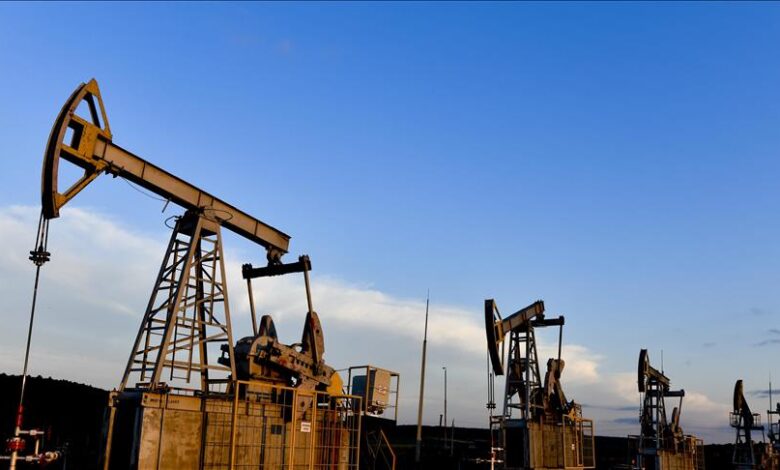
For months, the price of crude carried a significant “war premium,” reflecting the market’s assessment of the probability of conflict disrupting flows from the Persian Gulf. As tensions between Washington and Tehran appear to be easing, investors have begun to unwind positions that were hedged against a potential escalation. The result is a swift correction in prices, bringing Brent closer to levels seen prior to the most intense period of diplomatic friction. This retreat highlights the elasticity of oil markets to geopolitical news, where a change in perceived risk can outweigh incremental changes in physical supply and demand balances.
The technical structure of this price movement reveals a market reacting to the removal of a supply constraint that was largely speculative rather than physical. While no barrels have been physically lost or diverted due to the tensions, the fear of potential disruption to shipping lanes, such as the Strait of Hormuz, had tightened the perceived available supply. With the prospect of imminent conflict receding, the market is recalibrating. The drop below $90 indicates that traders are no longer pricing in a high probability of a major supply shock in the near term. This adjustment is crucial for refining margins and downstream planning, as sustained prices above $90 can exert pressure on industrial consumers and potentially accelerate the shift toward alternative energy sources or demand destruction in price-sensitive sectors.

However, the current price level does not signal a permanent resolution of underlying structural issues in the global oil market. The easing of US-Iran tensions addresses one variable in a complex equation that also includes Organization of the Petroleum Exporting Countries (OPEC+) production discipline, global economic growth forecasts, and inventory levels. While the geopolitical premium is shrinking, the baseline price remains supported by disciplined output from major producers who are keen to maintain fiscal stability. Consequently, the drop below $90 should be viewed as a correction of sentiment rather than a collapse of the market structure. The industry remains aware that diplomatic relations can deteriorate rapidly, and the “option value” of higher prices may return if negotiations stall or new conflicts emerge.
The impact of this price movement is being felt across the value chain. For producers, particularly those in high-cost basins, the drop from the recent peak offers some relief regarding capital expenditure and investment decisions, though it also reduces immediate revenue projections. For consumers and industrial users, the lower price point eases inflationary pressures associated with energy costs, potentially providing a modest boost to broader economic activity. Grid operators and utilities, while less directly impacted by crude prices, benefit from lower fuel costs for gas-fired generation, which can influence electricity pricing in regions where natural gas is a marginal fuel.
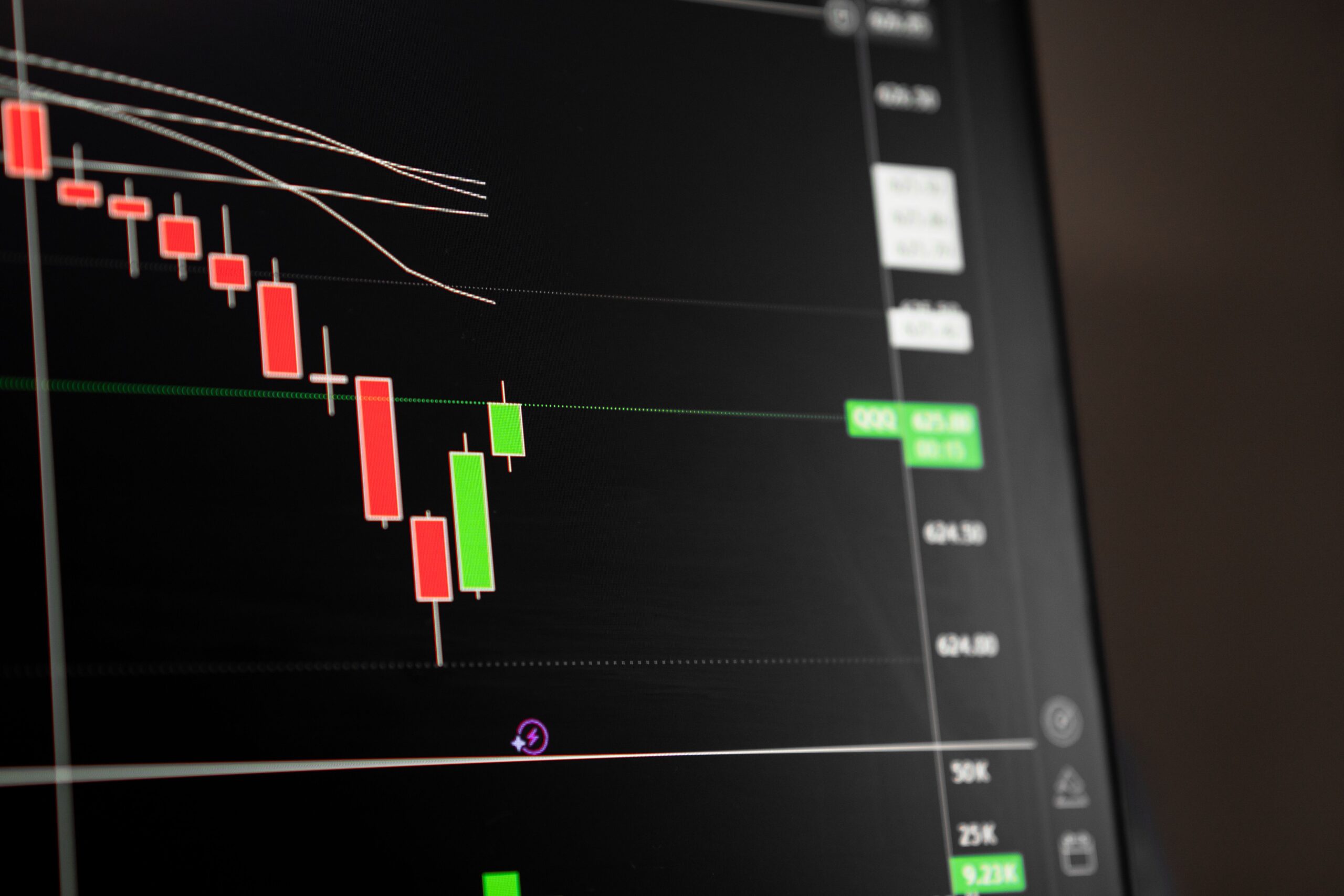
Uncertainties remain regarding the durability of this easing. Market analysts note that while the immediate threat of conflict has diminished, the long-term strategic posture between the two nations remains unresolved. The oil market is currently in a state of flux, balancing the relief of de-escalation against the persistent structural supply constraints. The next few weeks will likely see continued volatility as traders assess the credibility of diplomatic efforts and monitor any signs of renewed friction. Until a stable equilibrium is established, prices are likely to remain sensitive to headline news, with the $90 level serving as a key reference point for both upside and downside scenarios.
As the market digests the latest developments, the focus shifts back to the fundamental drivers of supply and demand. The initial shock of geopolitical risk has been absorbed, leaving a market that is more calibrated to physical realities. The retreat of Brent below $90 is a testament to the market’s efficiency in pricing risk, but it also serves as a reminder of how quickly energy economics can shift with the tides of international politics. The path forward will be determined by the intersection of diplomatic progress and the continued adherence to production discipline by major oil-producing nations.