

The distinction between temporary price relief and structural supply stability is critical in the current market environment. Stratas Advisors emphasizes that “peace talks” stalling implies that the foundational risks to supply chains have not been mitigated, merely paused. In energy markets, a pause in geopolitical tension does not equate to a restoration of baseline production levels or inventory buffers. Until supplies return to “normal” levels—defined by historical baselines of production, refining throughput, and export flows—the market remains exposed to abrupt volatility. A single escalation in the unresolved strategic disputes could rapidly erase the recent price easing, as the physical supply side lacks the elasticity to absorb sudden shocks.
This market fragility exists against a backdrop of evolving operational strategies within the major integrated oil majors. Kyle Koontz, CEO of BP Exploration (BPX), provided insights into how the company’s shale operations are influencing broader corporate strategy. Koontz noted that the rapid drilling cycles characteristic of shale operations allow the company to test new technologies and lower operational costs. More significantly, he highlighted the transfer of operating lessons across BP’s global portfolio.
The rapidity of shale drilling cycles—often measured in days rather than months—serves as a crucible for efficiency improvements. In conventional oil and gas operations, which may take years to bring online, the feedback loop for operational optimization is slow. In contrast, the iterative nature of shale drilling allows for immediate assessment of technology performance and cost structures. Koontz’s comments suggest that BP is leveraging this agility to refine its operational playbook, potentially applying these cost-reduction and technological testing methodologies to other parts of its business. This operational efficiency is a key competitive advantage in a market where margins can be squeezed by both geopolitical risk premiums and lower commodity prices.

However, the operational efficiencies cited by BPX leadership do not immediately translate into a relief for the broader supply constraints identified by Stratas Advisors. While individual companies may lower their per-barrel costs through technological innovation and operational discipline, the macro-level issue of “abnormal” supply levels persists. The market is currently assessing two divergent trajectories: the micro-level improvement in production efficiency and cost management by major players, and the macro-level risk of supply disruption due to unresolved geopolitical factors.
Investors and market participants must distinguish between these two dynamics. The easing in crude prices reflects a sentiment shift regarding the probability of immediate conflict escalation, but it does not reflect a fundamental change in the physical supply-demand balance. Stratas Advisors’ warning that the “next move could be abrupt” underscores the lack of a safety buffer in the system. If the strategic disputes remain unresolved, the market cannot assume that the current price softening is sustainable. The supply side remains constrained, meaning that any negative news flow regarding the peace process could lead to a rapid repricing of risk.
Conversely, the operational insights from BPX highlight the resilience of the shale sector, which has become a critical swing producer in global oil markets. The ability to scale up or down production relatively quickly provides a degree of flexibility that conventional fields do not possess. Koontz’s emphasis on transferring lessons across BP suggests that the industry is moving toward a more agile, technology-driven model of operation. This shift may help mitigate some of the cost pressures associated with higher-risk geopolitical environments, but it does not eliminate the physical risks to supply.
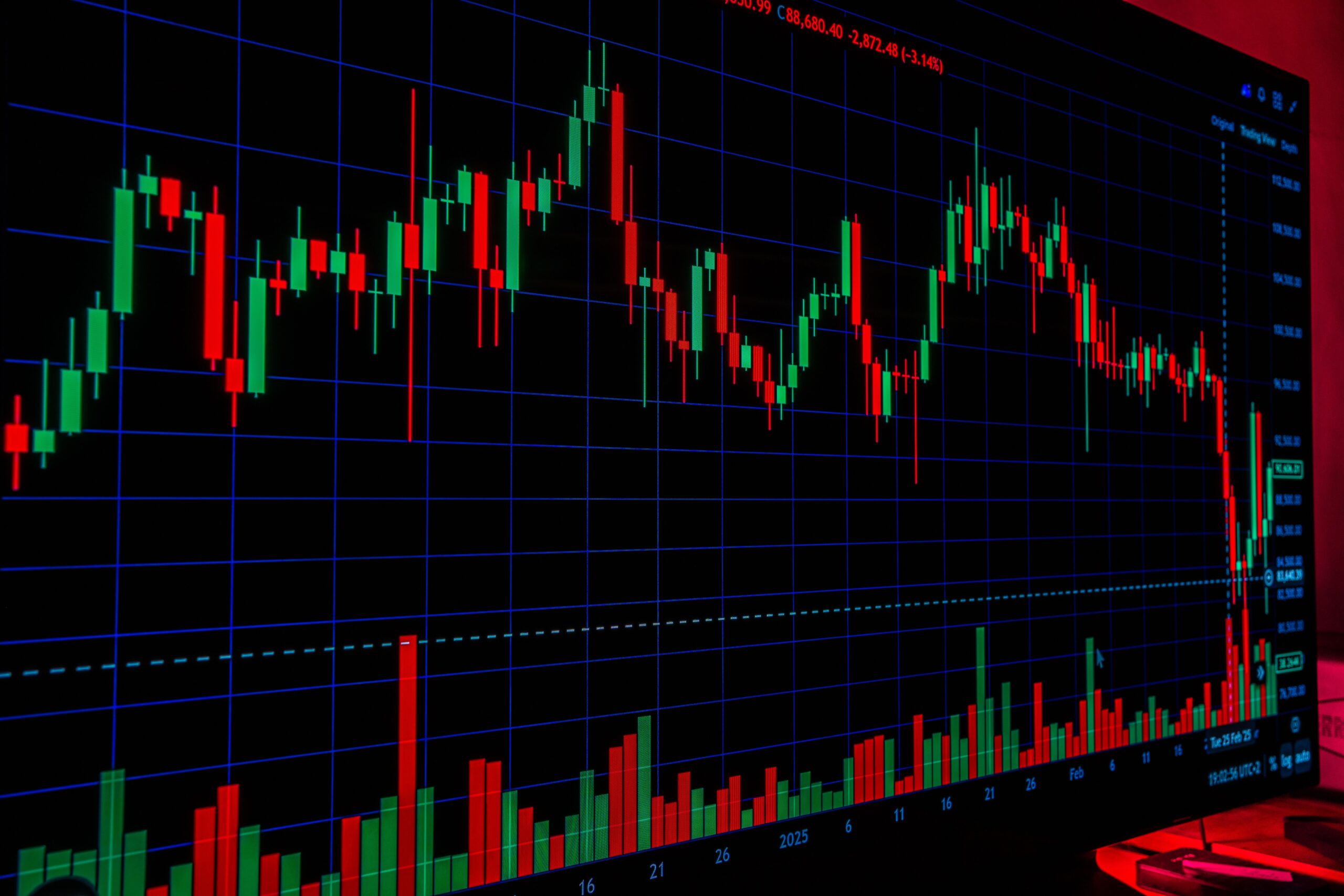
As the market looks ahead, the focus will remain on two key indicators: the status of the strategic disputes and the pace of supply normalization. Until the former is resolved and the latter is achieved, the market will remain in a state of heightened sensitivity. The combination of constrained supply and unresolved geopolitical risks creates a scenario where price movements can be disproportionately large relative to news flows. Market participants should be cautious in interpreting the recent price easing as a signal of long-term stability. Instead, it should be viewed as a temporary respite in a market that is still grappling with significant structural and geopolitical challenges.
The next critical juncture will likely come with any official updates on the peace talks or further data on global oil inventories and production levels. Until then, the market will remain volatile, with the potential for abrupt moves in either direction. The interplay between operational efficiency gains in the shale sector and the macro-level supply constraints will continue to define the trajectory of crude oil prices in the coming months.





3 Comments