
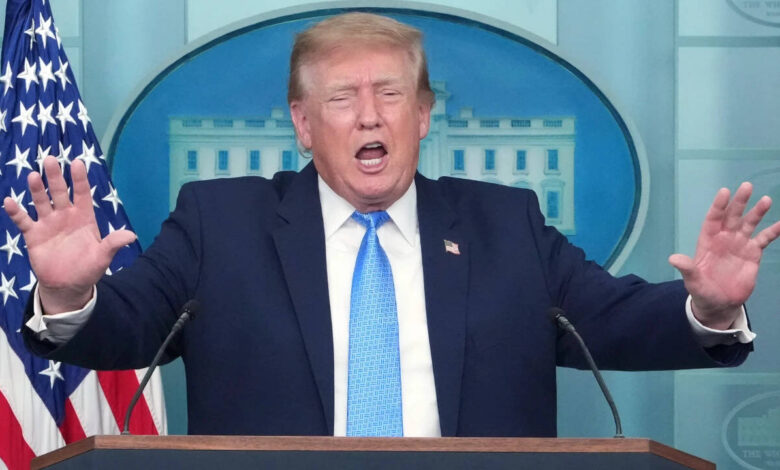
The statement marks a notable diplomatic development in the U.S.-Iran standoff. By attributing the progress to a specific ceasefire proposal mediated by Qatar, the administration suggests that third-party mediation is currently the primary channel for de-escalation. The reference to “positive momentum” implies that negotiations are advancing, although no final agreement has been announced or independently verified by either party.
This diplomatic engagement contrasts with earlier rhetoric from the U.S. side, which included warnings to Tehran. Previous reports described the U.S. military posture as “locked and loaded,” suggesting a readiness for further action if diplomatic efforts failed. The current emphasis on momentum and the specific involvement of Qatari mediation indicates that the U.S. is actively pursuing a negotiated ceasefire rather than immediate further escalation.

Qatar’s role in delivering the ceasefire proposal highlights the importance of regional intermediaries in Middle Eastern conflicts. As a Gulf state with established channels to both Washington and Tehran, Qatar’s mediation is central to the current diplomatic track. The sources do not specify the exact terms of the ceasefire proposal, nor do they detail the Iranian response to the latest U.S. signals.
The immediate significance of Trump’s comments lies in the potential for a structured end to hostilities. However, without confirmation from Iranian officials or detailed terms of the proposed ceasefire, the durability of this “positive momentum” remains uncertain. The next expected step is the formal presentation or discussion of the ceasefire terms, which will determine whether the diplomatic window remains open or closes.



One Comment