
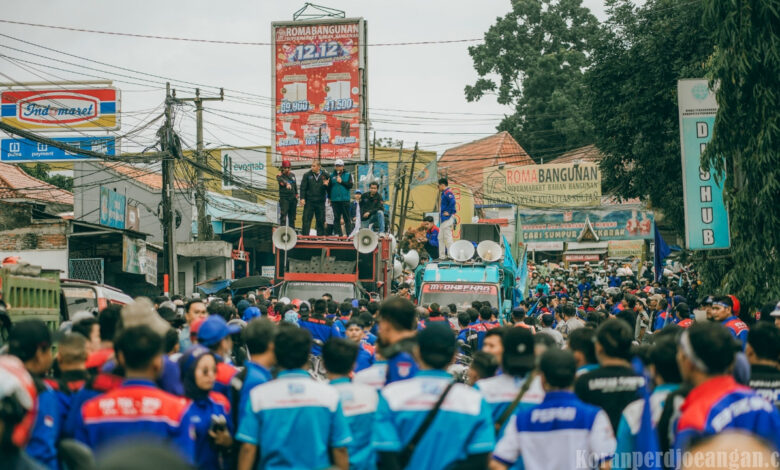
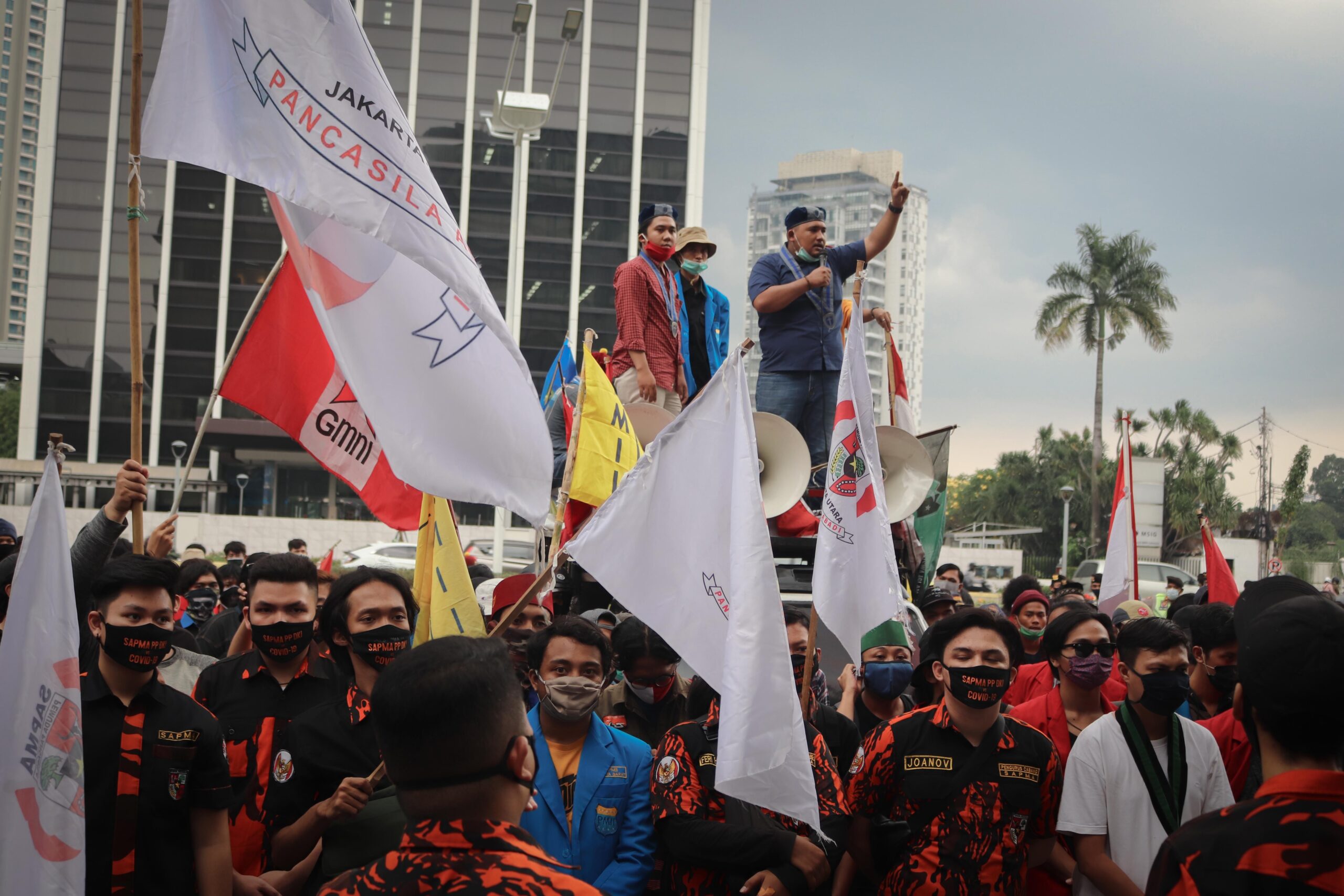
The central point of contention is the new adjustment index, set between 0.5 and 0.9. The Indonesian Trade Union Confederation (KSPI) and the Labour Party warn that this range could suppress minimum wages, particularly at the provincial level, potentially resulting in no wage increase in some regions despite rising living costs. Said Iqbal, president of KSPI, announced that workers will organize another large demonstration at the Presidential Palace and parliament building on 8 January. In response to the unrest, KSPI has put forward four demands, including a minimum wage increase of at least 6.5 per cent and an adjustment index of 0.7–0.9 instead of the proposed 0.5–0.9.
President Subianto defended the regulation, stating the changes aim to maintain workers’ purchasing power, stabilize the national economy, and adhere to a 2024 ruling by the Constitutional Court. That ruling mandated the revision of minimum wage policy to consider “a decent living, justice and humanity” and reinstated the sectoral minimum wage. However, Riden Hatam Aziz, president of the IndustriALL Global Union affiliate FSPMI, argued that the new regulation contradicts the Court’s ruling. “The government must abolish the new regulation, which poses a serious threat to a living wage,” Aziz said. Atle Høie, general secretary of IndustriALL, wrote to the President on 19 December, urging a review of the measure and warning that it was adopted without meaningful public participation or adequate consultation with trade unions.
The dispute occurs against a backdrop of evolving wage structures in Indonesia. According to WageIndicator, provincial minimum wages rose by nearly 6% between 2025 and 2026, though this increase was not uniform. Some provinces, such as Central Papua, saw no change, reflecting the decentralized governance structure introduced in 2001 that allows provinces to set local wage levels. By 2026, sectoral wages have expanded significantly, with more than 870 different rates in place. In industrialized regions like Java, these sectoral wages often exceed provincial minimums, playing a critical role in raising overall earnings.
Employers have also voiced opposition to the current trajectory. An Indonesian employers group stated that the proposed minimum wage rise is too high, adding another layer of complexity to the negotiations. The WageIndicator report notes that while the 2026 reforms integrate collective bargaining more deeply into the wage-setting process, significant disparities remain. Differences between provinces, such as those between West Java and Jakarta, highlight ongoing inequalities. The system is described as becoming more nuanced and participatory, yet marked by uneven outcomes across regions and sectors.
The next major development is scheduled for 8 January, when KSPI plans to hold a large demonstration in front of the Presidential Palace and the parliament building. The outcome of the protests and the government’s response to the union demands for a higher adjustment index will determine whether the current regulation remains in effect or is subject to revision. The ILO Experts’ Meeting on Wage Policies has previously reaffirmed that wage-setting should involve social dialogue, a principle the unions argue is currently being violated.




One Comment