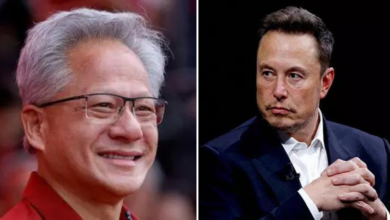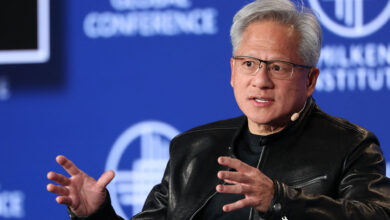

The decision represents a sharp reversal from Sunday, when the board publicly expressed confidence in Huang’s leadership. Under Nvidia’s bylaws, Huang can be removed by a majority vote of the 11-member board, with all directors except Huang considered independent. The market has reacted sharply to the unfolding crisis; following a Wall Street Journal report that the company was preparing to fire Huang, Nvidia’s stock slid more than 8% in extended trading.
If the losses are sustained, Nvidia will have erased approximately $600 billion in market value since the board announced an internal investigation into Huang’s relationship with Alice Huang. The allegations have forced a reassessment of the company’s stability. Armina Rosenberg, portfolio manager and co-founder of Minotaur Capital, stated that the market is now pricing Nvidia without its founder as the likely outcome rather than a tail risk. “Losing Jensen would be a real blow,” Rosenberg said.
The scandal has also triggered broader regulatory and geopolitical consequences. Lawmakers in the United States have begun pushing for tighter curbs on chip exports to China, citing the alleged facilitation of unauthorized shipments. The situation has raised questions about Nvidia’s governance, with Wall Street analysts examining the personal conduct of its leader alongside the board’s oversight responsibilities. The company, which has been the dominant supplier of AI chips central to the global technology boom, faces a potential leadership vacuum if Huang is removed.

Huang co-founded Nvidia and has led the company for more than three decades, building it into a roughly $4 trillion enterprise. His potential departure would leave a significant leadership gap at the world’s most valuable chipmaker. While the board has hired outside counsel to conduct its investigation, no timeline for a final decision on Huang’s position has been released. The outcome of Wednesday’s meeting will determine whether the company retains its founder or seeks to appoint a successor to stabilize operations during a period of intense geopolitical scrutiny.
Discussions regarding potential successors have begun, with top engineers and the Chief Financial Officer cited as favored candidates in speculation surrounding Huang’s possible replacement. However, no official announcement regarding a new CEO has been made. The immediate focus remains on the board’s vote and its implications for the broader AI industry, which relies heavily on Nvidia’s supply chain and strategic direction.