
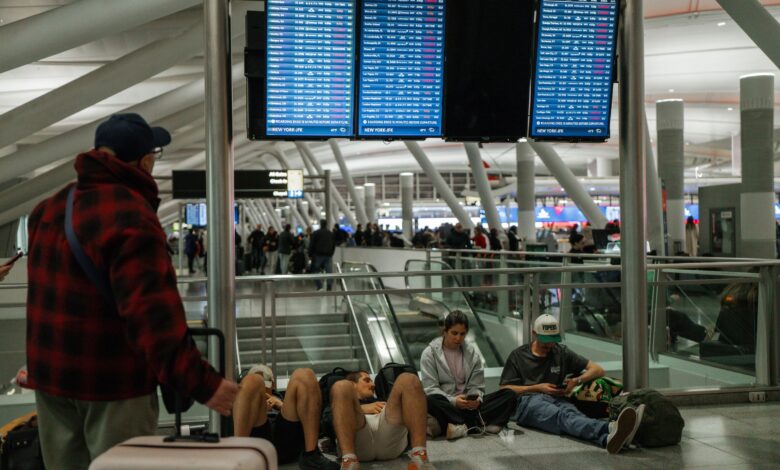
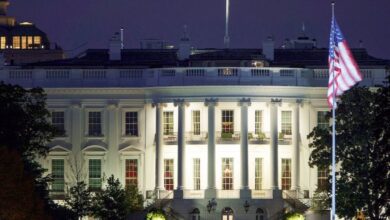
Transportation Secretary Sean Duffy addressed the situation during a press conference at the White House on Friday night, positioning the federal government’s response as a priority-driven allocation of limited aviation resources. Duffy stated that officials would assist stranded teams in reaching their destinations for Saturday’s games. “We’re going to allow for general aviation,” Duffy said, outlining a tiered approach to resuming flight operations. “Those larger movements to take place as a priority. Smaller movements will take a lower priority.” He specifically cited the profile of college sports travel, noting, “If you talk about football teams moving, many of those are on charters and there’s a lot of individuals on those charter planes.”
Duffy’s directive was explicit: “I would encourage those football teams to reach out to the FAA, to schedule their flight times and make sure they can move to make sure we have games going off tomorrow.” This statement framed the resolution not as an automatic restoration of normal service, but as a negotiated process where institutions had to actively engage with federal regulators to secure priority status. The ground stop itself was lifted just after 8:30 p.m. on Friday, but the disruption had already cascaded through the schedule of the 11th week of the college football season.
The political narrative surrounding the incident was heavily influenced by Duffy’s attribution of the cause. He blamed the nationwide grounding on the “DECADES-OLD” air traffic control system, which he noted was still running on analog equipment. This characterization aligns with longstanding policy debates regarding the modernization of the National Airspace System, suggesting that the incident was a symptom of deferred infrastructure maintenance rather than a temporary technical glitch. By linking the sporting disruption to broader systemic issues, the event became a case study in the consequences of aging public infrastructure.
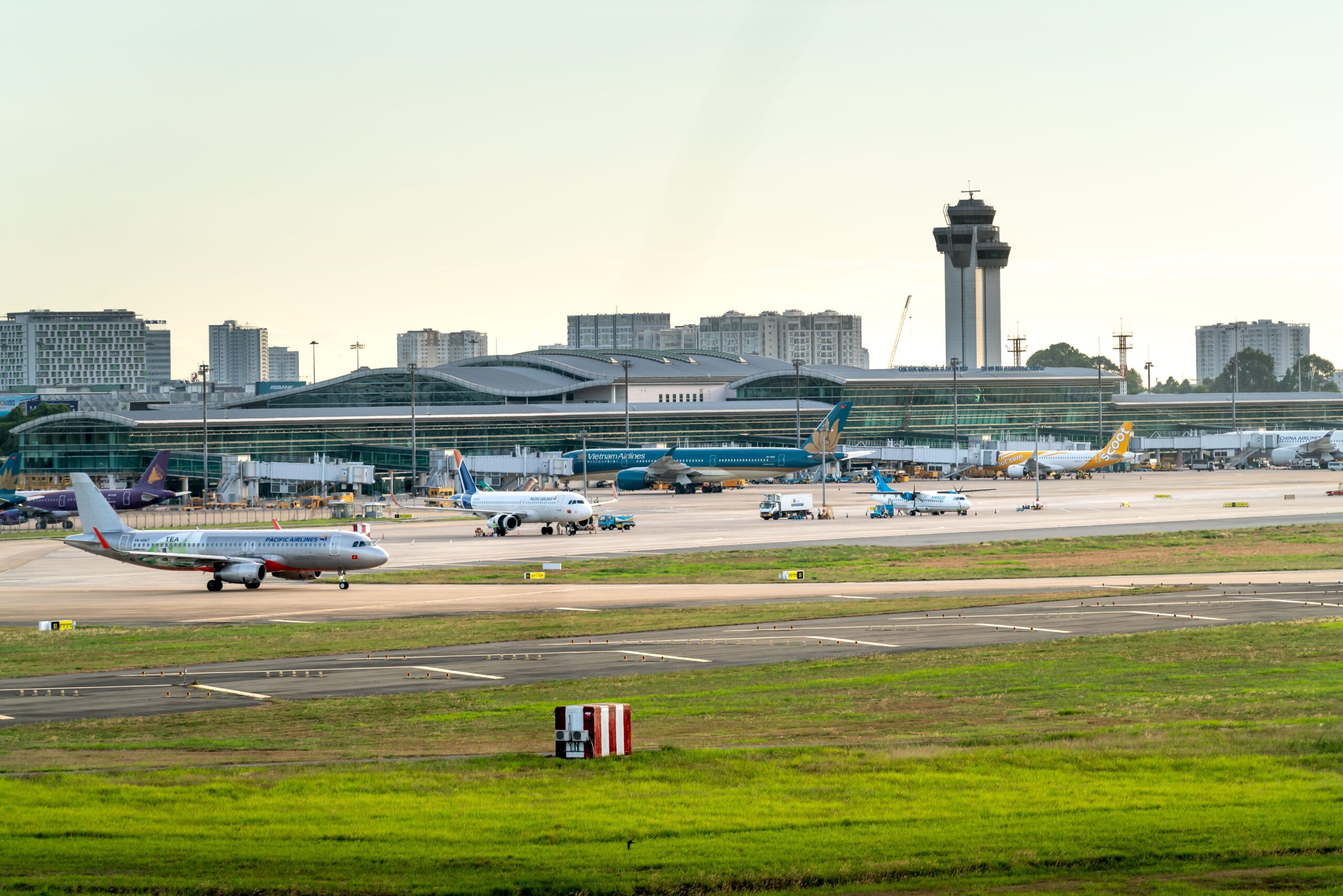
For the institutions involved, the ground stop forced a rapid triage of travel logistics. While some teams managed to recover their schedules, others faced significant alterations. Auburn, Purdue, Tulane, and North Texas, originally scheduled to fly out on Friday, opted to take buses to their road games at Mississippi State, Iowa, Houston, and San Antonio, respectively. This shift from air to ground transportation represents a direct economic and logistical burden on athletic departments, requiring last-minute coordination with local transportation providers and potentially affecting player rest and readiness.
Other programs faced schedule changes. Arizona State’s matchup against UCF, originally set for a 3:30 p.m. kickoff, was pushed back two hours to accommodate the Sun Devils’ plan to fly out of Tempe on Saturday morning. Similarly, the Baylor-BYU game in Provo, Utah, was moved from a 1:30 p.m. start to 5 p.m. In a more complex governance dispute, the game between Ole Miss and Oklahoma became a point of contention between conference officials and the hosting institutional leadership.
Ole Miss, unable to travel to Norman, Oklahoma, on Friday, found its 4:15 p.m. kickoff in jeopardy. The SEC pushed for a Sunday kickoff to resolve the travel issue. However, Oklahoma Athletic Director Roger Denny strongly objected to the date change. In a statement, Denny argued, “I understand that difficult decisions sometimes must be made under extraordinary circumstances. But those decisions must also consider the impact on everyone involved,” citing the negative effects on game day staff and fans who had planned for a Saturday event. The Sooners were reportedly warned about forfeiting the match if they declined to play on Sunday, illustrating the tension between conference-level scheduling authority and institutional control over home games.
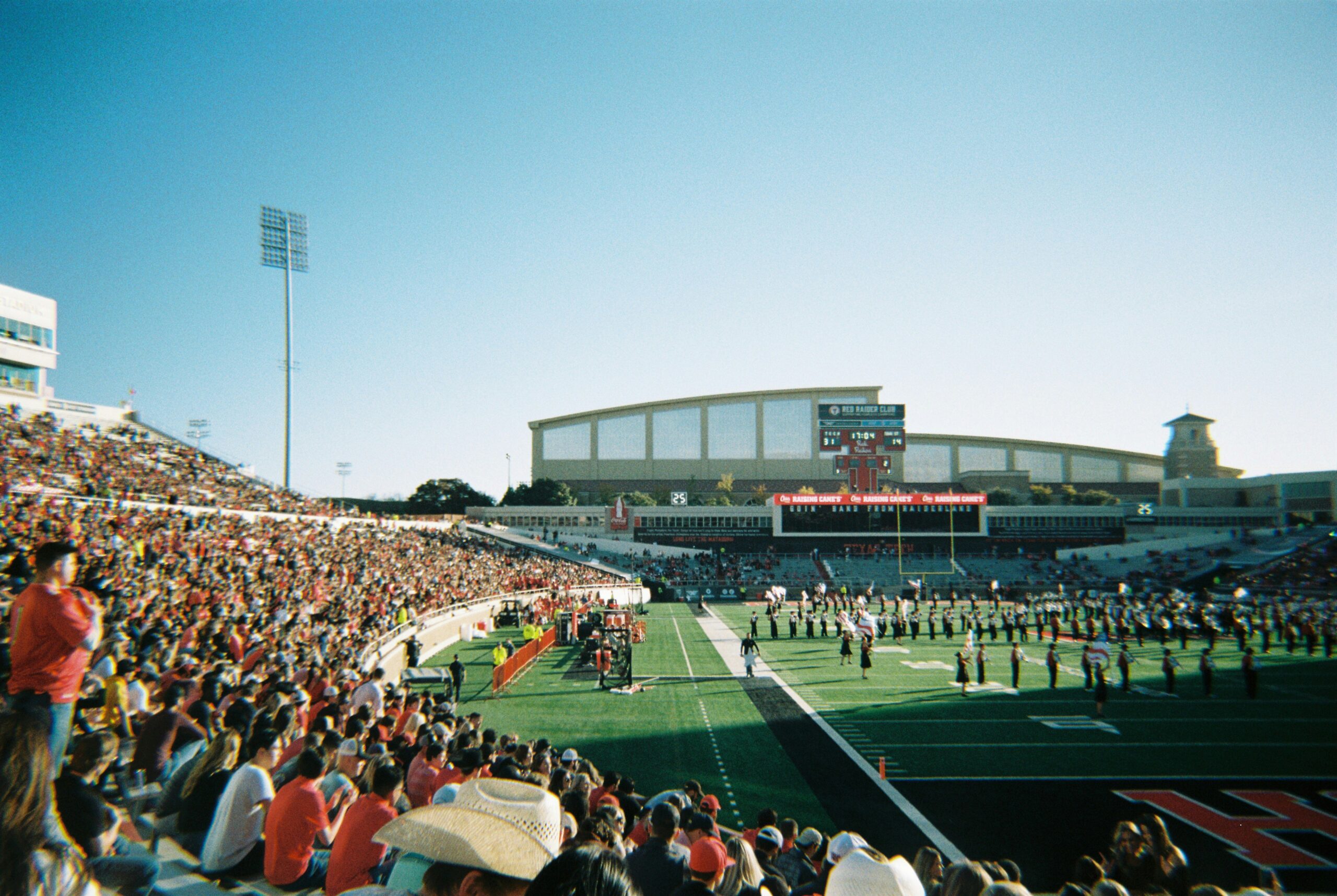
Not all teams suffered schedule disruptions. Top-25 ranked teams such as Tennessee and Texas managed to reach their destinations without changing kickoff times, though their journeys were delayed. The No. 8 Texas Longhorns documented their travel saga to LSU, posting updates from their initial boarding at 3:48 p.m. to their reboarding at 11:28 p.m. Their primetime game in Death Valley and Tennessee’s matchup at Texas A&M’s Kyle Field proceeded as scheduled. Other teams affected by the initial suspension included Tulane, San Jose, Washington, Minnesota, FAU, Utah, Arizona, and North Texas. Utah’s game against Arizona was moved to 8:30 p.m. after the Utes’ pilots’ time expired during the ground stop, preventing them from flying out on schedule.
The incident underscores the vulnerability of large-scale event logistics to federal regulatory actions and infrastructure limitations. While the FAA’s primary mandate is safety, the ripple effects of a ground stop extend into the economic and social spheres of major sports. The next political development will likely hinge on the outcome of the Ole Miss-Oklahoma scheduling dispute and whether the incident catalyzes renewed legislative or administrative pressure to accelerate the modernization of the air traffic control system.


One Comment