The timing of the deployment coincides with Keen Sword, a biennial joint exercise between the United States and Japan that took place from October 19 to 29. The exercise involved approximately 45,000 Japanese Self-Defense Forces personnel and 12,000 US troops. Keen Sword is explicitly designed to enhance interoperability and combat readiness between US and Japanese forces in response to regional security contingencies. In recent years, the exercise has drawn heightened attention due to tensions over Taiwan and Washington’s broader efforts to strengthen military cooperation with regional allies. Reports indicate that this year’s drills included the deployment of US Marine Corps anti-ship missile systems to Yonaguni Island in Japan, located approximately 110 kilometers from Taiwan, highlighting a clear focus on potential conflicts in that theater.
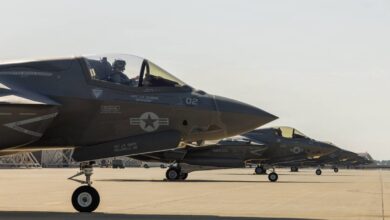
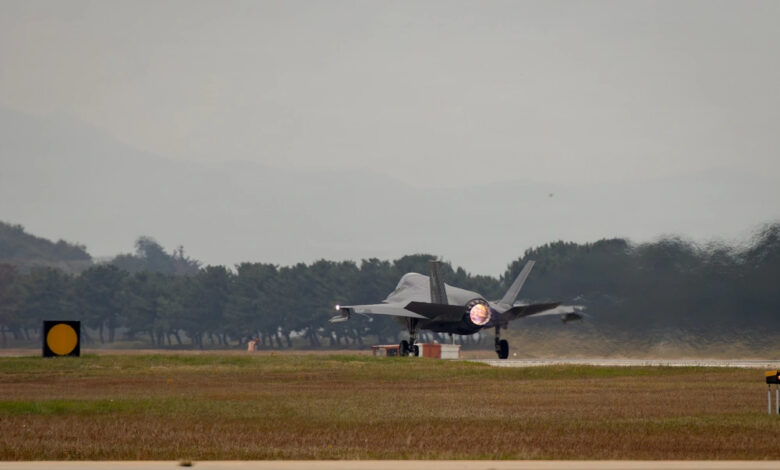
VMFA-533, headquartered at Marine Corps Air Station Beaufort in South Carolina, had previously rotated to Marine Corps Air Station Iwakuni in Japan in September. The squadron’s presence in South Korea was not isolated to the Keen Sword timeframe; the unit also participated in Freedom Flag, a South Korea-US combined aerial exercise held from October 26 to November 6. This dual participation demonstrates the squadron’s ability to operate across different allied training environments and underscores a pattern of fluid force movement within the region. Kunsan Air Base is a collocated operating base shared by the South Korean Air Force’s 38th Fighter Group and the US Air Force’s 8th Fighter Wing, making it a significant node for US air power in the peninsula.
For Seoul, the deployment of Japanese-based US assets to Korean soil carries specific strategic weight. A primary concern within South Korea is that US military installations could potentially support operations involving China, particularly in a Taiwan-related contingency, even if South Korean forces do not directly participate. This concern is amplified by the fact that South Korean troops did not take part in Keen Sword. The South Korean Defense Ministry stated that Japan had not invited the South Korean military to join the exercise, creating a diplomatic and operational distinction between the two US allies in this specific context.
Washington, however, frames these movements through the lens of strategic flexibility. This doctrine allows US forces stationed in allied countries to be repositioned across the region in response to broader security threats. US Forces Korea (USFK) has described the deployment as part of routine military operations rather than an activity directly linked to Keen Sword. “US units based in Japan routinely train at US installations in Korea, and US units based in Korea routinely train in Japan and around the region,” USFK stated. The command added that these rotations are part of normal US force posture in the region and are not tied to a single exercise. USFK declined to comment on specific unit missions or flight schedules, maintaining operational security regarding the precise objectives of the deployment.
The F-35B itself is a short takeoff/vertical landing (STOVL) variant of the F-35 Lightning II, a fifth-generation multirole fighter capable of air superiority, strike, and reconnaissance missions. Its presence at Kunsan, alongside the broader context of Keen Sword, suggests a deliberate effort to test the logistical and operational viability of moving high-value assets between key US bases in the region. The geographic proximity of Kunsan to the Demilitarized Zone and its role as a shared base with the South Korean Air Force makes it a critical asset for rapid response and regional deterrence. The ability to rotate such advanced platforms between Japan and South Korea without significant delay indicates a high level of integrated logistics and command-and-control infrastructure.
While the US emphasizes the routine nature of these rotations, the strategic implications are clear. The deployment reinforces the interconnectedness of US bases in Japan and South Korea, potentially allowing for a more dynamic response to threats across the First and Second Island Chains. For South Korea, this raises complex questions about its exposure to conflict in scenarios that may not directly involve its territory or forces. The incident highlights the tension between US strategic flexibility and allied national security concerns, a dynamic that is likely to remain a focal point in future defense dialogues. As the US continues to adjust its force posture in the Indo-Pacific, the movement of advanced fighters like the F-35B between allied bases will serve as a key indicator of readiness and intent.
The next confirmed development in this operational sequence is the conclusion of the Freedom Flag exercise on November 6, marking the end of the squadron’s documented period of combined training in South Korea. The precise return schedule of VMFA-533 to Japan remains unpublicized, but the successful completion of these joint drills reinforces the operational readiness of US forces in the region during a period of heightened geopolitical tension.