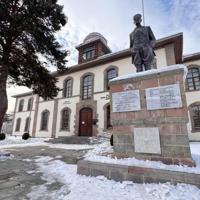
Seismic and structural evaluations concluded that the building’s current earthquake performance was inadequate. Consequently, officials took immediate action to protect public safety by halting operations. The congress building, which has operated as a museum of painting and sculpture since 2018 under the Culture and Tourism Ministry, is registered as a protected cultural heritage site. It hosted the Erzurum Congress in July–August 1919, a pivotal gathering during the Turkish War of Independence led by Mustafa Kemal Atatürk, where decisions were made that laid the groundwork for the establishment of the Republic of Türkiye.
The closure comes amid a period of increased seismic activity in the Erzurum province. According to seismic monitoring data, three minor earthquakes occurred in the region in November 2026. On Nov. 10 at 10:03 p.m., a weak magnitude 2.1 earthquake struck 22 km northeast of Pasinler at a depth of 12.9 km. On Nov. 15 at 02:52 a.m., a weak magnitude 2.2 earthquake hit 6.1 km east of Askale at a depth of 2.9 km. Most recently, on Nov. 16 at 06:01 a.m., a light magnitude 3.6 earthquake occurred 24 km northeast of Erzurum at a very shallow depth of 7 km. None of these recent events were reported to have been felt by the local population.
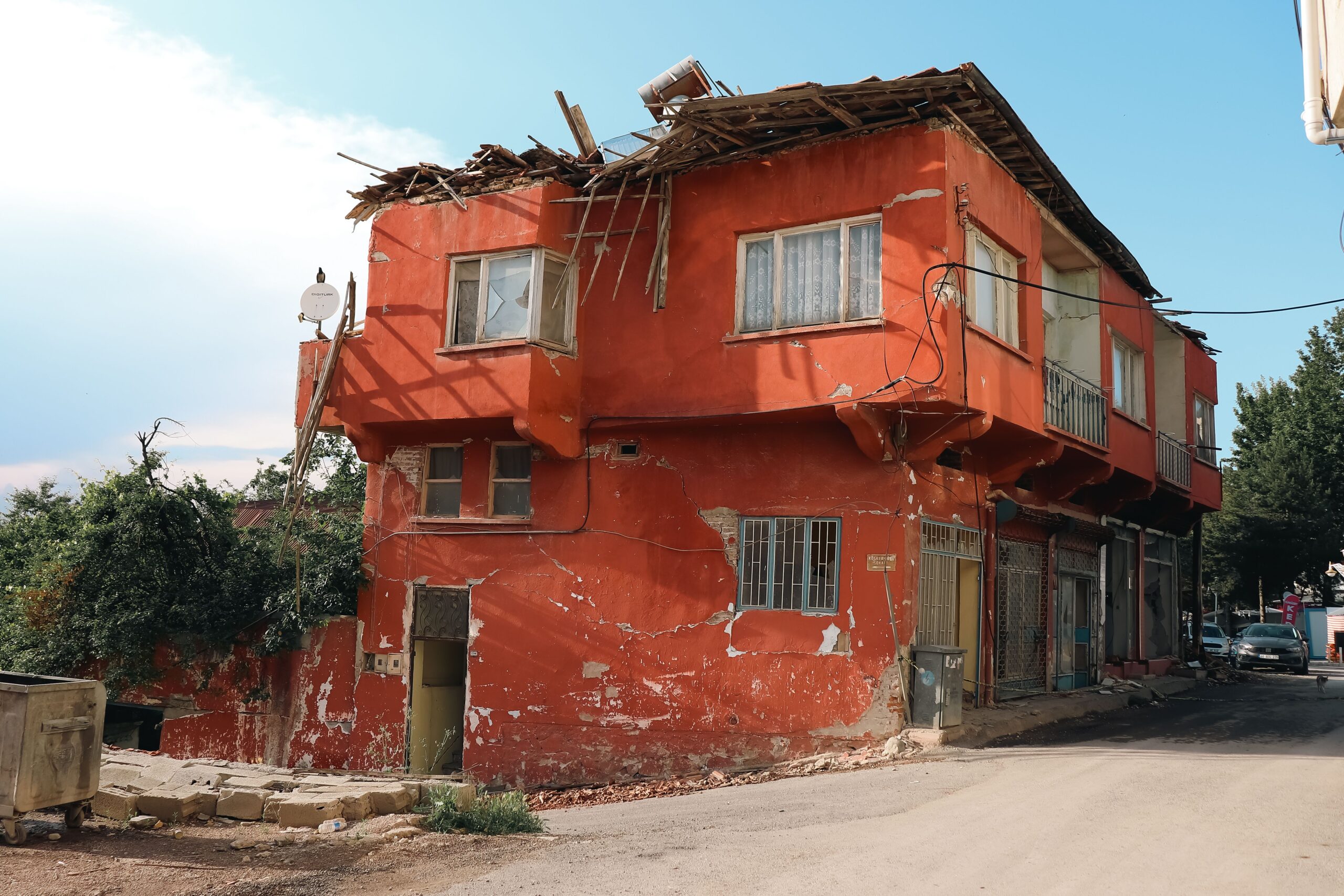
While the recent minor quakes were not linked directly to the structural failure, the earlier assessments highlighted the vulnerability of the building to seismic events. The Culture and Tourism Ministry has indicated that officials will undertake restoration and strengthening works on the site. The goal is to preserve the building’s original architectural character while updating it to meet modern museum standards, including improved accessibility and visitor experience facilities.
The building is expected to reopen to the public once the restoration and strengthening works are completed. No specific timeline for the completion of these works has been provided by the authorities. The closure underscores the ongoing challenges faced by historic structures in seismically active regions of Turkey, where balancing heritage preservation with modern safety standards remains a priority for local and national regulators.