The shift in the recovery timeline was communicated by the head of the FAA, who stated that the system is back to normal by Sunday. This assertion provides a concrete endpoint to a period of uncertainty for travelers and industry stakeholders who had been monitoring the situation closely. The FAA’s role in regulating air traffic control and safety standards makes its status updates a critical indicator of the health of the nation’s aviation infrastructure.
Earlier in the disruption period, officials had indicated that the system would return to normal by Monday. The move to a Sunday target suggests that remedial measures or operational adjustments implemented during the preceding days were effective in resolving the underlying issues causing the delays and cancellations. While the sources do not specify the exact technical or external causes of the initial disruption, the rapid stabilization highlights the agility of the federal agency in managing large-scale operational setbacks.
The implications of this recovery extend beyond individual passenger itineraries. Air travel is a vital component of the US economy, facilitating tourism, business travel, and cargo logistics. Disruptions of even a few days can have ripple effects, from lost revenue for airlines and airport vendors to broader economic friction for businesses reliant on timely personnel movement. By confirming a return to normalcy by the weekend, the FAA aims to restore confidence in the reliability of the air transport network.
The distinction between the initial Monday target and the subsequent Sunday declaration is significant. It indicates that the recovery process was proceeding faster than anticipated. This positive variance in the operational timeline is a measure of the effectiveness of the crisis management efforts deployed by the FAA and its partners. The focus has now shifted from managing the disruption to ensuring that the return to normalcy is sustained and that no residual issues remain in the air traffic control system or airport operations.
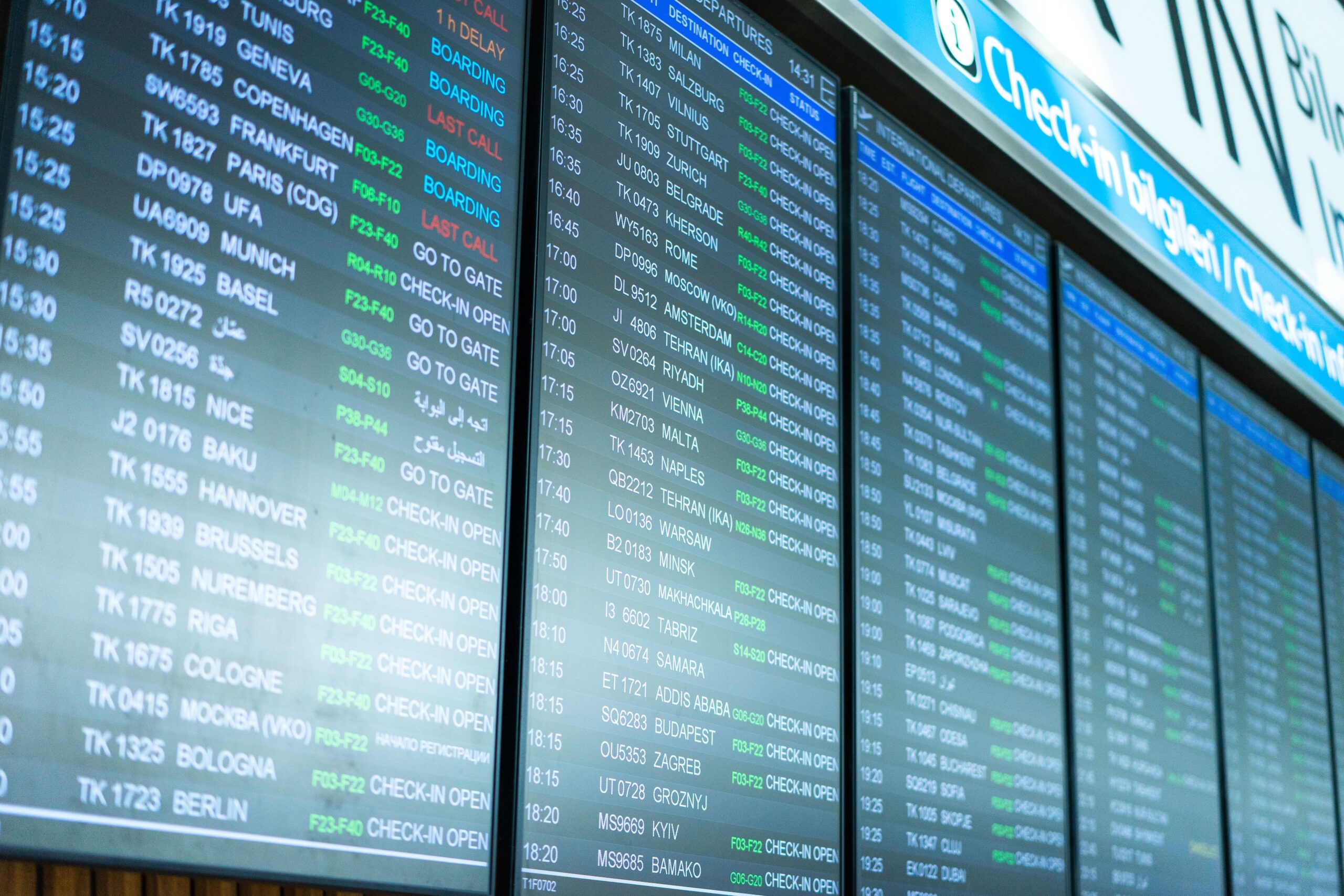
For the aviation industry, this news serves as a signal to resume standard scheduling and staffing practices. Airlines, which must plan routes and crew assignments well in advance, can begin to normalize their operations with the assurance that the regulatory environment is stable. Passengers, who had faced the inconvenience of canceled flights and lengthy delays, can expect a more predictable travel experience starting Sunday. The FAA’s statement underscores the importance of clear, authoritative communication during periods of infrastructure stress, helping to mitigate public anxiety and coordinate responses across the sector.
While the immediate crisis appears to be resolved, the FAA will likely continue to monitor system performance closely in the coming days to ensure that the return to normal is permanent. The specific metrics used to define “normal” operations, such as on-time performance rates and delay durations, will be key indicators of the system’s health. The successful navigation of this disruption provides a case study in how federal agencies manage high-visibility operational failures, balancing safety, efficiency, and public communication.
The US air travel system’s ability to recover within a few days demonstrates the resilience of the infrastructure and the coordination between federal regulators, airlines, and airport authorities. As the Sunday deadline approaches, the focus remains on executing a smooth transition back to standard operations, setting the stage for a stable period of air travel in the weeks ahead. The FAA’s confidence in the timeline suggests that the root causes of the disruption have been adequately addressed, allowing the system to function as intended.
In the broader context of US infrastructure and economic activity, the swift resolution of the air travel disruptions minimizes potential long-term economic damage. The aviation sector is integral to the transportation network, and prolonged disruptions could have had more severe consequences for commerce and mobility. By achieving a full recovery by Sunday, the FAA has helped to contain the impact of the incident, ensuring that the economic and social functions dependent on air travel can resume with minimal further interruption.
The announcement also highlights the ongoing challenges faced by the aviation industry in maintaining reliability amidst various operational pressures. Whether the disruptions were caused by technical failures, staffing issues, or external factors, the response underscores the need for robust contingency plans and rapid response capabilities. The FAA’s commitment to returning the system to normal as quickly as safely possible reflects its mandate to ensure the safety and efficiency of US airspace.
As travelers and industry participants prepare for the return to normal operations, the FAA’s statement serves as a definitive marker of the end of the disruption period. The transition to Sunday as the target date represents a positive development in the recovery process, offering reassurance to those affected by the recent chaos. The successful management of this incident will be closely watched as a benchmark for how the agency handles similar future challenges in the complex landscape of modern air travel.
The return to normalcy by Sunday is not just a operational milestone but a signal of stability for the US aviation sector. It allows businesses and individuals to plan their travel and logistics with renewed confidence, knowing that the air transport system is functioning within expected parameters. The FAA’s proactive communication and effective management of the situation have been instrumental in achieving this swift recovery, marking a successful resolution to the recent period of disruption.
Looking ahead, the focus will shift to maintaining these normal operations and preventing similar disruptions in the future. The lessons learned from this incident will likely inform future operational strategies and policy decisions within the FAA. The rapid return to normal by Sunday stands as a testament to the resilience of the US air travel system and the effectiveness of the federal agency in safeguarding its integrity and reliability.
For now, the immediate concern of the disruption has been addressed, and the system is poised to resume its critical role in connecting people and goods across the country. The FAA’s declaration provides a clear path forward, ending the uncertainty that had characterized the previous days and setting the stage for a stable and efficient period of air travel.