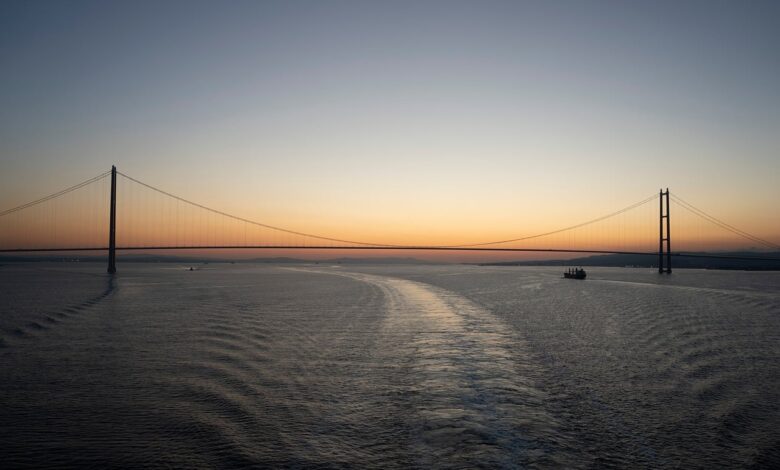
The Strait of Hormuz remains one of the most geopolitically sensitive locations on the planet. It serves as the primary maritime outlet for oil from the Persian Gulf, carrying a significant portion of the world’s daily crude oil supply. Consequently, any disruption to traffic in this corridor carries immediate implications for global energy markets and international security. The recent escalation, characterized by multiple tanker explosions and the specific attribution of blame to the use of an “unauthorised” route, represents a tangible shift in the operational environment for maritime traffic in the region.
The Iranian statement introduces a specific diplomatic and strategic nuance to the crisis. By defining a particular route as unauthorised, Tehran is asserting a degree of regulatory control over the waterway, challenging the traditional understanding of international shipping lanes where freedom of navigation is a cornerstone of maritime law. The IRGC’s claim that tankers struck mines while deviating from this approved path suggests a strategy of enforcing maritime boundaries through kinetic means. For the affected tankers and their operators, the consequence is severe: physical damage to vessels, potential environmental hazards from fuel spills, and the disruption of supply chains that depend on the predictable flow of hydrocarbons.

This development places significant pressure on multiple actors. For Gulf state producers and international shipping companies, the incidents represent a direct threat to economic stability and physical safety. The ambiguity surrounding the placement of mines and the definition of “authorised” routes creates a high-stakes environment where navigational errors can have catastrophic consequences. International observers and diplomatic bodies face the challenge of verifying the exact circumstances of each explosion and determining whether the incidents are isolated acts of sabotage, deliberate military posturing, or the result of a contested maritime doctrine. The distinction between a verified attack and a navigational hazard is critical for determining the appropriate international response.
The historical context of the Strait of Hormuz is fraught with periodic tensions, often linked to broader regional conflicts and negotiations. However, the current situation is notable for the explicit linkage made by the IRGC between the use of a specific route and the triggering of defensive measures. This approach complicates diplomatic efforts, as it shifts the responsibility for safety partly onto the vessels themselves, demanding adherence to Tehran’s specific navigational protocols. For the global community, the uncertainty surrounding the extent of mine-laying and the criteria for “authorised” passage complicates risk assessment for insurers, shippers, and energy traders.
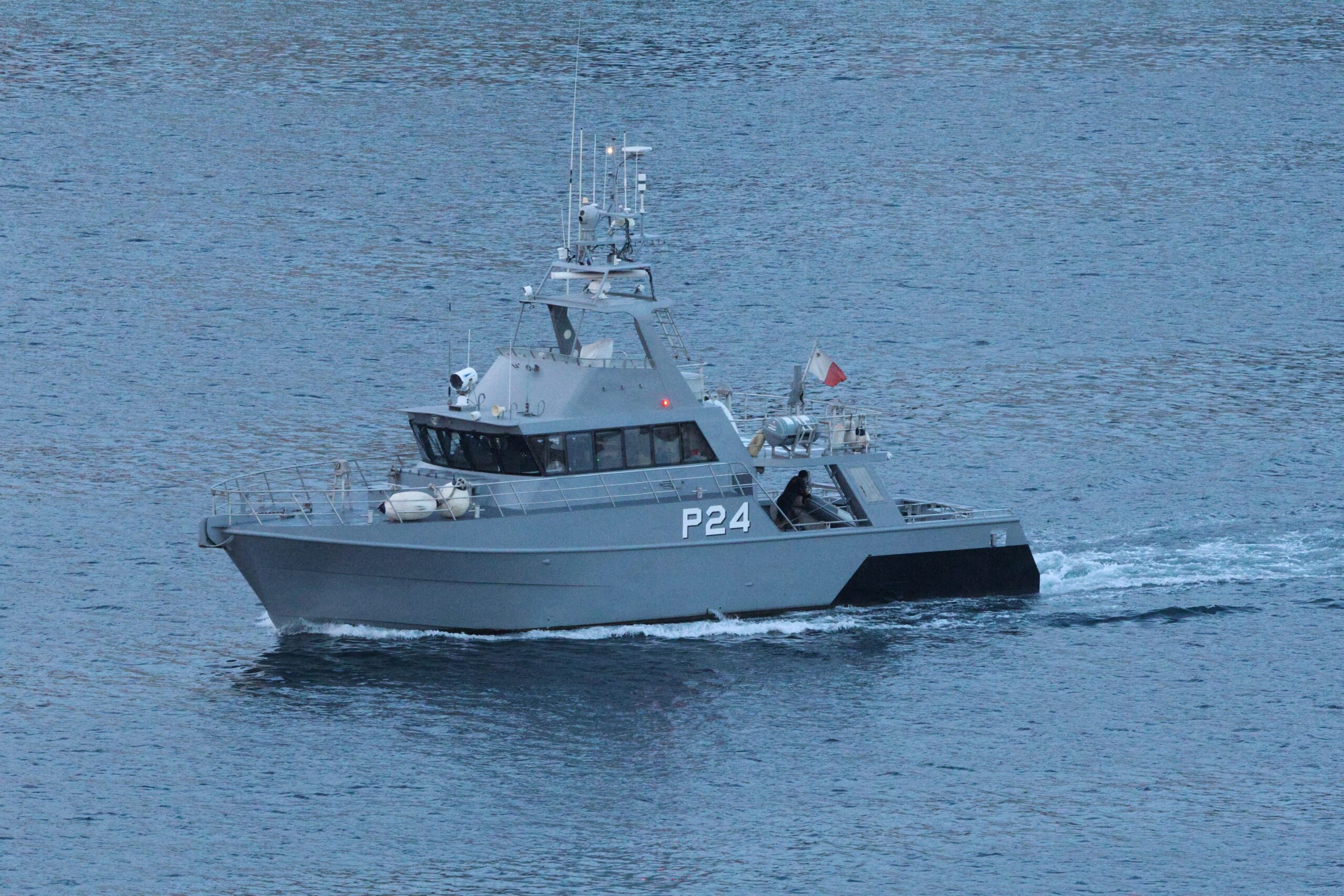
The immediate consequence of these reports is a heightened state of alert for maritime assets in the region. Shipping routes may become more congested as vessels attempt to adhere to the routes deemed safe by Tehran, or conversely, they may avoid the strait entirely if the risks are deemed too high. This potential rerouting or slowdown would have ripple effects on global oil prices and supply reliability. The longer-term implications depend on whether these incidents are contained or if they lead to a broader confrontation. The clarity of the IRGC’s statement provides a clear signal of Iranian intent and capability in the maritime domain, but it also leaves room for dispute regarding the legitimacy and proportionality of such measures in international waters.
As the world looks to the Strait of Hormuz, the focus remains on the unresolved tension between the stated navigational rules and the reality of international shipping. The next development will likely hinge on the response of affected nations and international shipping bodies to these claims. Whether through diplomatic protest, increased naval presence, or insurance adjustments, the international community is now faced with the task of navigating a waterway where the definition of a safe path is itself a subject of geopolitical contest. The explosions over the past week serve as a stark reminder that the flow of global energy is not immune to the strategic calculations and territorial assertions of regional powers.