
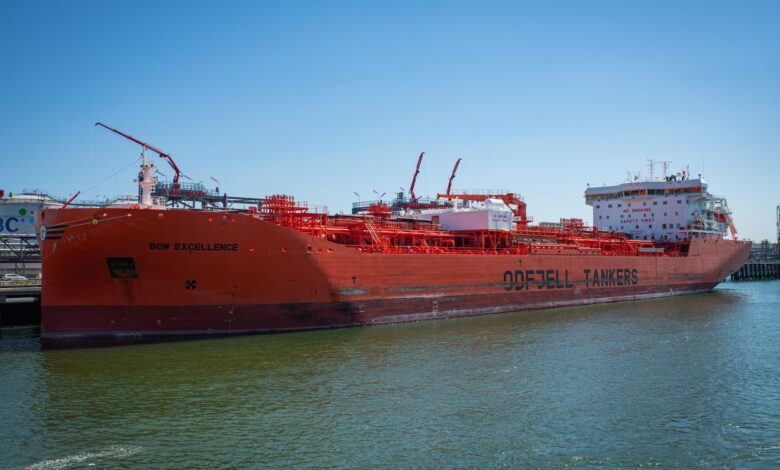
The surge in energy costs reflects the breakdown in negotiations over the reopening of the strait, through which one-fifth of the world’s oil and liquefied natural gas supplies were shipped before the conflict began at the end of February. Although the two nations signed a memorandum of understanding in June aimed at ending the war, talks have stalled due to competing demands regarding reparations and control of the waterway. Iran, which effectively closed the strait to shipping shortly after the war started, states that reopening it depends on Washington meeting several political and economic conditions. Conversely, the United States has insisted it is directly involved in the talks, while Iran maintains it is negotiating exclusively with Oman regarding the future management of the strait.
Central to the current impasse are conflicting demands for compensation. President Donald Trump stated on Monday that the US would demand money from Iran for damages caused over a “50-year period.” In a post on Truth Social, Trump specified that Iran should compensate families of the 17 US sailors killed in the 2000 attack on the USS Cole, as well as families of Iranian protesters killed during antigovernment unrest in January. He further demanded Iran be responsible for damages and deaths in Lebanon, Syria, Yemen, and Gaza. These demands directly contradict the position of Tehran, which announced on Saturday that the US should compensate Iran for damage caused by US and Israeli attacks during the current war. The six new conditions outlined by Iran’s Supreme National Security Council include these reparations, creating a significant barrier to any immediate agreement.
The diplomatic friction is complicated by mixed signals from Washington. While President Trump issued escalatory rhetoric regarding compensation, Vice President JD Vance expressed confidence on Saturday that a deal would be reached and would be beneficial for the American public. Vance also noted that Iran had communicated it had “no plans” to impose tolls on the strait, a point of friction that remains unresolved. However, experts suggest that broader peace negotiations are unlikely to restart until the specific issue of the Strait of Hormuz is resolved. Al Jazeera’s Tohid Asadi reported from Tehran that “the two sides are further apart” and becoming more distant regarding the possibility of a diplomatic settlement.
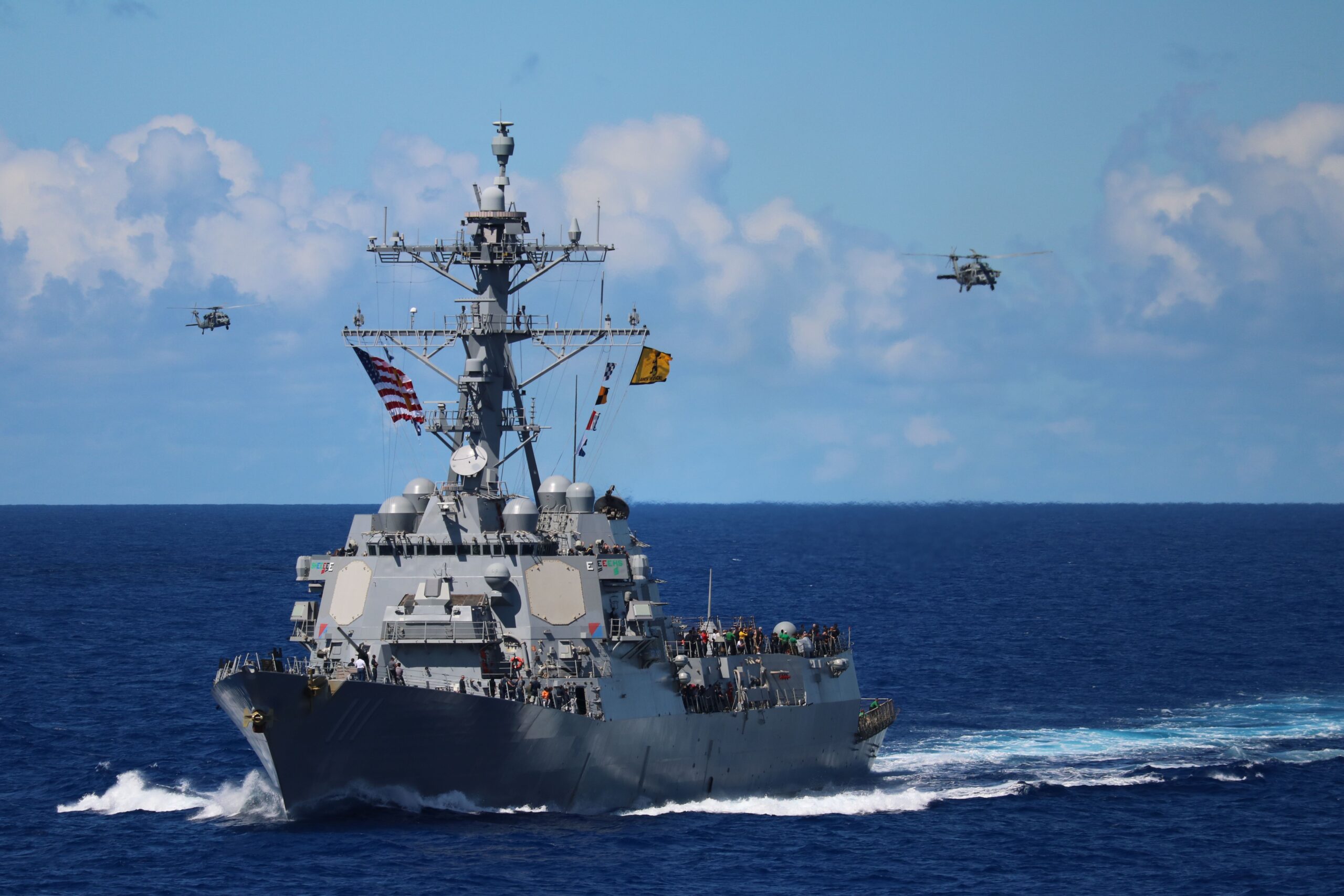
Military posturing has intensified alongside the diplomatic stalemate. A third US aircraft carrier strike group, the USS Theodore Roosevelt, entered the US Central Command area of operations on Sunday, joining the USS George HW Bush and the USS George Washington in the Arabian Sea. These carriers are part of a fleet of more than 20 US Navy ships enforcing a naval blockade of Iran’s Persian Gulf and Gulf of Oman ports. The US asserts it is enforcing this blockade, while Iran claims control over the strategic strait. The differing accounts of recent maritime incidents highlight the fog of war surrounding the region; while the UKMTO reported a projectile strike causing an engine room fire, the Iranian Islamic Revolutionary Guard Corps (IRGC) navy claimed on Sunday that a tanker struck naval mines east of the strait and caught fire. The IRGC stated the tanker had switched off its navigation systems and was attempting to pass through a “restricted zone,” though no images of the incident were provided.
The conflict is also spilling over into neighboring regions, further complicating the security environment. Bahrain’s Foreign Ministry stated that it holds Iran “fully responsible” for drone attacks targeting the kingdom on Friday and Sunday, describing the incidents as a resumption of aggression. The IRGC claimed responsibility for both attacks, which Manama said were defeated by Bahraini air defense systems. Tehran has warned that any regional nations assisting US-Israeli strikes on Iran will be considered legitimate targets. Meanwhile, intensified fighting in Yemen between Saudi-backed forces and Iran-backed Houthi rebels has led to repeated attacks on Saudi military, oil infrastructure, and transport facilities.
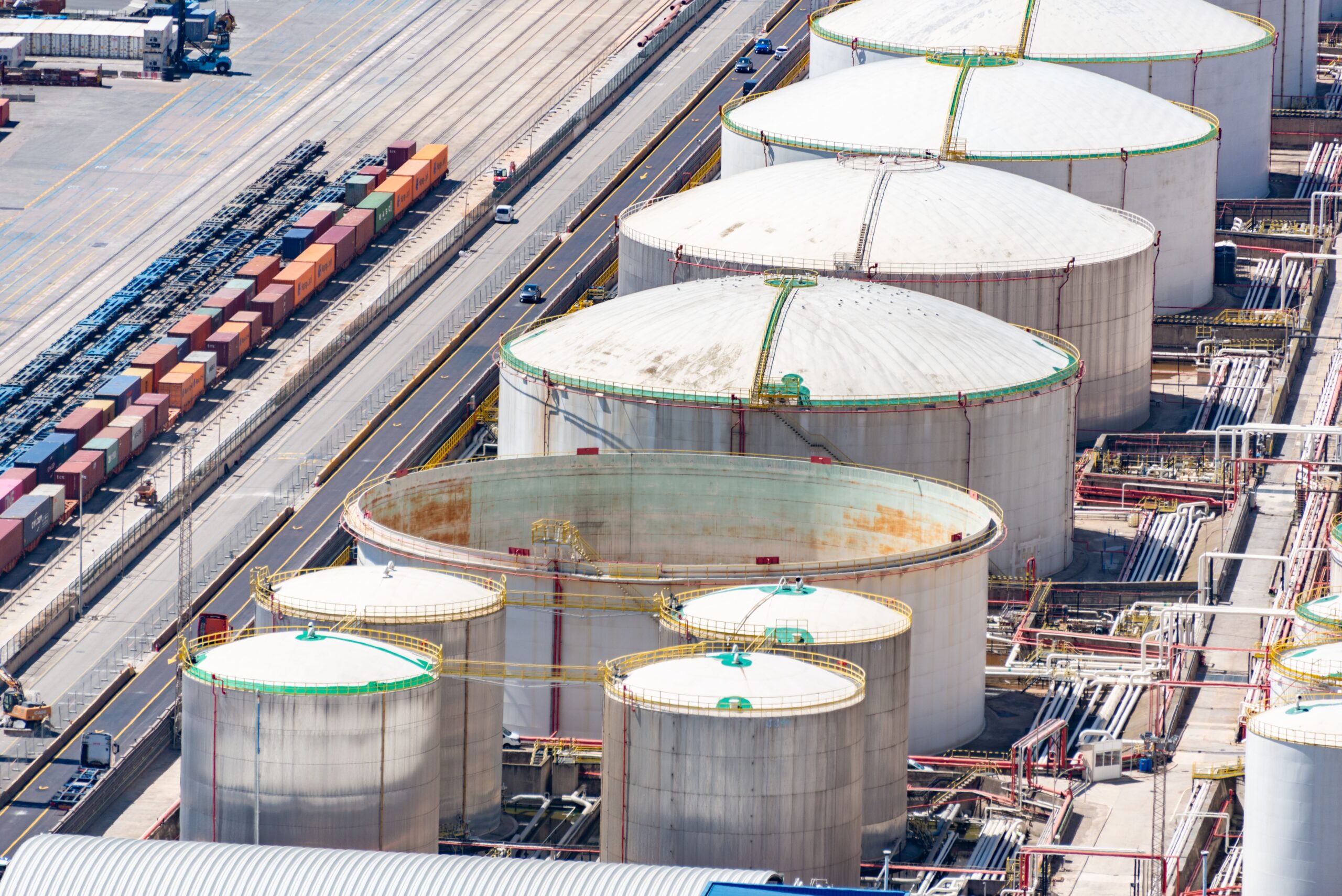
For global markets, the uncertainty is priced into the cost of energy. The inability to agree on the terms of reopening the strait, coupled with the physical threat to shipping lanes, keeps a premium on oil and gas prices. The US position that Iran “does not control” the Strait of Hormuz contrasts sharply with Tehran’s assertion of control and its linkage of strait access to political concessions. Until the issue of management and reparations is resolved, the flow of hydrocarbons through this critical artery remains at risk.
As the USS Theodore Roosevelt joins the existing carrier groups in the region, the focus remains on the final stages of the negotiations between Tehran and Oman regarding new shipping lanes. The next critical test will be whether the exchange of messages through intermediaries can bridge the gap between Washington’s demand for historical compensation and Tehran’s demand for war reparations, or if the stalemate will persist, keeping the strait effectively closed and global energy prices elevated.


One Comment