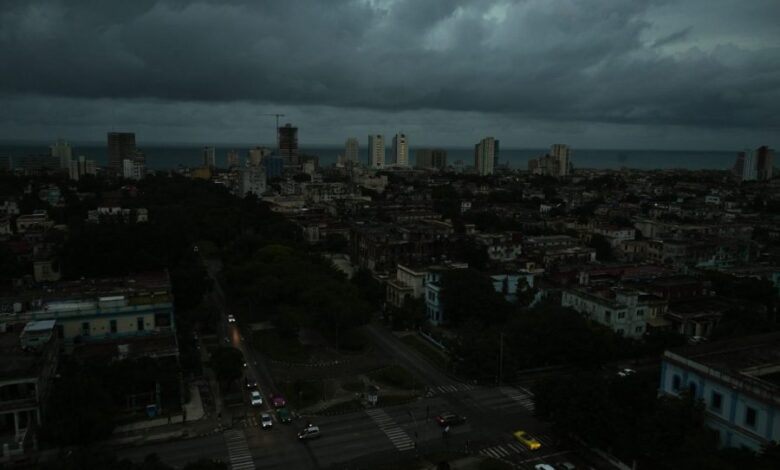
The timing of the test has coincided with a surge in speculation on social media platforms. Following recent outages at major U.S. banks, a historic nationwide aviation groundstop, and a significant Microsoft outage, some users have linked the upcoming alert to conspiracy theories suggesting a global blackout, a technological reset, or even extraterrestrial involvement. These claims lack basis in official communications or technical evidence, but they have generated widespread anxiety among internet users who interpret the sequence of digital disruptions as signs of impending systemic failure.
FEMA describes IPAWS as the only system in the United States designed to operate under all conditions to deliver life-saving information to the public. According to Wisconsin Energy Management, the test is engineered to reach people quickly and reliably, even in scenarios where power is out or cellular service is down. The alert will include state-specific tones to accommodate individuals who are hard of hearing or deaf, ensuring accessibility across the diverse population of the United States.
The heightened focus on emergency preparedness extends beyond the immediate alert test. Last month, U.S. War Secretary Pete Hegseth unveiled a directive known as FORTRESS, an acronym for Federal Operations for Resilience, Troop Resources, Energy, Supply, and Survivability. The initiative aims to prevent homeland sites from being “starved out, shut down, or cut off” during conflicts or disasters. A central component of this directive requires that each military base maintain an alternative energy supply to ensure operations continue if civilian power grids are disrupted. Additionally, the September 30 memo to senior Pentagon leadership emphasized the need for “cyber resilience” and invulnerability to supply-chain disruptions at military installations.
These domestic measures reflect a broader trend in transatlantic security planning. Governments in both the United States and the United Kingdom are actively examining preparedness strategies for disruptions caused by cyberattacks, armed conflict, and natural disasters. The UK has similarly encouraged its citizens to maintain emergency supplies, while U.S. officials continue to evaluate methods for protecting critical infrastructure from emerging threats.
Cultural references have also played a role in shaping public perception of potential blackouts. The animated television series “The Simpsons” has frequently been cited by conspiracy theorists for its alleged prophetic accuracy, including a 2023 episode that depicted a blackout plunging the city of Springfield into darkness days before Thanksgiving. While such narratives fuel speculation, they remain distinct from the technical realities of grid management and emergency alerting systems.
Mykel Hawke, a Special Forces veteran and survival expert appearing on NewsNation’s “Hot Take,” advised the public to focus on tangible risks rather than unverified rumors. Hawke emphasized that Americans should pay attention to the same threats that military planners are preparing for, noting that attacks on infrastructure could have widespread consequences for everyday families. He outlined core survival principles, prioritizing water, fire, shelter, medicine, communications, navigation, and security.
Hawke specifically highlighted communications as a critical vulnerability during prolonged outages. “Everybody’s got a cell phone, but expect the batteries to die, expect the grid to go down,” he warned. His comments underscore the importance of having redundant communication methods and backup power sources, aligning with the broader government push for resilience in both civilian and military sectors. As the FEMA test proceeds, the primary objective remains the verification of alert delivery mechanisms, ensuring that in the event of a genuine emergency, the public receives accurate and timely information.