
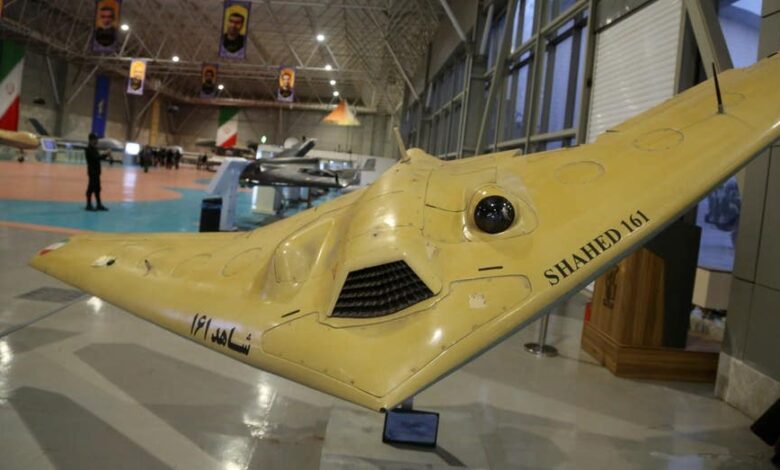
According to the Islamic Revolutionary Guard Corps (IRGC), the specific objective was a radar system located at Sheikh Isa base. Bahraini officials issued a security alert urging residents to take shelter as the drones approached. The country’s air defense systems intercepted the incoming threats, and authorities declared an all-clear later in the morning. Bahrain reported no deaths or injuries resulting from the incident.
U.S. Central Command (CENTCOM) corroborated the outcome of the strike, stating that the drones did not reach their intended target. The command confirmed that the projectiles were intercepted without any damage to U.S. equipment or injury to American personnel. This assessment aligns with the official positions of both Bahrain and the U.S. military, distinguishing the confirmed interception of the threat from any unverified claims of successful impact or damage.
The Tuesday attack was part of a broader pattern of Iranian aerial activity in the region. On Sunday, the IRGC claimed that six of its drones targeted a radar system at the Al-Riffa helicopter base, another U.S. installation in Bahrain. Bahrain stated that its air defenses repelled this wave of strikes as well. Prior to these incidents, on Friday, Iran launched its first major attack in two months against a U.S. radar installation in Bahrain. CENTCOM reported that American forces shot down both drones involved in that initial Friday incident, again resulting in no casualties.
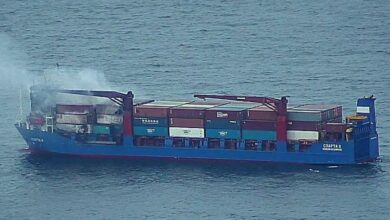
These military actions are occurring in parallel with heightened tensions in the Strait of Hormuz, a critical waterway through which approximately one-fifth of global oil supplies passed daily before the conflict began. The IRGC reported that two fuel tankers were struck in the strait, an event that has increased the frequency of attacks on commercial shipping. The U.S. has maintained a naval blockade on Iran, a strategy President Donald Trump has described as keeping the Iranian economy under pressure. Trump has indicated that this blockade will remain in place as long as Tehran continues to disrupt traffic in the Strait of Hormuz.
Diplomatically, the situation remains complex. Oman and Iran have engaged in discussions regarding the management of shipping through the strait. However, the United States has not participated in these bilateral talks. President Trump has signaled that he would reject any transit arrangement negotiated without Washington that grants Tehran control over the waterway. According to Reuters, Trump has also told advisors that he may refrain from further attacks on Iran if there are no additional provocations from the IRGC or the Houthis, an Iran-backed group active in Yemen.
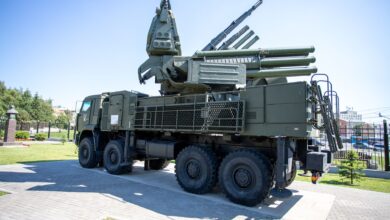
The resumption of strikes on U.S. radar systems highlights the strategic importance of electronic warfare and surveillance capabilities in the current conflict. By targeting radar infrastructure, the IRGC aims to degrade the situational awareness of U.S. forces, potentially exposing operational vulnerabilities. However, the consistent successful interception of these drones by Bahraini and U.S. air defenses suggests that current counter-drone capabilities are effective in preventing immediate physical damage to U.S. assets.
The broader strategic picture remains fluid. While the U.S. maintains its naval blockade and air defense posture, the inability to secure a diplomatic resolution for the Strait of Hormuz leads to continued friction. The distinction between the announced targets of the IRGC and the confirmed outcomes reported by CENTCOM and Bahraini officials is clear: no U.S. personnel were harmed, and no equipment was damaged in the recent series of attempts. The focus now shifts to whether these strikes represent a sustained campaign of harassment or isolated acts of provocation, and how the U.S. and its allies will respond to the continued disruption of energy supplies in the Gulf.
As the conflict enters a new phase, the balance between military deterrence and diplomatic negotiation remains precarious. The U.S. stance is clear in its rejection of Iranian control over the strait, while Iran continues to test the limits of American and regional air defenses. The next few days will likely see continued monitoring of shipping lanes in the Strait of Hormuz and vigilance at U.S. bases in Bahrain, with the potential for further escalation if the current pattern of drone strikes and tanker attacks persists.



One Comment