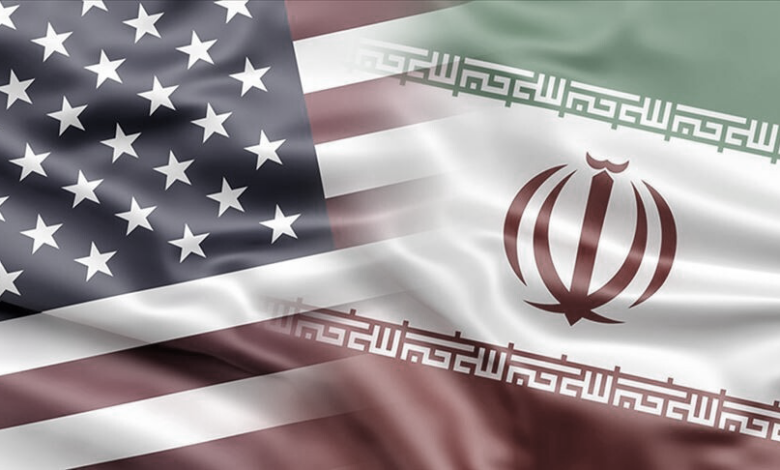
The intelligence findings, described by the officials as sourced from intercepted communications and analytical assessments, suggest that Iran is not only conceptualizing an attack on the US capital but has also identified and secured materials within its own borders that could be used for bomb construction. The specific threat profile includes the use of a “dirty bomb“—a weapon that combines conventional explosives with radioactive material—and the potential deployment of chemical agents.
It is technically distinct to note that a dirty bomb, or radiological dispersal device (RDD), does not rely on a nuclear chain reaction. Unlike a nuclear weapon, an RDD does not produce a massive blast or intense thermal radiation. Instead, its primary destructive mechanism is the dispersion of radioactive contamination over a wide area, posing long-term health risks and severe psychological and economic disruption due to the decontamination of affected zones. The simultaneous mention of chemical weapons suggests a multi-vector threat assessment, implying that Iranian planners may be evaluating options to maximize impact or create overlapping zones of harm.
Despite the gravity of the allegations, US officials emphasized a critical distinction between capability and imminent intent. The seven sources indicated that the intelligence community is divided on the reliability and immediacy of the threat. The prevailing view among these officials is that these findings represent Iran’s evaluation of strategic options rather than a finalized operational plan for an imminent strike. In military terms, this suggests a posture of deterrence and optionality rather than active preparation for execution. The officials noted that while the planning is real, it does not currently signal a near-term operational timeline.
The White House responded to the reports with a measured tone, aiming to reassure the public while acknowledging the intelligence activity. Press Secretary Lauren Bis stated that the administration is monitoring all potential threats but asserted that “there is currently no credible threat to our country.” This official stance aligns with the intelligence community’s assessment that the threat, while present in the planning phase, has not crossed the threshold into an imminent operational danger. The administration’s response serves to manage domestic anxiety without conceding that the intelligence findings indicate a high probability of an attack.
Tehran has firmly rejected the allegations. A spokesperson for Iran’s Permanent Mission to the United Nations characterized the claims as baseless and denied any involvement in planning such attacks. The spokesperson reiterated Iran’s stance that the use of chemical weapons is illegal under all circumstances, referencing international humanitarian law and the Chemical Weapons Convention. By denying the allegations, Iran seeks to maintain its diplomatic standing and avoid providing a pretext for further US military or economic pressure. The denial is a standard diplomatic counter to intelligence-based accusations, particularly when the evidence is not publicly disclosed.
The intelligence picture is further complicated by a separate, closely monitored stream of information regarding Iran’s potential use of chemical weapons against US forces stationed in the Middle East. While the Washington-based threat is the subject of the current reports, the broader context of US-Iranian tensions includes the safety of deployed troops in the region. The US government is reportedly tracking this secondary threat vector with equal vigilance, indicating a comprehensive threat assessment that spans both the homeland and forward-deployed assets.
Strategically, the revelation of such planning highlights the evolving nature of asymmetric threats. The use of radiological and chemical weapons by a state actor against a major power’s capital would constitute a profound violation of international norms and potentially trigger a massive retaliatory response. The fact that such plans are being developed, even if only as options, underscores the depth of the hostility between Washington and Tehran. It also raises questions about Iran’s internal security and the potential for non-state actors to access such materials if the state’s control were to weaken.
The next phase of this development will likely involve further intelligence collection and diplomatic signaling. The US intelligence community will continue to assess the reliability of the intercepted communications and the physical status of the stored materials. Meanwhile, the White House and the Department of State will balance the need for transparency with the necessity of protecting sensitive intelligence sources and methods. The unresolved military question remains whether these plans are purely theoretical deterrent tools or if they represent a genuine shift in Iran’s strategic calculus toward direct confrontation with the United States.