
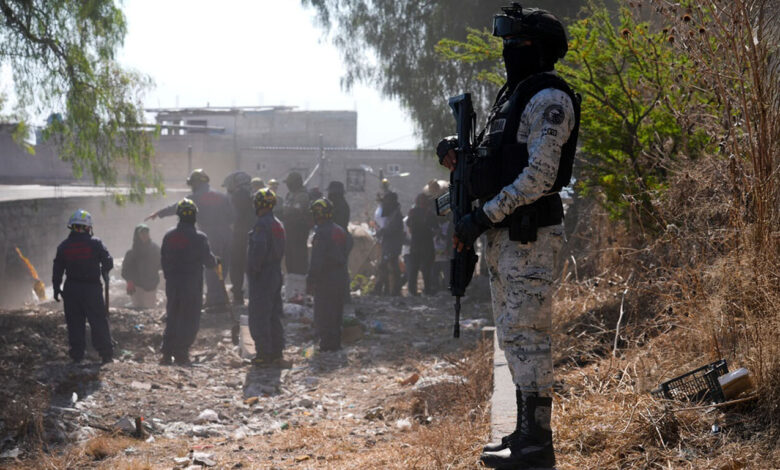
The transfer signifies a decisive break from the National Guard’s original conception. Created in 2019 during the administration of President Andrés Manuel López Obrador, the Guard was intended to replace the Federal Police (Policía Federal) and serve as the front line against escalating criminal violence. While the force was nominally designed as a civilian body, its operational reality has long been characterized by military logic. The Guard incorporated both former federal police officers and battalions from the army and navy, and it has been led by commanders with military backgrounds. In practice, this hybrid model led to repeated instances of excessive use of force and drew sustained criticism from civil society groups who argued that the force reproduced the very military-led security policies the administration had initially promised to move away from.
With the formal integration into SEDENA, the distinction between military and civilian policing is effectively dissolved. Mexico now lacks a nationwide civilian police force, operating instead with four military institutions, including the navy. Experts note that while the Guard will continue to be tasked with implementing civilian security policies, it must now answer to a military hierarchy. Daira Arana, executive director of the thinktank Global Thought and an expert on civil-military relations, highlights the implications of this shift. She points out that the armed forces have historically operated with limited civilian oversight and a high degree of opacity regarding the management of their resources and operations. The reform raises significant concerns about how this new chain of command will affect coordination among Mexico’s various security institutions and whether it will improve or exacerbate existing issues of accountability.
The political and operational stakes of this militarization are underscored by recent events on the ground. In the state of Jalisco, the security environment has become increasingly volatile. Following the killing of a notorious cartel leader known as “El Mencho,” 25 National Guard troops were killed. This incident illustrates the intense level of threat faced by security forces in key drug-trafficking corridors and the high human cost of the ongoing conflict. The integration of the Guard into the military command structure means that such losses are now part of the broader operational record of the armed forces, further blurring the line between domestic policing and military engagement.
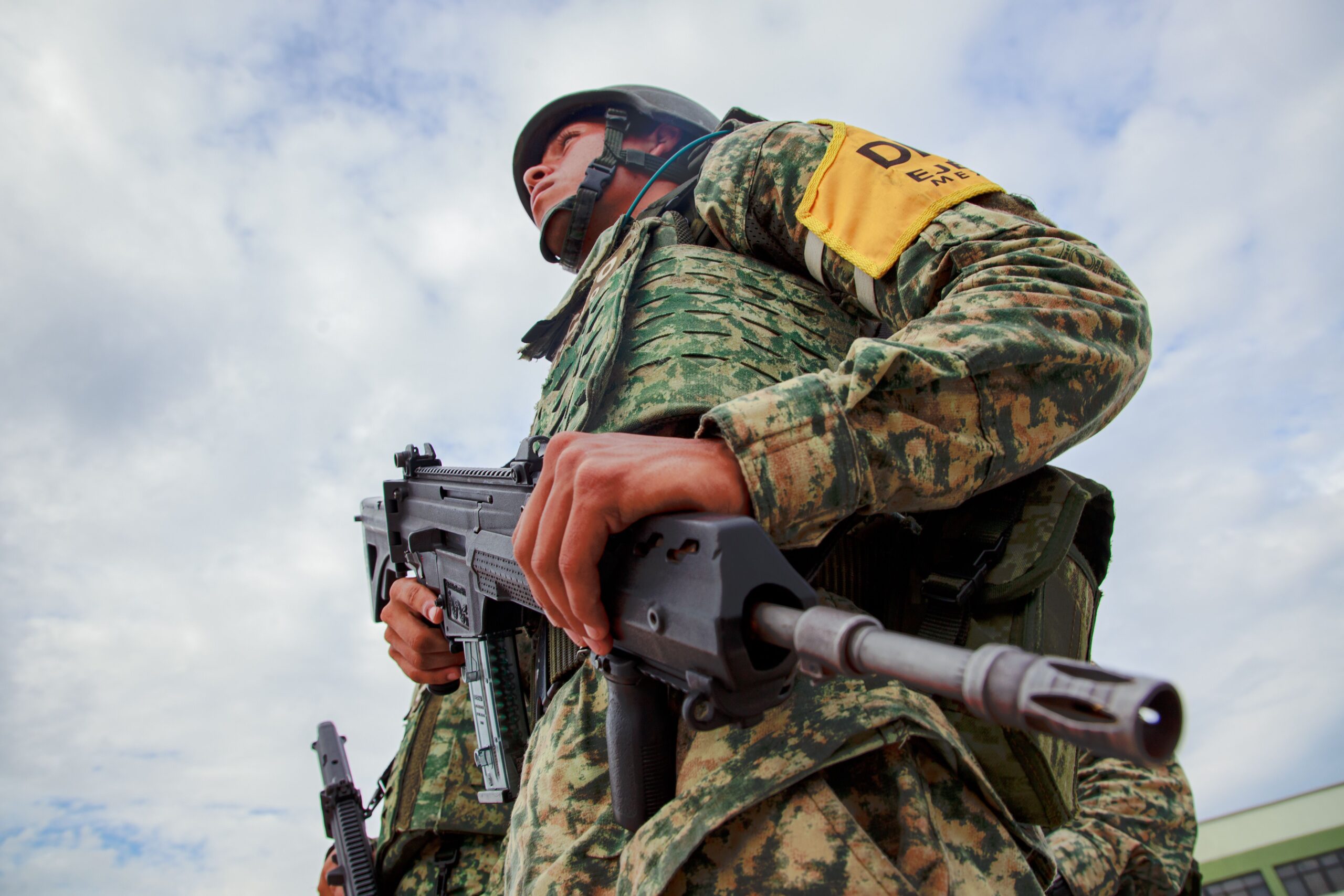
The reform represents a doubling down on the militarization of public security in Mexico. By placing the National Guard under SEDENA, the government has extended the long-standing trend of relying on the military to manage internal security. This approach contrasts with models where civilian police forces are strengthened and given primary responsibility for law enforcement. The move consolidates power within the military sphere, leaving little room for independent civilian oversight of day-to-day policing activities. For the public, this means that interactions with security forces are increasingly likely to involve personnel bound by military discipline and operational protocols rather than standard policing guidelines.
Critics and civil society organizations have long argued that the militarization of security leads to human rights violations and a lack of transparency. The formal transfer to the Defense Ministry validates these concerns by structurally embedding the Guard within an institution that has historically been opaque. While the government may view this as a necessary step to enhance coordination and force effectiveness against organized crime, the change removes a layer of civilian accountability that was theoretically present under the SSPC. The outcome of this structural shift remains uncertain, with key questions unresolved regarding how the Guard will operate in practice and whether it will succeed in reducing violence or if it will face the same operational and ethical challenges that have plagued previous military-led security strategies. The next political development will likely center on the operational outcomes of this new command structure and the extent to which civilian oversight mechanisms can be maintained or enforced within the rigid hierarchy of the Defense Ministry.