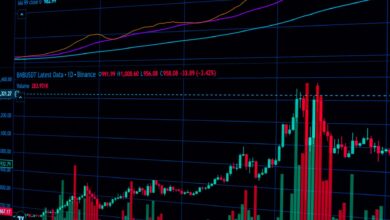
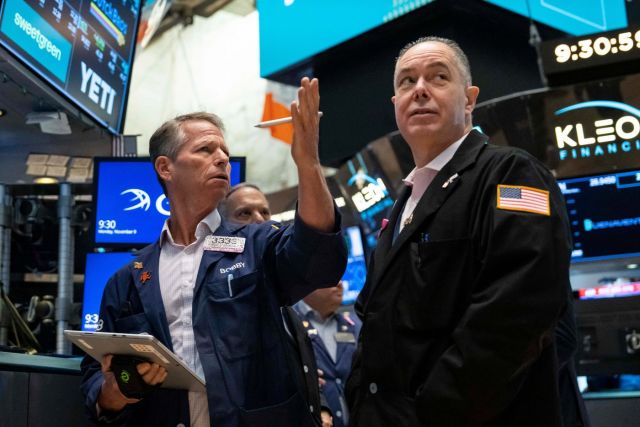
The primary catalyst for this risk-off movement was the ongoing turmoil at Nvidia, the world’s leading maker of AI chips. The company’s shares fell 4.1% in early trading, extending a broader decline that has seen the stock drop 35% from its peak. This sharp correction followed the resignation of co-founder and CEO Jensen Huang last week. Huang stepped down amid serious allegations regarding personal conduct, specifically accusations of affairs with two Nvidia employees and another individual alleged to be a Chinese spy. While the scandal is personal in nature, its timing has created significant uncertainty for a company that sits at the center of the global AI boom.
The pressure on Nvidia was compounded by new regulatory actions from the U.S. government. The U.S. Commerce Department moved to close a regulatory loophole that had previously allowed China to rent Nvidia’s computing power from servers located in other countries. This policy shift underscores the increasing geopolitical friction surrounding advanced semiconductor technology and access to high-performance AI infrastructure. For investors, this signal suggests that the era of unrestricted global flow for top-tier AI hardware may be ending, adding a layer of complexity to Nvidia’s long-term revenue outlook.
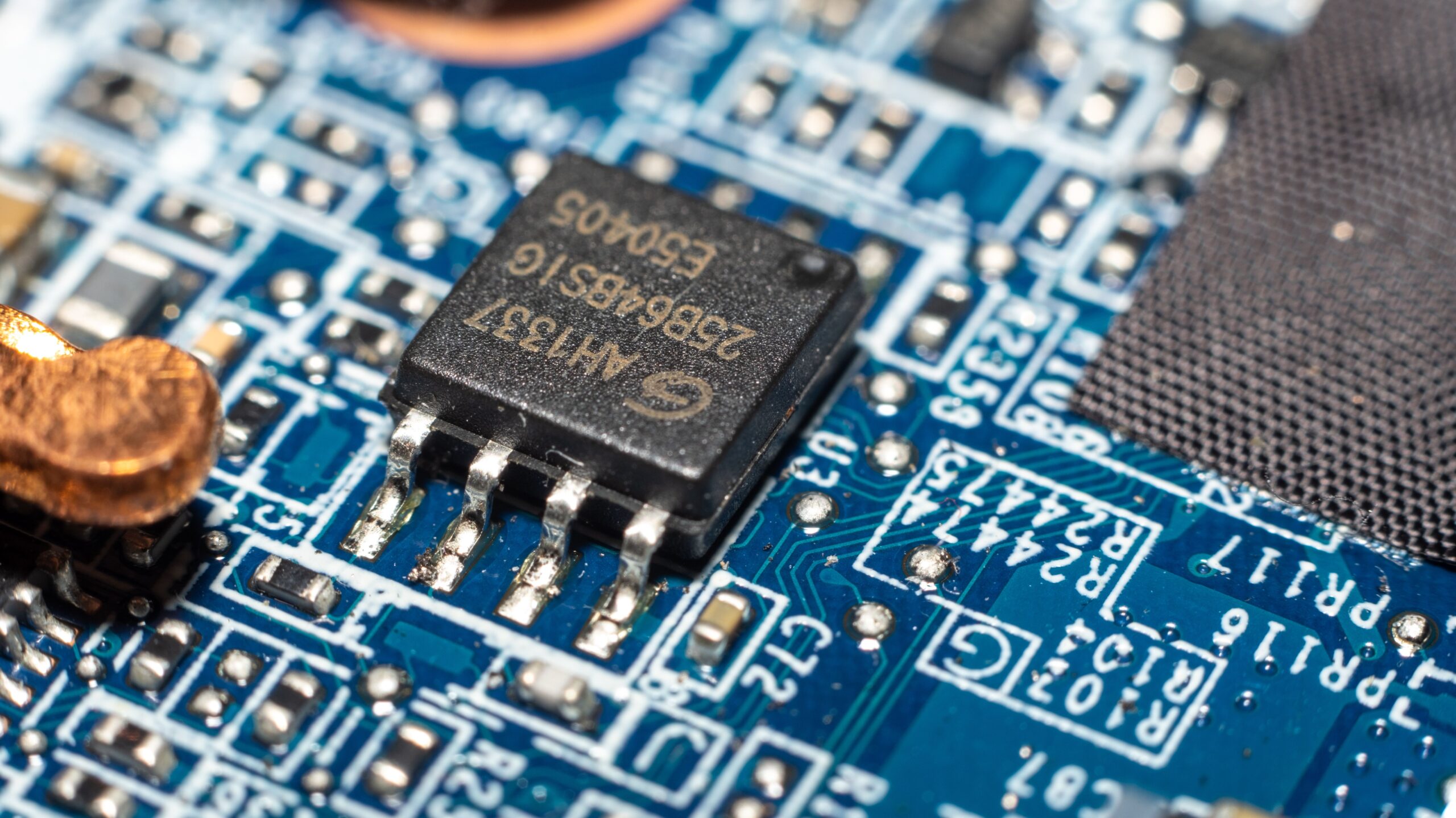
The volatility surrounding Nvidia has had a spillover effect on its peers. The Philadelphia Semiconductor Index, a benchmark tracking major chipmakers, fell 5.3% on Monday. Micron Technology shares declined by 7.6%, and Advanced Micro Devices dropped 5.6%. This broad-based decline in the chip sector indicates that investors are not merely punishing Nvidia for its specific governance issues but are reassessing the valuation and risk profile of the entire AI hardware supply chain.
Market participants are now focused on two critical upcoming events that will serve as a “barometer” for the tech sector’s trajectory, according to Nadia El Bilassy, a market analyst at Equiti Group. First, Nvidia is scheduled to report its third-quarter results on Tuesday evening. Analysts expect the company to post nearly 100% year-over-year growth in both earnings and revenue. However, the market’s attention is expected to shift from these historical figures to forward-looking guidance, particularly regarding how the company will navigate its leadership transition after Huang’s 33-year tenure. Second, on Thursday, Anthropic, an AI company, is set to make a potentially record-setting market debut. The reception of this IPO will test investor appetite for new AI entrants in a market already saturated with high valuations.

The political dimension of the Nvidia crisis has also intensified. U.S. Treasury Secretary Scott Bessent called for a “dramatic shakeup” at the company on Sunday, urging the board to look outside the organization for its next chief executive. In contrast, President Donald Trump voiced support for Huang’s reinstatement on Monday, stating he was open to the co-founder returning to the role. This public disagreement between senior U.S. officials highlights the delicate balance between corporate governance, national security concerns, and the strategic importance of maintaining a competitive AI sector.
For households and businesses reliant on the technology sector, these fluctuations have immediate implications for investment portfolios and employment stability in the tech industry. While the specific earnings figures for Nvidia are expected to remain strong, the uncertainty surrounding leadership and export controls introduces a premium for risk that may persist until the situation stabilizes. The next 48 hours will be critical. If Nvidia’s earnings demonstrate resilience despite the scandal and the new Commerce Department rules, it could signal that the AI investment cycle remains robust. Conversely, any signs of slowing demand or strategic retreat could trigger a deeper correction in tech stocks, potentially affecting broader market confidence. Investors remain on high alert, watching to see if the “shadow” cast by Nvidia’s internal crisis will persist or if the sector can weather the storm and continue its upward climb.