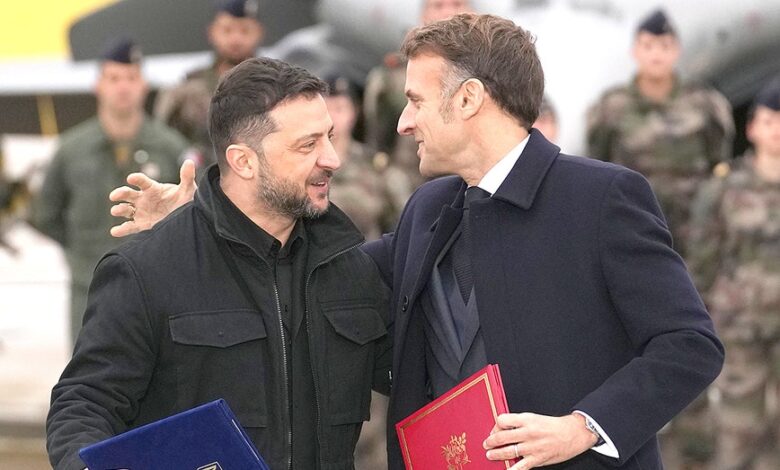
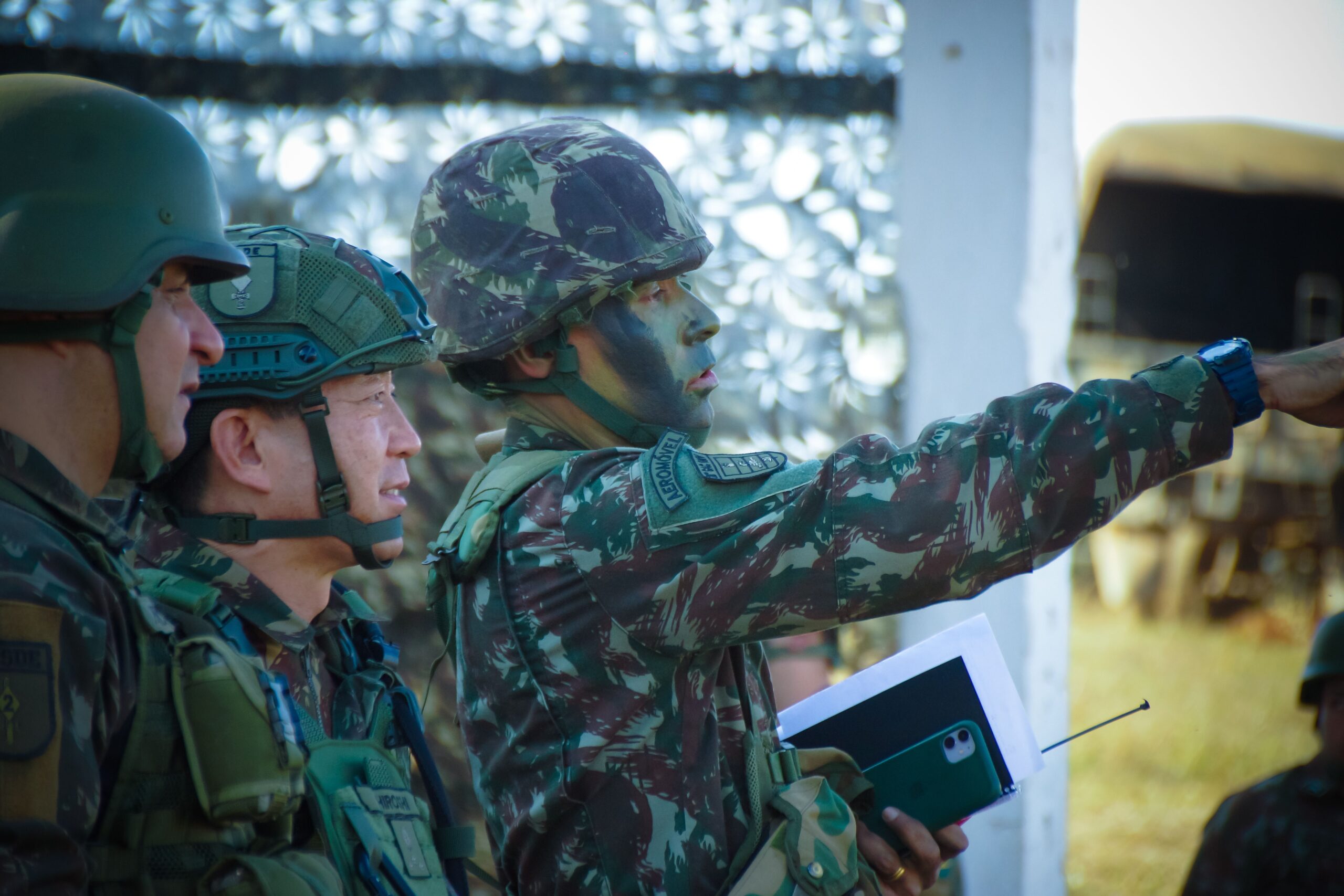
The existence of the mission was revealed through investigative reporting, with RFI citing sources who described the operational structure as “light and flexible.” Personnel reportedly rotate between France, Poland, and Ukraine, operating under the supervision of a French general. Crucially, both RFI and AFP sources emphasized that these French troops are not engaged in direct combat operations. Instead, their role is strictly limited to capacity building and technical support. Le Monde, another major French newspaper, reported that some personnel have worked alongside Ukrainian intelligence units on observation missions closer to the front lines, though the extent of this intelligence collaboration remains a matter of limited public detail.
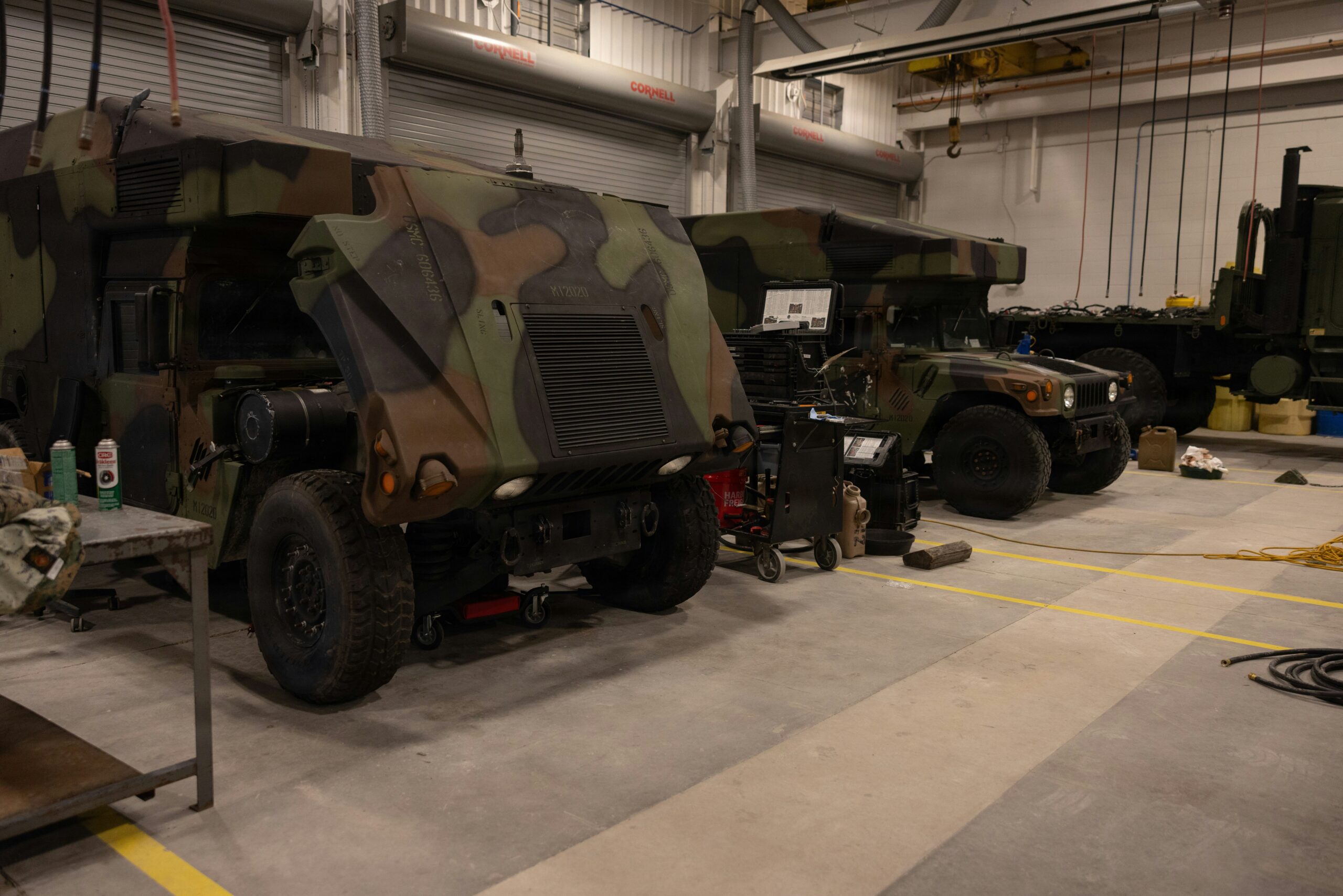
The equipment under French stewardship includes CAESAR self-propelled howitzers, Mirage 2000 fighter jets, and precision-guided missiles. The presence of French technicians for these systems suggests a focus on sustaining the operational readiness of Western hardware in Ukraine’s arsenal. This logistical and technical support is distinct from the provision of new weaponry; it represents a deeper integration of French military expertise into the Ukrainian defense infrastructure. By maintaining these complex systems, France is arguably reducing the long-term dependency of Ukrainian forces on ad-hoc repairs and increasing the sustainability of their air and artillery capabilities.
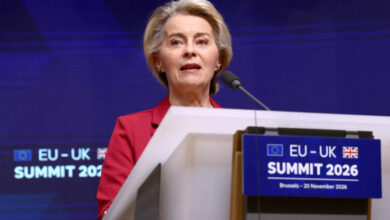
The revelation of “Volia” arrives at a critical juncture for the war, as the United States and European allies pursue renewed, high-stakes negotiations to end Russia’s invasion. The timing of the operation’s disclosure appears deliberate, coinciding with diplomatic efforts to pressure Moscow. Former NATO Supreme Allied Commander Europe, General Philip Breedlove, characterized the mission as a “powerful message” to Russian President Vladimir Putin. Breedlove noted that the action demonstrates that a major NATO ally is standing up for Ukraine both politically and militurally, a signal he argued is necessary for Putin to recognize the resolve of the Western alliance.
“The timing of what the French are doing and their announcement of what they’re doing is important,” Breedlove stated. “A very powerful NATO ally — both politically and militarily — is making a strong statement of support for Ukraine. And this is what Mr. Putin needs to see. He needs to look across the line and see that the Western alliances, NATO in this case, are standing up for Ukraine.” Breedlove further contextualized the stakes, stating, “It’s very important to remember that if Mr. Putin stops fighting, this war ends. If Ukraine stops fighting, Ukraine ends,” describing the conflict as an existential threat that the West must support to an appropriate conclusion.
Strategically, the “Volia” mission blurs the line between humanitarian or technical assistance and active military support. While the troops are not combatants, their presence on the soil of a belligerent state carries significant geopolitical weight. It challenges the traditional distance maintained by Western European nations between their home territories and the active conflict zone. For France, President Emmanuel Macron’s administration appears to be taking a more assertive role, moving beyond diplomatic advocacy to tangible, on-the-ground military contribution. This posture reinforces France’s position as a key pillar of European security, independent of but complementary to U.S. efforts.
The operational constraints of “Volia” are notable. The use of small teams and short-term rotations minimizes the risk of high-casualty incidents that could provoke a broader escalation or diplomatic crisis. This “light” footprint allows France to maintain a tangible presence without committing to a large-scale deployment that would trigger immediate Russian retaliation or violate broader NATO non-aggression postures. However, the involvement in observation missions near the front lines, as reported by Le Monde, introduces higher risk profiles for these personnel, even if they are not in direct combat. This suggests a dual-track approach: safe-zone maintenance and training, combined with high-value intelligence gathering in proximity to the conflict.
The distinction between stated capability and demonstrated performance is clear here. France has long possessed the capability to support Ukraine, but “Volia” represents the demonstrated operational performance of that support within Ukrainian territory. It is not merely a promise of aid, but an active, ongoing logistical and training pipeline. This has implications for deterrence; it signals to Moscow that Western military assets and personnel are present in Ukraine, potentially complicating Russian targeting and decision-making. While no single French soldier is a strategic game-changer, the aggregate effect of sustained training and equipment maintenance contributes to the overall resilience of the Ukrainian military.
The humanitarian and legal dimensions of this deployment are complex. While the troops are not combatants, their presence in a war zone inherently involves risks to civilian populations if their locations are compromised or if they are caught in crossfire. However, the reports explicitly state they are not involved in combat, which aligns with international norms regarding the distinction between combatants and non-combatants in conflict zones. The mission’s focus on training and maintenance supports the Ukrainian state’s ability to defend its territory and protect its citizens, a core tenet of international humanitarian law regarding the right to self-defense.
As negotiations continue, the “Volia” mission serves as both a practical support mechanism and a symbolic gesture of Western commitment. It underscores that the path to peace is being negotiated with military strength as a backdrop. The next phase of the mission will likely depend on the outcome of diplomatic talks; if a ceasefire is reached, the role of these French teams may shift from active maintenance and training to demobilization support or verification of equipment handovers. For now, their presence remains a quiet but significant factor in the strategic balance, signaling that France is prepared to invest in Ukraine’s long-term military capacity directly, inside the country.
The unresolved question remains how Russia will respond to this confirmed presence. While no direct retaliation has been reported, the intelligence community will likely monitor these rotations closely. The “Volia” mission represents a new normal in Western engagement, one where the distance between European capitals and the front lines is narrowing, not through full-scale deployment, but through sustained, covert, and technically focused military collaboration.