
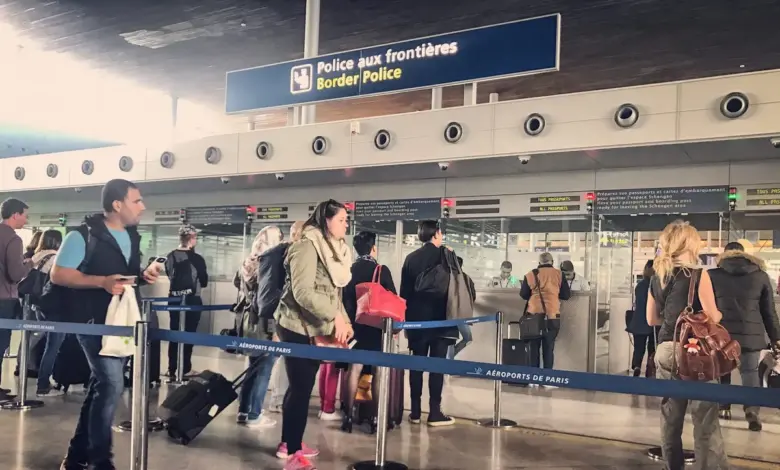
The EES, which replaced manual passport stamping for “third country” nationals—including UK citizens—entering the 29-country Schengen zone, requires travelers to register fingerprints and a facial image at automated kiosks. While the system was officially launched in October last year and became fully operational on April 10, the transition has been uneven. The European Commission has granted a waiver allowing member states to temporarily suspend biometric registration during “exceptional circumstances” in the peak summer season, a measure valid until September 6. This suspension is not a blanket cancellation; it is a temporary pause on the biometric capture to prevent gridlock, while entry and exit tracking continues through other means or manual checks.
The immediate impact on travelers has been significant, though not universal. YouGov data indicates that 75% of Britons had heard reports of potential delays before traveling. Among those who traveled to Europe in the last month, 36% reported experiencing queues specifically to have biometric information recorded. For 27% of recent travelers, the EES increased their total travel time, while 19% cited it as a source of stress or anxiety. However, the majority of travelers remain undeterred in their long-term plans. Fifty-one percent of recent travelers said they are “extremely unlikely” to alter their future travel plans due to their experience, and 39% of Britons plan to travel to Europe in the next 12 months.
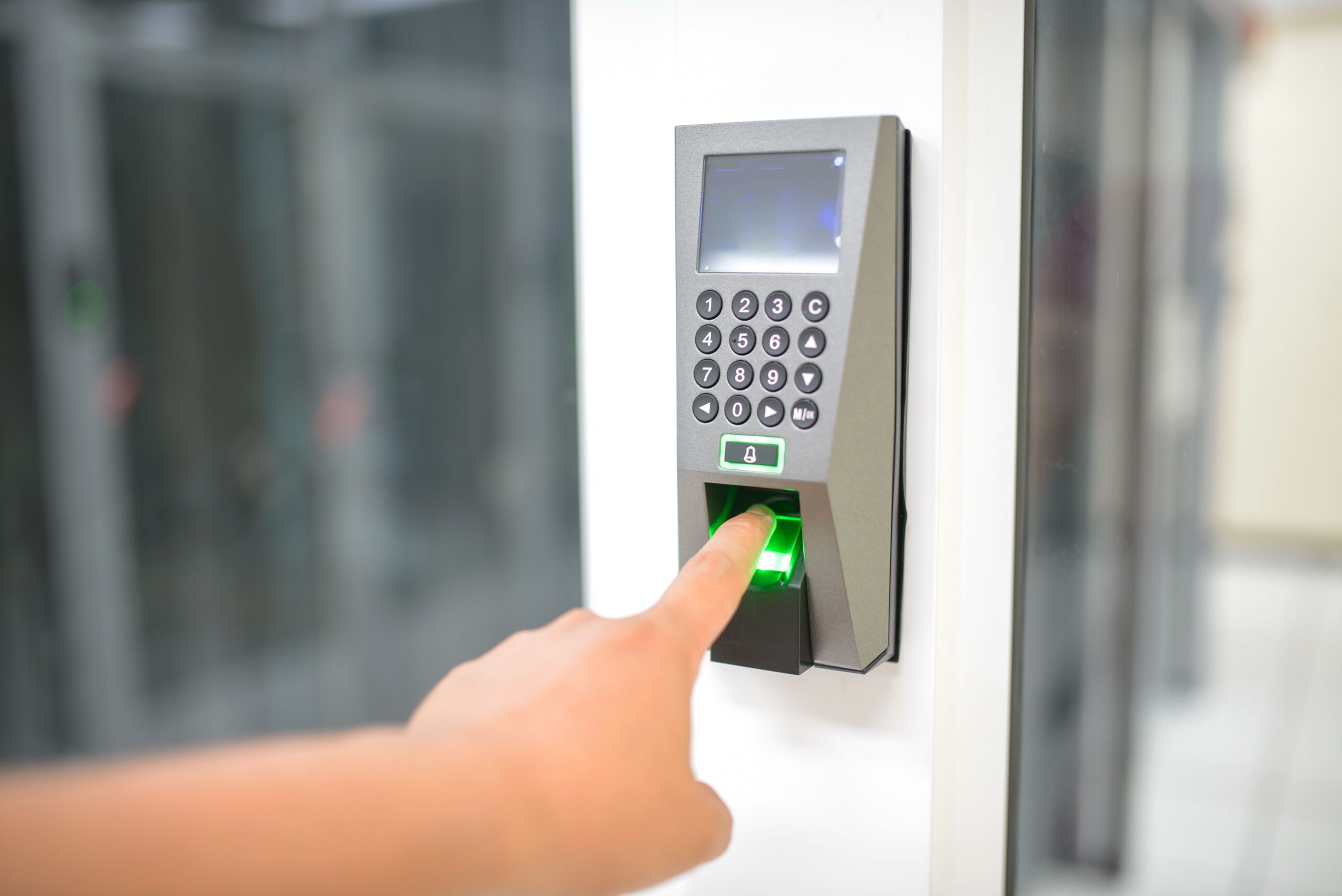
Behind the passenger experience lies a major logistical and technological challenge for the bloc. The system was designed to track who enters and leaves the Schengen area, replacing paper stamps with a digital record kept for three years. EU sources describe the system as a success in terms of security and data capture, noting approximately 200 million registrations to date. The biometric checks have also proven effective in identifying irregularities, with 70,000 people stopped from entering the Schengen area, a figure up from 43,700 in June. These stops include individuals without visas, those who have overstayed their 180-day allowance, and Britons who have exceeded their 90-day limit. The system has also aided in apprehending criminals using forged documents by cross-referencing fingerprint and facial image data.
Despite these successes, the rollout has been plagued by inconsistencies. Nine EU countries, including holiday hotspots like France, Greece, Portugal, and Italy, as well as Germany, Malta, the Netherlands, Switzerland, and Belgium, have requested or received extensions to fully implement the checks at all border points. Spain, which experienced initial teething problems, is now implementing the EES fully. The delays are not countrywide; for instance, fingerprinting has begun at the Eurostar terminal in Brussels and Antwerp port, but not in all airports. Large hubs like Frankfurt and Schiphol are taking biometrics, while smaller airports may still be adapting. Sources indicate that only 12 airports out of 1,500 border crossing points are currently having significant issues, yet these are often the busiest tourist gates.
Airlines are navigating a mixed landscape of liability and customer service. The UK boss of Wizz Air advised passengers to arrive three hours before their return flight, while Ryanair has stated it will not hold flights for passengers delayed by border checks. Other carriers say they will wait “wherever possible.” The Association of British Insurers (ABI) notes that travel insurance is unlikely to cover losses incurred due to EES delays, as it is generally considered the traveler’s responsibility to arrive at the gate on time. This has led to a shift in consumer behavior, with many booking earlier flights or allowing extra buffer time, effectively reducing the capacity for last-minute travel changes.

The economic implications extend beyond individual inconvenience. For the tourism sector, the reliability of transit is a key competitive factor. While the Commission emphasizes the security benefits, noting that the system increases the safety of EU citizens and detects identity fraud that would otherwise go undetected, the travel industry argues that the current implementation undermines the efficiency of air travel. The suspension of biometrics at major hubs like Paris, Amsterdam, Frankfurt, and Milan during peak hours is a concession to operational reality, but it highlights the gap between the system’s design and its capacity to handle mass tourism without significant delays.
As the summer peak continues, the focus shifts to whether the temporary waivers will become a permanent feature of the system’s operation. The next critical test will be the post-summer period, when the waiver expires on September 6. If the 12 problematic airports have not resolved their staffing or technological issues, the EU may face a decision on whether to extend the suspension further or enforce full compliance, potentially risking further disruption to one of Europe’s largest economic sectors. For now, the household budget for European travel remains largely intact, but the time cost of entry has become a new, quantifiable expense.




2 Comments