
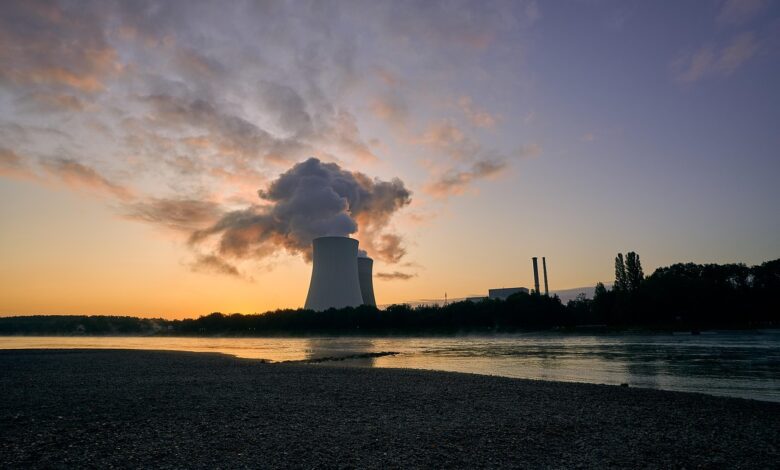
At the center of the current diplomatic debate is the state of Iran’s nuclear program. The UN nuclear watchdog has explicitly stated that a return to diplomacy and negotiations is imperative. This call for engagement underscores the IAEA’s position that technical monitoring and diplomatic dialogue remain the primary tools for maintaining global non-proliferation standards. The agency’s stance places it in a distinct role: not as a party to the geopolitical conflicts, but as the technical arbiter whose reports provide the factual basis for international policy decisions. The emphasis on “imperative” suggests that the window for negotiated solutions is viewed as narrowing, requiring urgent attention from the international community to prevent further escalation.
In contrast to the diplomatic approach urged for Iran, the situation in North Korea presents a more rigid challenge to the IAEA’s oversight role. The agency has reported that North Korea is expanding its uranium-enrichment plant at Yongbyon. This development is significant because uranium enrichment is a key step in the production of weapons-grade material. Unlike the diplomatic channels open to Iran, the IAEA’s access to North Korea is severely limited, making its reports reliant on satellite imagery and other open-source intelligence. The confirmed expansion at Yongbyon suggests a deliberate move by Pyongyang to enhance its nuclear capabilities, a trend that has continued despite years of international isolation. This physical expansion serves as a tangible marker of North Korea’s commitment to its nuclear program, standing in stark opposition to the diplomatic path the IAEA is advocating elsewhere.
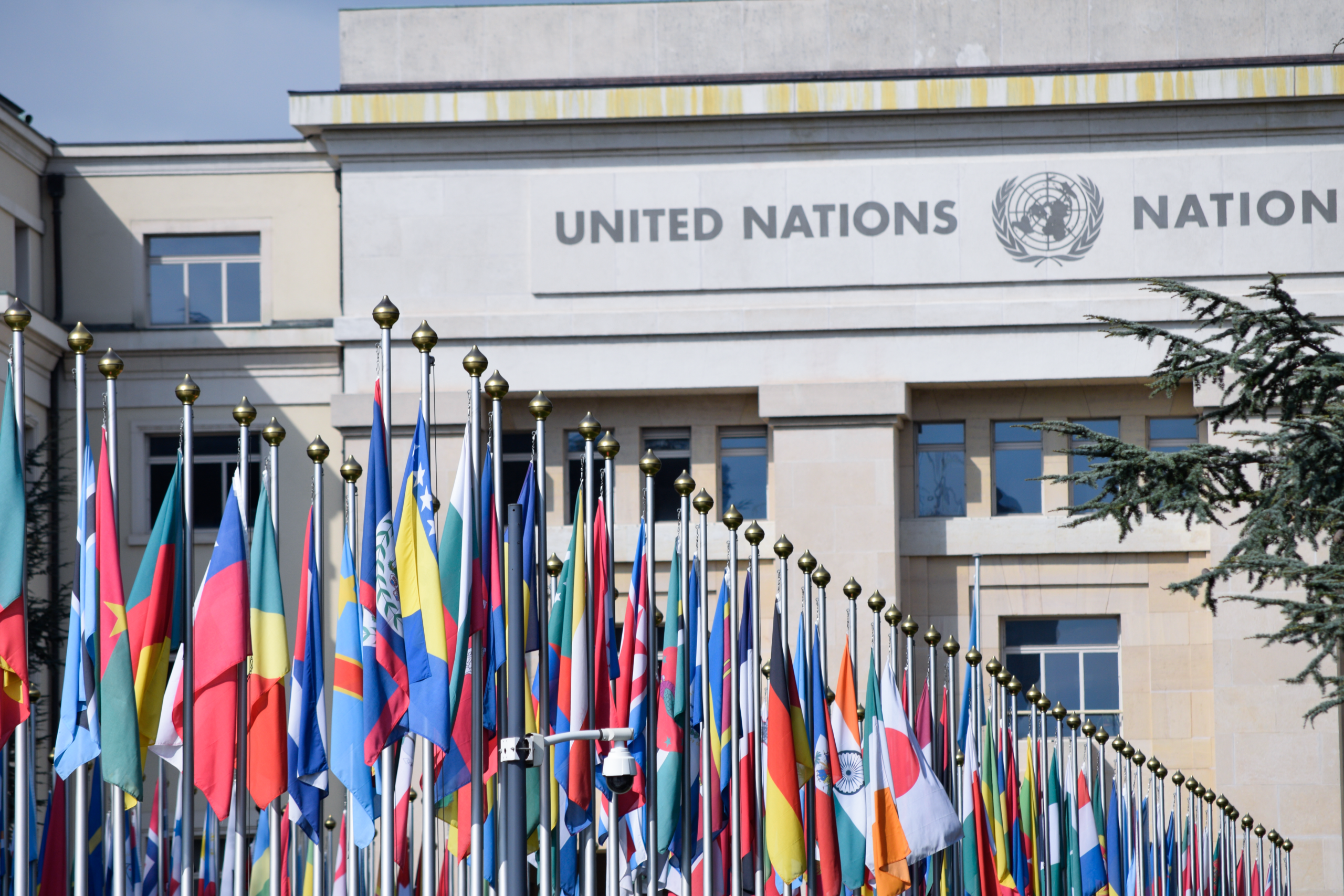
While these external geopolitical pressures dominate the narrative, internal organizational issues are also creating friction. The IAEA has appointed a Russian individual, who is sanctioned by Ukraine, to a top nuclear job. This appointment has highlighted the complex interplay between international institutional independence and the national security policies of member states. Ukraine’s sanctions are a direct response to the geopolitical conflict in the region, and the appointment of a sanctioned individual to a high-level position within the IAEA creates a diplomatic tension. It raises questions about how the agency balances its universal mandate to monitor nuclear activities with the political realities and security concerns of its member states. The IAEA’s decision to proceed with the appointment suggests a prioritization of institutional continuity and technical expertise over political sensitivities, a choice that may face scrutiny from governments currently enforcing strict sanctions regimes.
The juxtaposition of these three developments—diplomatic urging for Iran, documented expansion in North Korea, and a contentious staffing decision—paints a picture of an agency operating under immense pressure. The IAEA must maintain its credibility as a neutral and technical body while navigating the sharp edges of great power competition. For Iran, the message is one of hope and urgency: diplomacy is still the preferred path. For North Korea, the message is one of warning: the expansion of enrichment facilities is being noted and will likely influence future diplomatic and security strategies. For the agency itself, the staffing decision underscores the difficulty of maintaining a truly global and neutral workforce in a world where alliances and sanctions are increasingly defining international relations.

The impact of these developments extends beyond the immediate nuclear sphere. The expansion of North Korea’s uranium-enrichment capabilities could lead to increased regional tensions, potentially affecting energy and security policies in the Asia-Pacific region. The ongoing diplomatic efforts regarding Iran will continue to influence oil markets and geopolitical stability in the Middle East. Meanwhile, the internal dispute over the appointment of the sanctioned Russian official may affect the agency’s ability to recruit and retain top talent from various countries, potentially impacting its operational capacity in the long term.
As the IAEA continues its work, the focus will remain on balancing these competing demands. The agency’s next steps will be closely watched by governments and analysts alike. For Iran, the outcome depends on whether diplomatic negotiations can resume and bear fruit. For North Korea, the expansion of Yongbyon will likely be a focal point in future security discussions. And for the IAEA itself, the challenge will be to maintain its technical authority and diplomatic neutrality in an increasingly polarized world. The coming months will test the agency’s ability to fulfill its mandate in the face of these divergent challenges.

3 Comments