
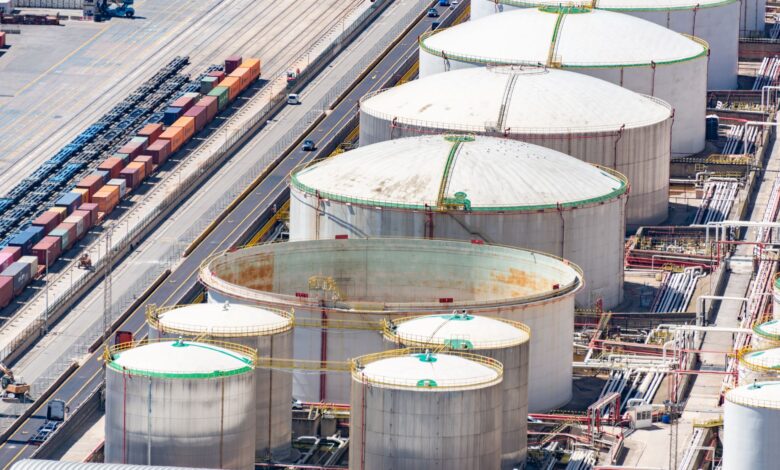
Oil Minister Basim Mohammed Khudair stated that the initial flow rate was set at 120,000 barrels per day, with plans to increase output gradually to 500,000 barrels per day, though no specific timetable was provided. The Iraqi Council of Ministers also endorsed a recommendation on Tuesday to rehabilitate the pipeline, approving a proposal from the Economic Affairs Council to renew the line. No further details on the scope of the rehabilitation work were disclosed.
The Kirkuk-Ceyhan pipeline links oil fields in northern Iraq to the port of Ceyhan. It was taken out of service in 2014 following repeated attacks by the so-called Islamic State terrorist group. This route offers Iraq an alternative to its southern export terminals, which traditionally ship oil through the Strait of Hormuz. The impact on overall export volumes will depend on the availability of oil and whether these shipments are in addition to existing exports, according to Reuters. Iraq and Turkey agreed in August on a one-year arrangement to maintain shipments while negotiations continue on a longer-term deal, based on the line’s capacity of up to 750,000 barrels per day.
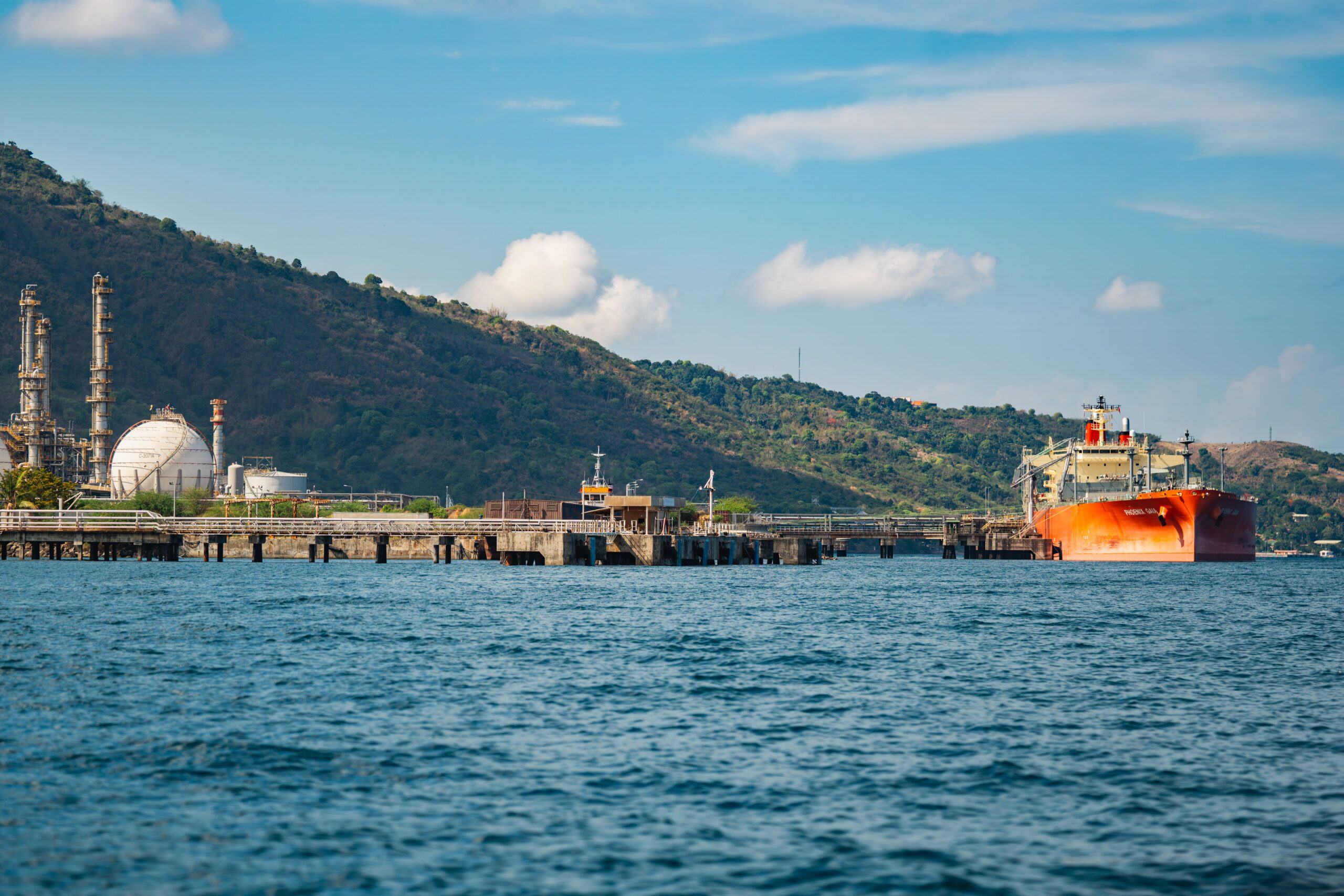
Concurrently, the International Energy Agency (IEA) released a warning that the geopolitical landscape for energy security has fundamentally shifted. IEA Executive Director Fatih Birol wrote in a guest essay for The Economist that he sees no “credible pathway” back to the situation that existed in February 2026. “Shipping flows through the Strait of Hormuz have been blocked once, with a hugely disruptive effect on oil and gas markets. It can happen again,” Birol wrote. He warned that confidence in the strait as a safe and reliable corridor for energy and other goods has been “crushed.”
Birol noted that while Gulf crude exports recovered to more than 80% of pre-war levels in October, renewed U.S.-Iran strikes broke a lull in direct fighting this week. He added that perceptions of risk around the strait have changed permanently, citing the development of new routes such as pipelines in Saudi Arabia and the United Arab Emirates that bypass the waterway. At 6:45 a.m. ET, U.S. West Texas Intermediate futures were trading at $85 a barrel, while international benchmark Brent crude futures stood at $92.74 a barrel.
The IEA chief predicted that the crisis would accelerate a shift toward domestic energy sources, including cost-competitive solar and wind, and renew interest in nuclear power. However, he emphasized that this transition requires stronger grids and battery storage. “Uncertainty is now the rule, not the exception, so energy decision-makers need to be wary of creating new dependencies, even as they seek to address old ones,” Birol said. Many IEA members relied on emergency oil stocks to soften economic disruptions, while Southeast Asian countries such as the Philippines and Thailand are now looking to build similar buffers after being hardest hit by the energy shock.



One Comment