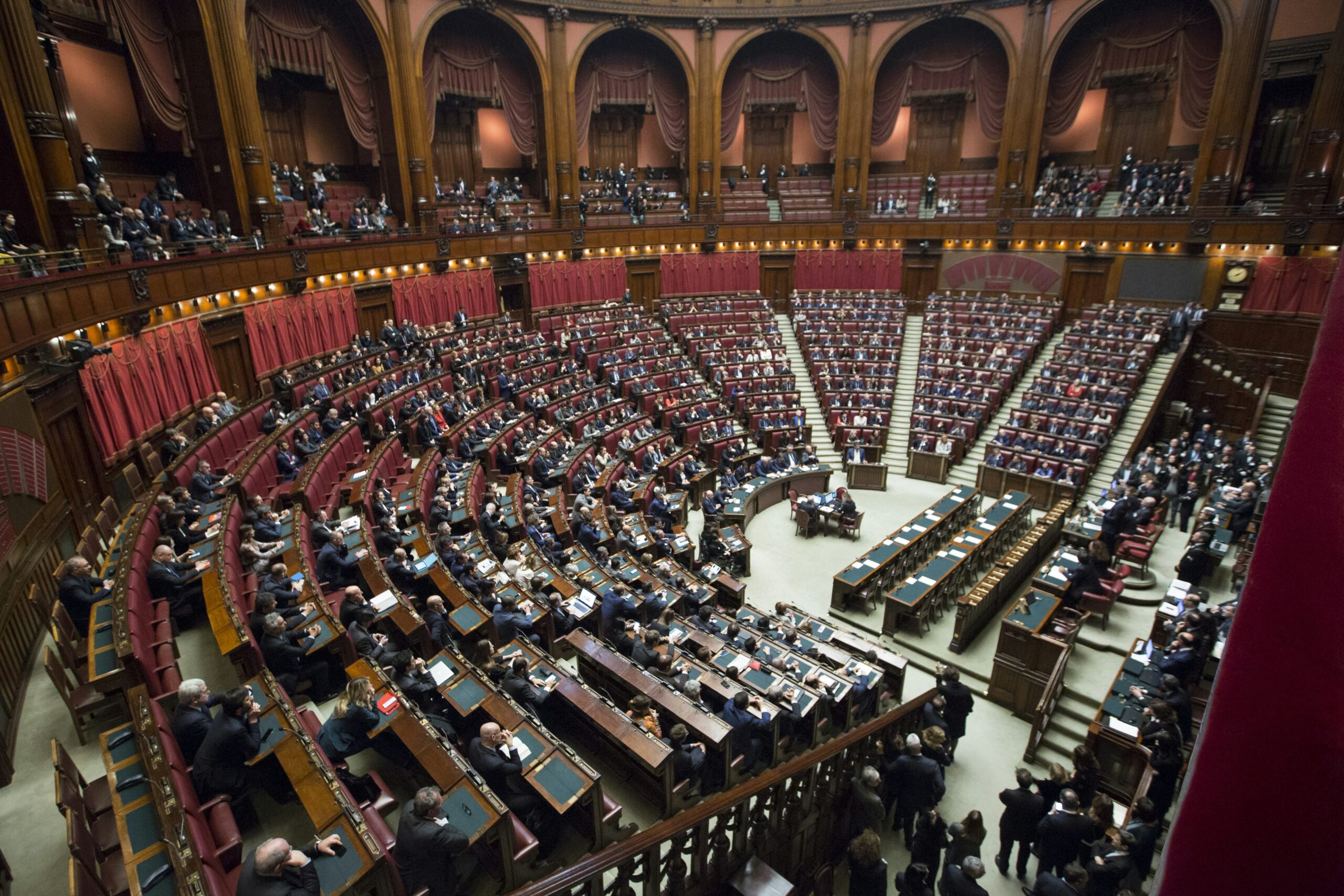
The domestic tension centers on the “unforgiving math” of Malaysian politics. The current government, formed after the 15th General Election resulted in a hung parliament, relies on the cooperation of UMNO, the Sabah People’s Coalition (GRS), and the Sarawak Parties Alliance (GPS). While this grand coalition has survived longer than the previous PH-led administration, which collapsed after only 22 months in 2020, its ideological foundations remain fragile. UMNO, which dominated Malaysian politics for decades, has openly advocated for leniency toward Najib, a stance that conflicts with Anwar’s anti-corruption platform and the rule of law.
Najib, who led UMNO and the Barisan Nasional (BN) coalition, is currently serving a 12-year prison sentence for corruption charges linked to SRC International, a subsidiary of the state fund 1Malaysia Development Berhad (1MDB). The 1MDB scandal, which exposed alleged theft of more than $4.5 billion between 2009 and 2014, remains a defining political issue in Malaysia. Najib was convicted in July 2020 and began his sentence in August 2022 after exhausting appeals. However, in February 2024, the Pardons Board granted him a partial royal pardon, a move that has emboldened UMNO to push for further clemency. For Anwar, whose political rise was built on fighting graft, any perceived compromise on Najib’s case undermines the moral authority of his “Madani” government. As the next general election approaches in 2028, maintaining control over this uneasy coalition is becoming a matter of political survival rather than just governance.
Compounding these domestic challenges are Anwar’s recent foreign policy statements, which have drawn sharp criticism from both the West and Taiwan. In an interview with Al Jazeera, Anwar stated that he views Taiwan “as part of China, period,” asserting that this position is “accepted by all.” When pressed on whether he would condemn China if it used force to reunify Taiwan, Anwar drew a parallel to Malaysian sovereignty, stating that he would use force to protect the “sanctity and unity” of Malaysia if a state attempted to break away.
These remarks were praised by the Chinese Ministry of Foreign Affairs, which reiterated that Taiwan is an “inalienable part of China’s territory.” Conversely, the Taiwanese government condemned the comments, warning that Anwar’s “one-sided support for China” could negatively impact Taiwanese business confidence in investing in Malaysia. This is a significant economic concern, as Taiwan is a major investor in Malaysia’s crucial semiconductor industry. In response to local media inquiries, Anwar attempted to walk back the controversy, emphasizing that Malaysia respects China’s position but favors a peaceful resolution to tensions in the Taiwan Strait.
Anwar’s diplomatic posture has been further scrutinized by his calls to bolster Malaysia’s defenses in the Bornean state of Sabah. He cited the development of US-backed military facilities in the neighboring Philippines as justification for increased defense spending. Specifically, he pointed to the island of Balabac, located 50 kilometers from the Malaysian islands of Banggi and Balambangan, which was recently added to the Enhanced Defence Cooperation Agreement (EDCA) between Washington and Manila. The EDCA grants US forces access to designated locations in the Philippines.
Western commentators have interpreted these moves as evidence that Malaysia is turning against the West and aligning with China, breaking from the country’s traditional non-aligned stance. This perception is reinforced by China’s growing economic presence in Malaysia; Beijing is now Malaysia’s largest trade partner, and the country has been a major recipient of Chinese investment under the Belt and Road Initiative. However, Anwar’s government maintains that its actions are driven by national security and economic pragmatism rather than ideological alignment. The challenge for Anwar is to navigate these competing pressures—managing a coalition partner that seeks to shield a convicted former leader from justice, while simultaneously balancing economic reliance on China with security concerns raised by the United States and its allies. The next two years will be decisive in determining whether the unity government can survive the political runoff ahead of the 2028 election.