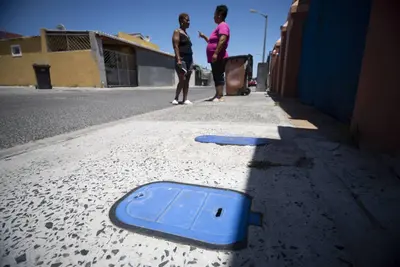
The primary driver for this escalation is the strain placed on the treated bulk water supplied by Rand Water. High consumer demand is preventing reservoirs and water towers from maintaining sufficient storage levels, thereby limiting their capacity to recover following supply interruptions. To stabilize the system, Johannesburg Water’s assessment identifies a critical need to reduce daily demand by 200 million litres.
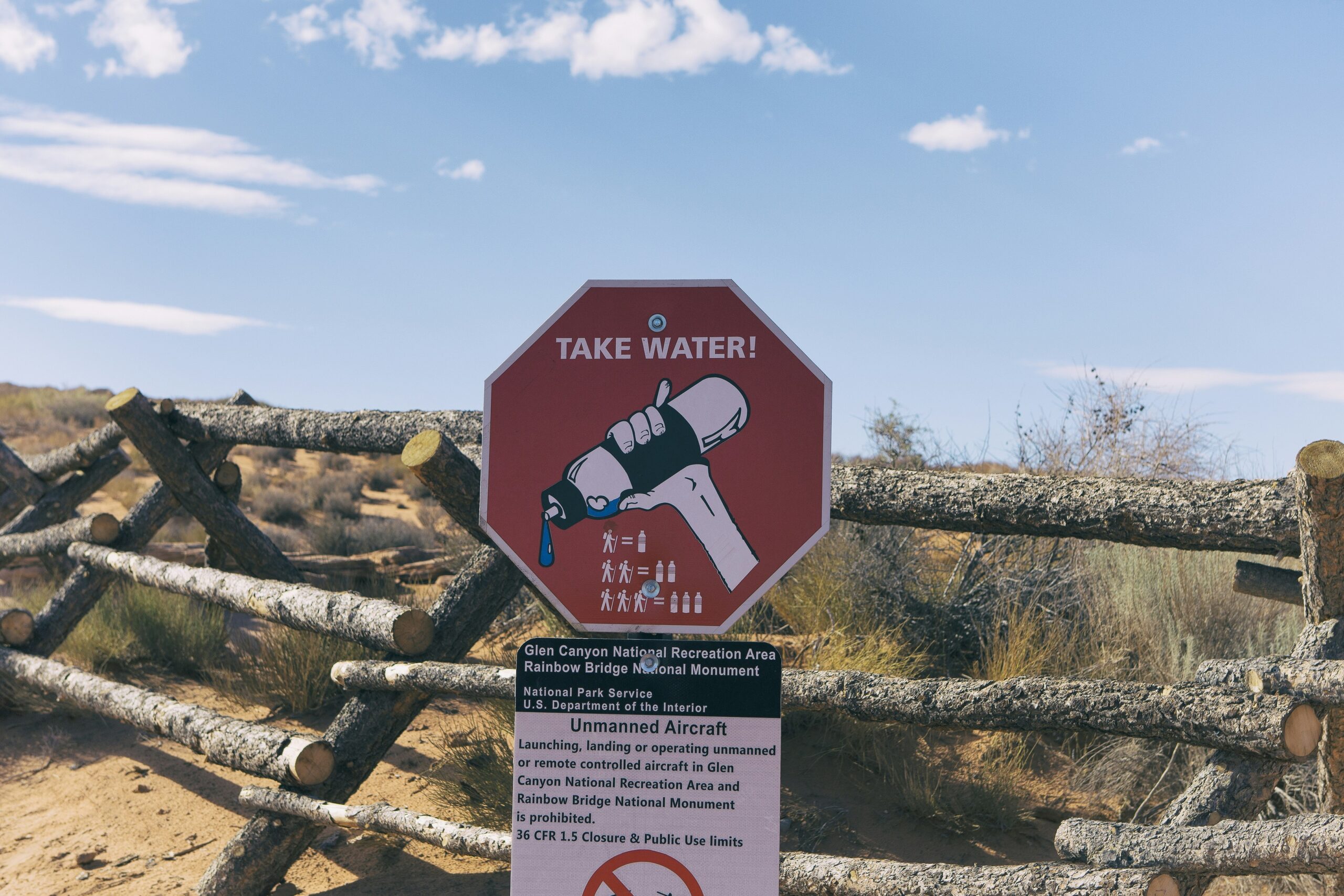
Under the Level 2 restrictions, the use of municipal drinking water for non-essential purposes is prohibited at all times. Specifically, the watering of gardens, lawns, parks, and public spaces is banned, replacing the limited watering hours previously permitted under Level 1 restrictions. Additionally, hosing down driveways, paved areas, and sidewalks, as well as dampening building sand with municipal water, is no longer permitted. These prohibitions apply universally to residential, commercial, and institutional consumers.
The restrictions extend to municipal operations as well. City departments and entities are required to cease irrigating public spaces with drinking water. The Johannesburg Roads Agency and its contractors must switch to using treated effluent from the city’s wastewater treatment works for road construction purposes, while Johannesburg Water and its contractors must use treated effluent for jetting activities. Non-compliance may result in enforcement actions under the City of Johannesburg Water Services By-laws.
Alongside usage bans, the city is introducing a financial mechanism to curb consumption. Approved Level 2 restriction tariffs for the 2026/27 financial year will come into effect on 1 December, ten days after the usage restrictions begin. The new pricing structure is designed to be progressive, imposing steep penalties for high consumption. For conventionally metered dwelling units, the first six kilolitres (6,000 litres) are charged at R7.80 per kilolitre. However, the rate jumps to R37.48 for consumption between six and 10 kilolitres, rising to R41.51 for the 10–15 kilolitre band, and R59.82 for the 15–20 kilolitre band.
For heavy users, the costs escalate sharply. Consumption between 20 and 30 kilolitres will be charged at R83.57 per kilolitre, while the 30–40 kilolitre band costs R90.60. The rate increases to R128.72 for the 40–50 kilolitre band, and consumption above 50 kilolitres will attract a rate of R165.41 per kilolitre. These tariffs vary based on property type, meter type, and customer category. Furthermore, Johannesburg Water plans to implement flow-management measures, including throttling supply volumes by 20% in deemed-consumption and prepaid areas in high-consumption zones if voluntary restrictions do not achieve the required demand reduction.
The move by Johannesburg follows similar actions by neighboring municipalities. Tshwane implemented Level 2 restrictions earlier this month, and the City of Cape Town has also introduced Level 1 restrictions due to comparable pressures on supply. The coordinated response across the region highlights the severity of the water stress affecting South Africa’s major metropolitan areas.
While enforcement and tariffs are central to the strategy, the utility is also urging immediate behavioral changes. Residents are advised to fix leaking taps, toilets, and pipes, take shorter showers, ensure taps are turned off when not in use, and run washing machines and dishwashers only with full loads. Using buckets instead of hosepipes for vehicle washing and safely reusing suitable greywater for non-drinking purposes are also recommended. Johannesburg Water states it will intensify leak detection and repairs, pressure management, and public awareness initiatives.
The restrictions are set to remain in place until further notice. The city will continue to review the measures against actual water demand, reservoir levels, and prevailing supply conditions to determine when it is safe to relax the prohibitions.