
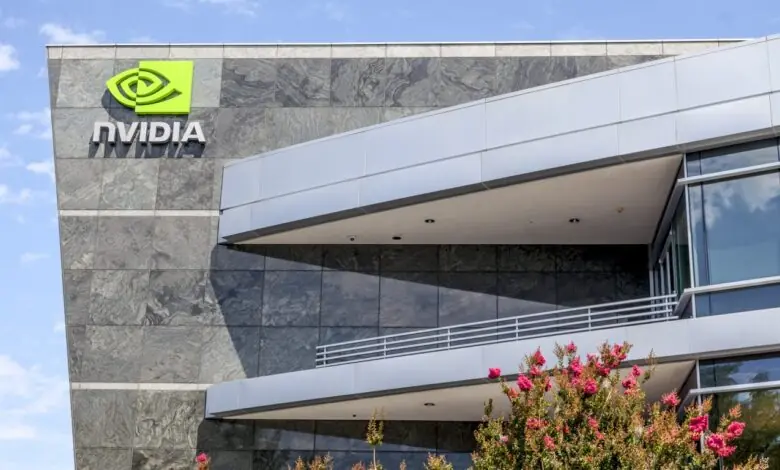
The portfolio rebalancing involved significant reductions in other tech giants. Tiger Global cut its TSMC stake by 36% to 3.13 million shares and reduced its Alphabet position by 42%. The fund also trimmed holdings in Lam Research, Applied Materials, Sea, and Meta. Notably, Nvidia itself reduced its stake in Intel by 25% during the same period, selling down from 214.78 million shares to 161.08 million shares in its own 13F filing. Intel shares have fallen 39.45% over the past month, trading at $55.91, though analysts note the stock remains up 47.43% year-to-date.
Market volatility has sharply impacted the value of these positions since the filing date. Nvidia’s stock closed at $155.46 on Tuesday, a 31.9% drop from its September 30 close of $228.38. This decline followed a board inquiry into former CEO Jensen Huang’s conduct and his subsequent resignation on November 12. At the current price, Tiger Global’s 12 million shares are worth approximately $1.87 billion, a decrease of $875 million from their value at the end of the third quarter. TSMC, which Tiger Global sold down, also fell 21% from its September 30 close to $359.69.

Despite the stock price slide, Nvidia reported robust financial results on Tuesday, marking its first quarter without Huang as CEO. Revenue for the fiscal third quarter reached $115.84 billion, up 103% year-over-year and exceeding the LSEG consensus of $109.1 billion. The company guided fourth-quarter revenue to $130 billion, roughly 4% above the $125.1 billion consensus, and increased its buyback authorization by $150 billion. Interim CEO Colette Kress raised the fiscal 2028 revenue growth outlook to approximately 75% year-over-year, up from the previous 70% target.
Intel, meanwhile, reported third-quarter revenue of $16.513 billion, a 20.95% increase, with non-GAAP EPS of $0.52 beating consensus estimates. However, the company guided for a weaker fourth quarter, projecting revenue of $15 billion to $16 billion and a sequential decline of more than 20% in client revenue. Management cited a shrinking PC market, expecting unit volumes to drop by roughly 10% in 2027, while noting that data center demand exceeds current supply. Intel holds approximately $54 billion in cash and short-term investments to fund its expansion, with Intel 18A production costs falling approximately 40% since the first quarter.

The next major data point for these positions will be Tiger Global’s next 13F filing in February, which will reveal any changes made during the seven weeks following the September 30 cutoff. For now, the market is digesting Nvidia’s strong earnings against the backdrop of its leadership transition, while Intel faces near-term headwinds from the PC cycle despite long-term server growth prospects.





2 Comments