The Bab al-Mandeb is not merely a passage; it is a linchpin of global commerce. Analysts estimate that between 10% and 12% of international maritime trade flows through this corridor, which connects the Suez Canal to the Gulf of Aden. The strait is only about 18 miles wide at its narrowest point, bordered on the east by southwestern Yemen and on the west by Saudi Arabia. This geography makes it a focal point in the broader conflict involving Iran, its regional proxies, and the United States.
Recent developments have intensified the strategic stakes around the waterway. Iran-aligned Houthi rebels in Yemen, who have been in conflict with the internationally recognized Yemeni government since 2014, announced a maritime embargo on Saudi Arabia. This decision followed weeks of escalating tensions regarding planned flights between Sanaa, the Houthi-controlled capital, and Iran. The embargo places Saudi Arabia’s western coast, particularly the port of Yanbu, under threat. Yanbu is the terminus of Saudi Arabia’s East-West Pipeline and has seen a significant uptick in oil exports since the start of the current conflict, according to maritime intelligence company Kpler. As the Strait of Hormuz faces disruption due to the U.S. war with Iran, Saudi ports on the Red Sea have become vital alternatives for exporting oil and commercial cargo.
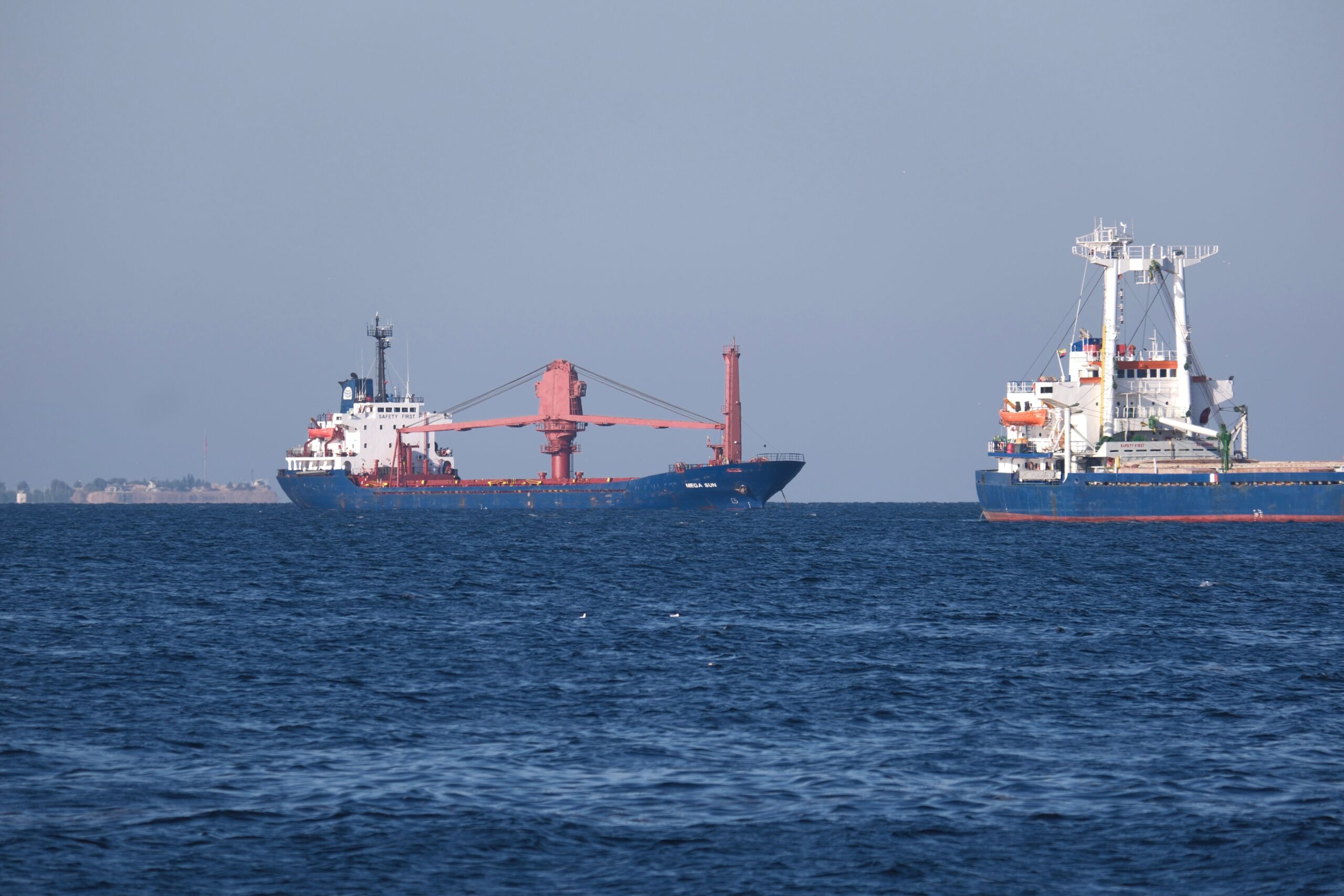
The Houthis acted on their stated intent immediately, claiming attacks on two Saudi oil tankers transiting the Red Sea. “The armed forces will continue their naval operations against the Saudi enemy,” the group stated. Such actions have already begun to affect commercial traffic. Kpler reported that vessel transits through the strait began declining before the announced attacks, indicating that shippers are reacting to the deteriorating security environment.
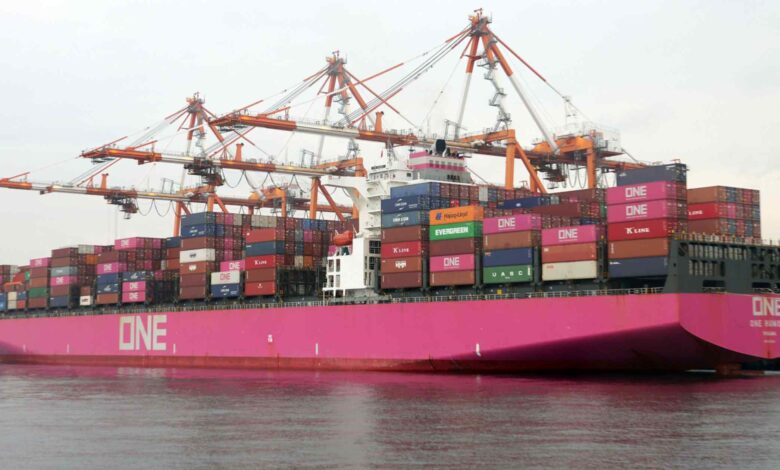
Despite these risks, ONE’s decision to transit the strait represents a significant signal. The company is expected to step up shipping through the Red Sea, suggesting that for some major carriers, the economic pressure of avoiding the route outweighs the perceived risk. This contrasts with the behavior of other state-aligned entities. For instance, sources indicate that China’s state shippers have deployed oil tankers outside the Gulf to avoid chokepoints, highlighting a fragmented response among major global economies to the instability in the region.
Experts caution that the situation could escalate further. Eugene Gholz, an associate professor of political science at the University of Notre Dame, notes that Iran’s direct military capability in the region is limited; it has no forces stationed near Bab al-Mandeb. Instead, Tehran relies on regional proxies like the Houthis to exert pressure. Analysis from the International Institute for Strategic Studies (IISS) describes the Iran-Houthi relationship as a partnership rather than a direct command structure, yet the impact on global markets is tangible. If the strait were to close, vessels heading to Europe would be forced to detour around the Cape of Good Hope, a route that is both time-consuming and costly. This detour would add significant pressure to global energy markets, affecting the transport of fuel, grains, steel, and liquefied natural gas.
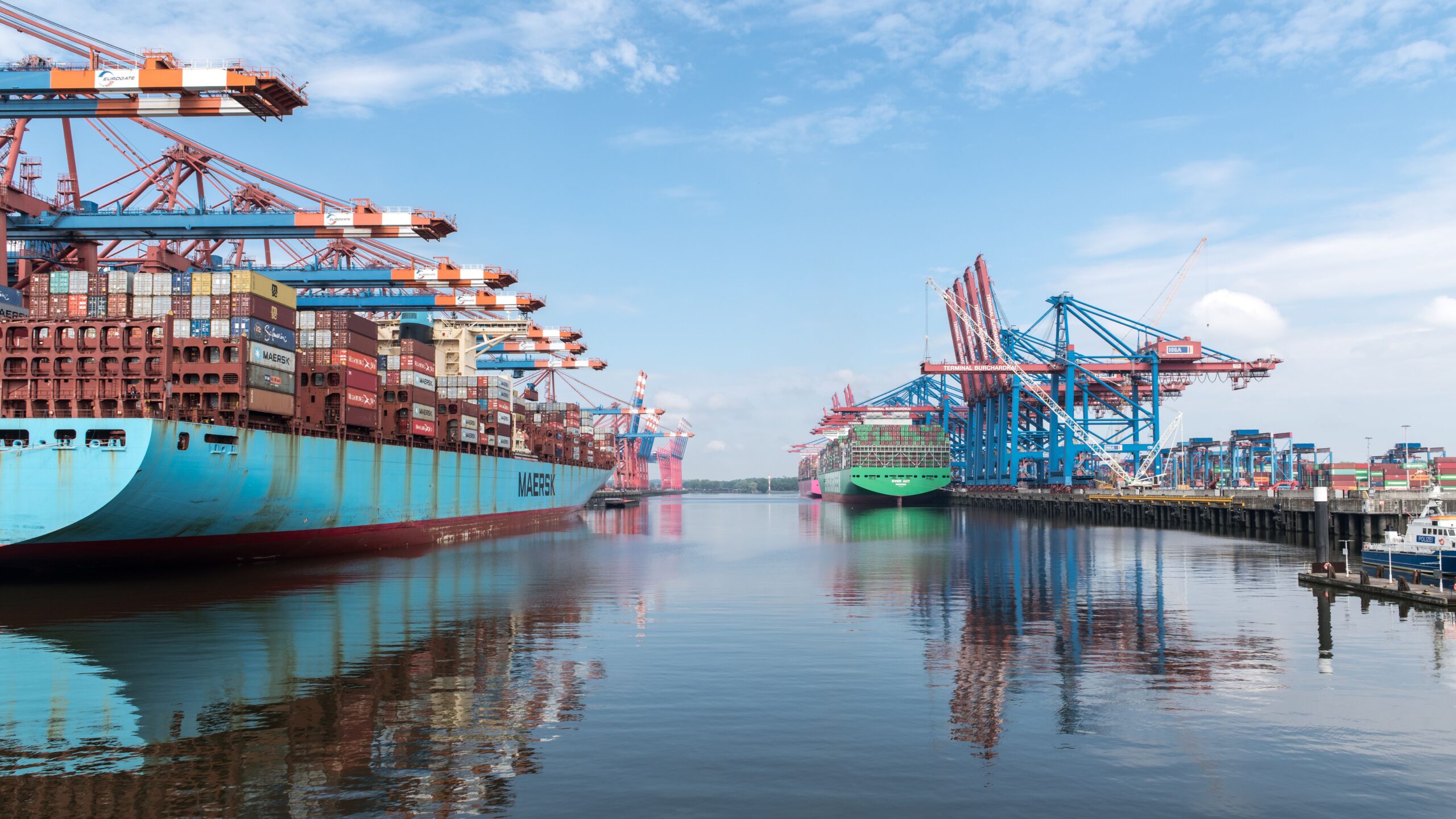
The historical context of the strait is also relevant. Iran has not directly blocked Bab al-Mandeb, but it has signaled interest in the area. In April 2015, Iranian naval officials stated that two destroyers had reached the entrance of the strait, describing their mission as protecting commercial shipping. Since 2023, the waterway has largely fallen under the influence of Houthi forces, altering the security dynamics for all transiting vessels.
As the world watches the Bab al-Mandeb, the tension between commercial necessity and military threat remains unresolved. ONE’s latest transit stands as a defying act of normalcy in a region where the flow of goods is increasingly subject to the whims of armed conflict. Whether this marks the beginning of a recovery in Red Sea traffic or a temporary reprieve before further disruption remains to be seen, but for now, the strait remains a critical point of contention in the broader geopolitical struggle over maritime dominance.