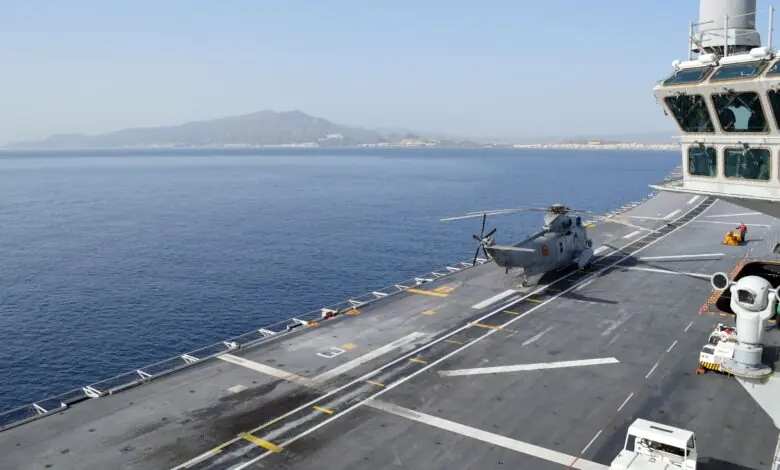
As of November 1, 2026, the USS George Washington is transiting the Arabian Sea, marking the end of a three-month deployment to the Middle East. The carrier’s primary mission during this period was to support maritime security and stability within the 5th Fleet’s area of responsibility. The deployment represents a significant commitment of naval aviation and surface force assets to a region characterized by complex geopolitical dynamics and the need for sustained presence.
The operational environment of the 5th Fleet area of operations typically requires high levels of readiness and logistical resilience. While the specific tactical movements or engagement details remain classified or unreported in public sources, the presence of a carrier strike group implies a focus on power projection and deterrence. The Nimitz-class vessels, such as the George Washington, are designed to operate in contested environments, requiring robust logistical support and coordination with allied forces. The “steady” movement of Sailors through the ship’s passageways, as described in official Navy communications, reflects the disciplined operational tempo required to sustain such a deployment over several months.
Amidst these operational demands, the Navy emphasized the civic dimension of the deployment. Capt. Nicholas DeLeo, the commanding officer of the USS George Washington, highlighted the significance of the voting event, stating that the opportunity to vote while deployed is “profound.” He noted that it allows Sailors to “directly exercise the very rights and freedoms they have sworn to defend.” This perspective links the military role of safeguarding national security with the democratic process, suggesting that the deployment serves not only strategic military objectives but also reinforces the social contract between the service members and the state.
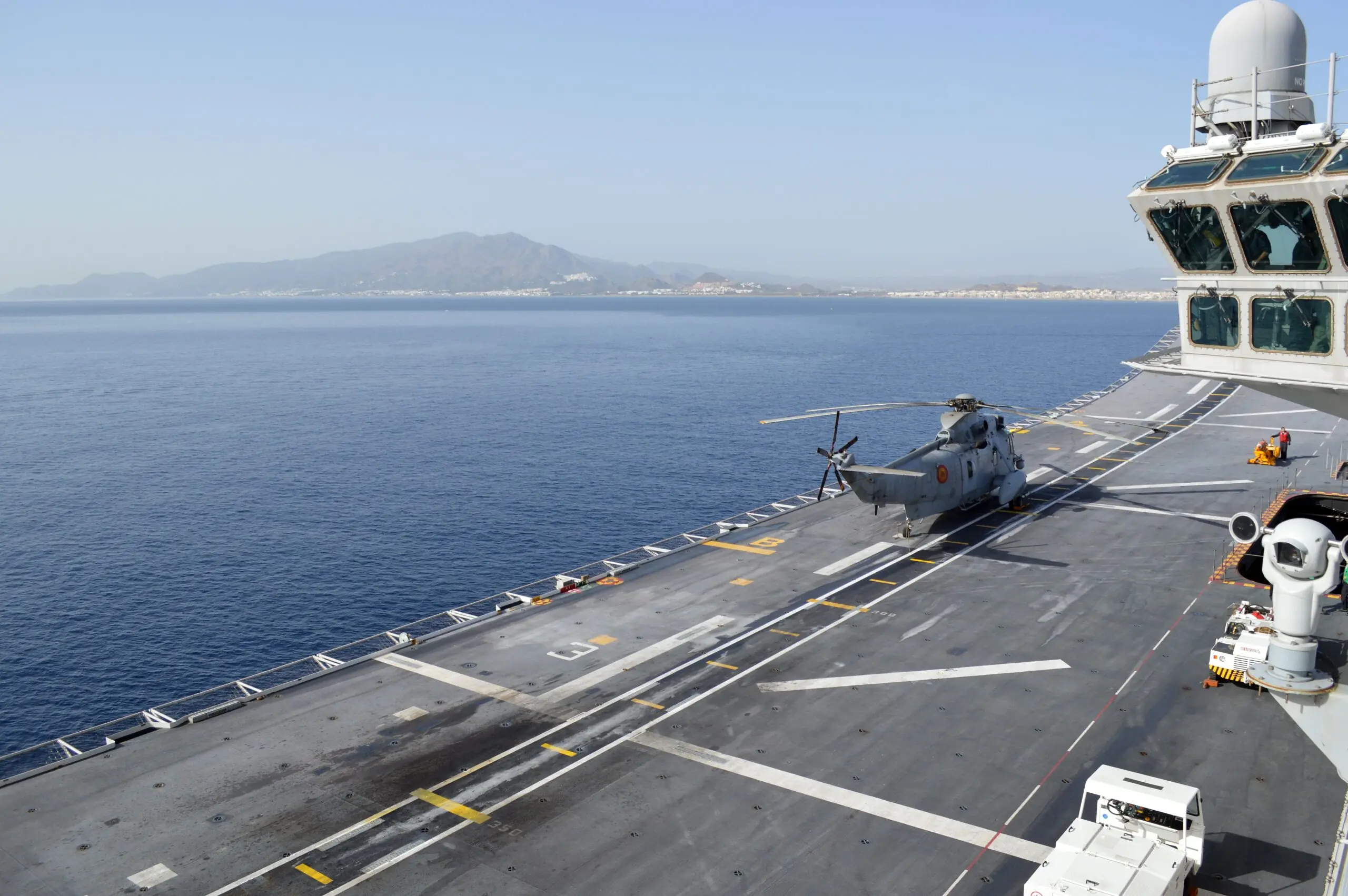
Chaplain Steven Matkins, who organized the voting assistance, observed that Sailors from diverse backgrounds often feel disconnected from home affairs due to the distance. “When you give people the opportunity to vote, you see how much we really care about things back home,” Matkins said. This sentiment was echoed by Information Systems Technician Seaman Gavin Naab, who voted for the first time during the rodeo. Naab expressed excitement about participating in the democratic process, noting that a ballot can “directly affect the policies enacted both at home and abroad,” thereby influencing his career, international affairs, and historical trajectory.
From a strategic perspective, the deployment of the USS George Washington contributes to the broader U.S. naval posture in the Middle East. The 5th Fleet is responsible for monitoring the Persian Gulf, the Arabian Sea, and the western Indian Ocean, areas critical to global energy supplies and trade routes. The presence of a carrier enhances the ability to respond to maritime threats, protect shipping lanes, and support allied operations. However, the sources do not provide specific details on incidents, engagements, or changes in regional security conditions during the three-month period. The focus remains on the sustained presence and the internal cohesion of the crew.
The logistical constraints of a carrier deployment are substantial. Maintaining an air wing and supporting the ship’s operations requires a continuous flow of supplies, ammunition, and personnel relief. The fact that the crew was able to organize a voting event in the ship’s library suggests that, despite the operational tempo, the command prioritized morale and civic participation. This balance between mission execution and crew welfare is a key aspect of modern naval operations, particularly in long-duration deployments to distant theaters.
The return of the USS George Washington to the Arabian Sea signals a transition in the carrier’s operational status. While the specific next destination or follow-on mission is not detailed in the provided sources, the completion of the three-month tour indicates a standard operational cycle. The deployment highlights the U.S. Navy’s ability to project power and maintain stability in the region, while also demonstrating the integration of democratic values into the daily life of forward-deployed forces.
Uncertainties remain regarding the specific tactical outcomes of the deployment, such as any covert operations or specific diplomatic engagements facilitated by the carrier’s presence. Public reporting focuses on the visible aspects of the mission, such as the voting event and the general mandate for maritime security. The absence of reported casualties or significant incidents suggests a period of relative stability or a classification of sensitive activities. The next confirmed development will likely involve the carrier’s return to its home port or a subsequent deployment, continuing the cycle of readiness and engagement that defines the U.S. Navy’s role in global security.