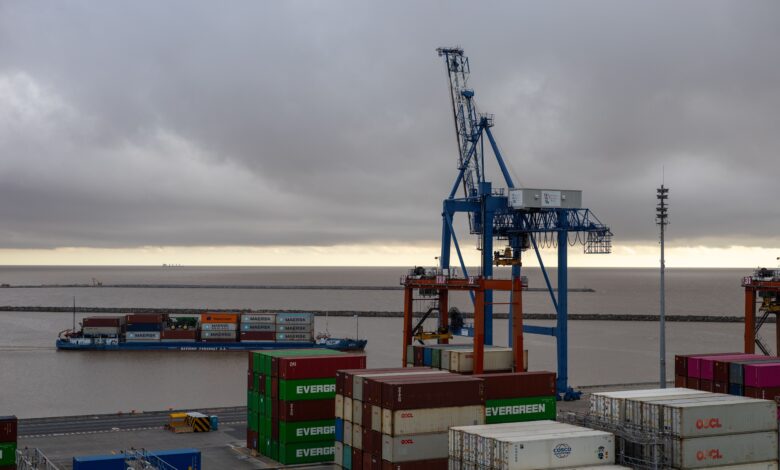
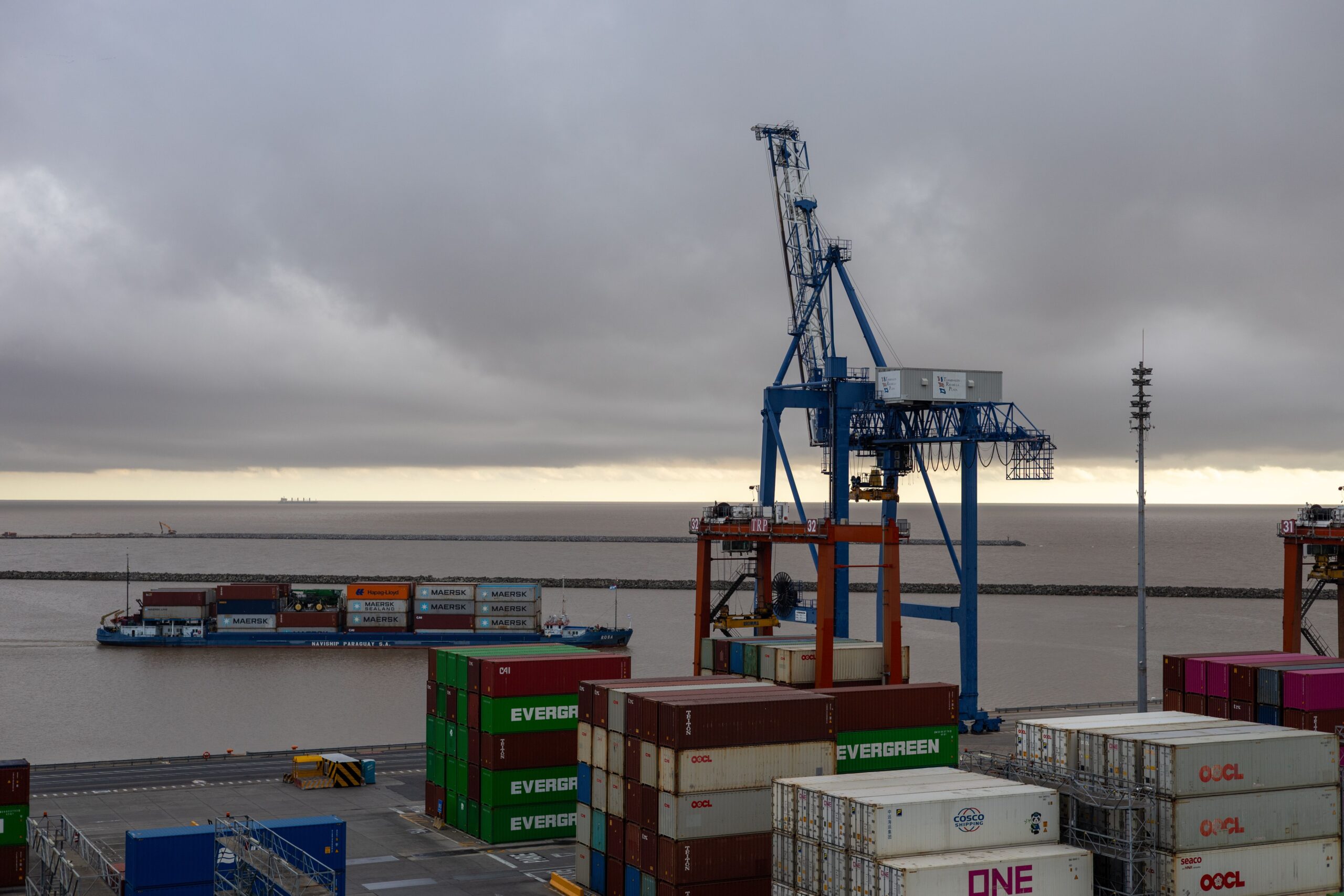
The urgency of negotiations is heightened by a scheduled increase in U.S. tariffs on Canadian autos to 50% from 25% in January. Companies and industry associations have warned Prime Minister Mark Carney’s government that this increase could dismantle decades-old supply chains, leading to job losses and factory shutdowns. LeBlanc acknowledged that even with an agreement, the U.S. would likely maintain some sectoral tariffs on steel and autos, stating that Canada must be realistic about these sectors remaining under some level of protection while ensuring their long-term economic viability.
LeBlanc indicated that an interim deal would likely include reduced rates on Section 232 tariffs for steel, aluminum, autos, and lumber. However, he said the government hopes to eliminate Section 338 tariffs entirely. The minister argued that deals struck by other countries with the U.S. have maintained some level of tariffs, and Canada’s goal is to reduce 232 tariffs to a point where those industries can compete globally. He noted that the U.S. has been clear that an arrangement to reduce these tariffs could kickstart a formal review process prescribed in the Canada-U.S.-Mexico Agreement (CUSMA).
Despite these diplomatic efforts, the current state of negotiations remains tense. LeBlanc told the committee, which includes business leaders and politicians, that he is in regular contact with U.S. counterparts, including Commerce Secretary Howard Lutnick. However, one committee member summarized the briefing by saying, “The US understands what our red lines are and our people are saying that if the US makes movement, then we can move quickly. But so far the US has made no movement.”
The breakdown of previous talks in August led to accusations from both sides of eleventh-hour changes. LeBlanc recently defended Prime Minister Carney’s account of those final days in Washington, stating that the prime minister accurately described conversations where the U.S. team sought to restrict Canada’s ability to make trade deals with other countries and maintain hefty tariffs on automobiles. U.S. Trade Representative Jamieson Greer had previously responded that the prime minister’s description went “far beyond anything we’ve discussed.”

Political dynamics in the U.S. may influence the timeline. The Trump administration softened its public stance toward Canada after Democrats swept this month’s midterm elections. Democrats have indicated that ending the trade war with Canada will be a top priority when they take the majority in Congress in January. However, experts note it may be challenging for Democrats to achieve the supermajority needed to override a presidential veto. LeBlanc and committee member Valérie Beaudoin cautioned that the end-of-year ambition for an interim deal is not a hard deadline, with Beaudoin noting that dealing with the White House is “not always straightforward.”
The next phase of negotiations will be closely watched as the January tariff deadline approaches. LeBlanc stated that the government aims to get the best deal possible as soon as possible, even if it extends into January or February. The outcome will determine whether Canada can mitigate the impact of the 50% auto tariff and begin the formal CUSMA review process.