According to METI, the supply was reinstated in full on November 12, with no further notifications of reductions received since. “At this point in time, there has been no further notification of supply reduction,” a ministry spokesperson stated. This resolution follows a period of diplomatic and commercial scrutiny, as Singapore’s Energy Market Authority (EMA) and Indonesian regulators detailed the scope and contractual implications of the cut.
Scale of the Disruption
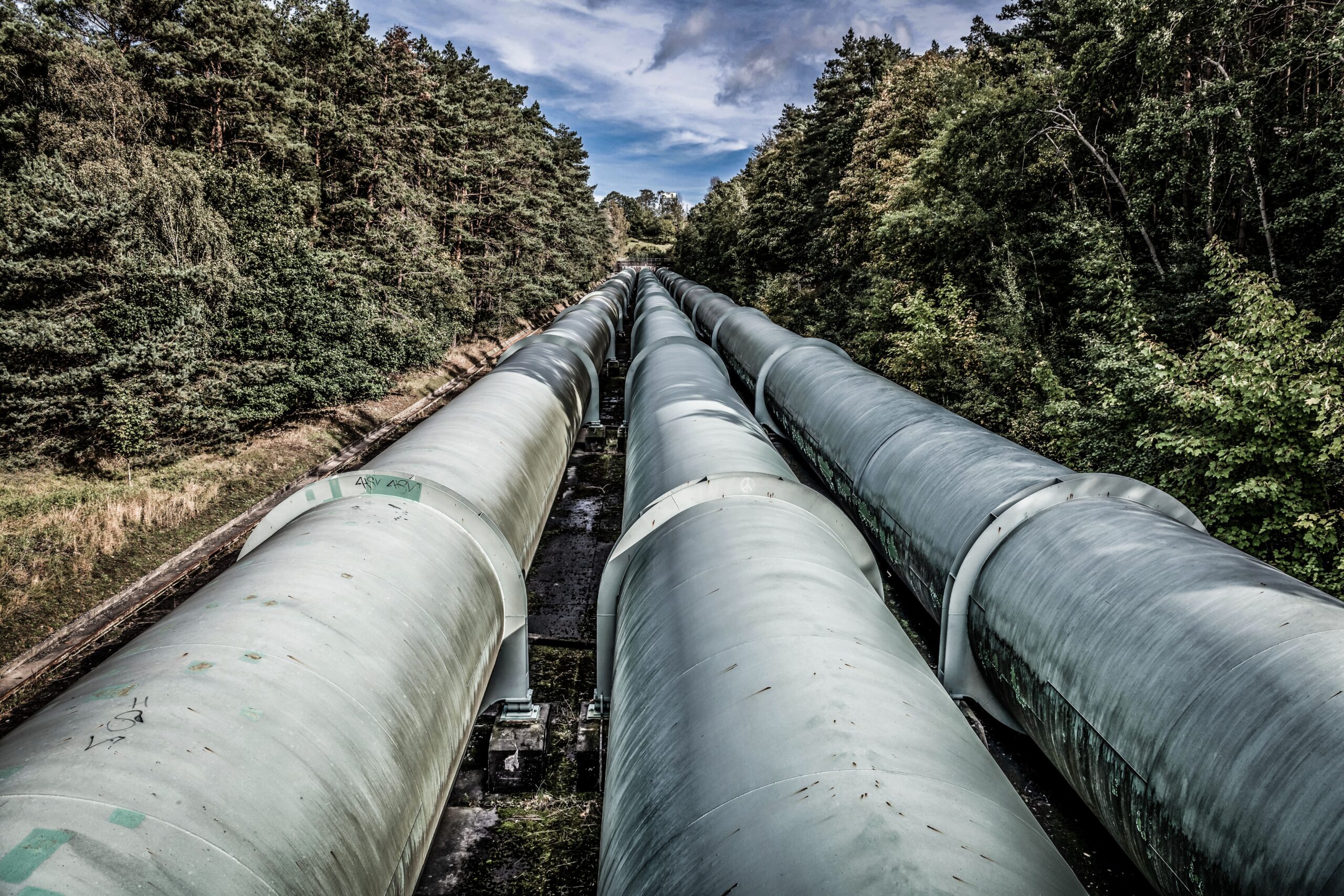
The reduction, announced by Indonesia’s upstream oil and gas regulator, SKK Migas, involved a cut of 31 billion British thermal units per day (BBTUD) across two primary pipelines linking the Natuna and Sumatra gas fields to Singapore. SKK Migas chief Djoko Siswanto specified that 15 BBTUD from Natuna and 16 BBTUD from Sumatra were redirected to meet local demand. The gas was diverted to support electricity generation in Batam, Bintan, and Sumatra, with SKK Migas stating the move was intended to “safeguard the reliability of domestic gas supplies for electricity generation.”
While the nominal daily reduction was 31 BBTUD, the EMA clarified that the total volume of gas withheld over the 18-day period amounted to 17 BBTUD in aggregate terms relative to daily demand metrics. Regardless of the specific calculation method, the EMA emphasized that the reduction represented less than 2% of Singapore’s total daily natural gas consumption, which stands at more than 1,000 BBTUD. Consequently, the impact on Singapore’s overall energy security was limited, and the regulator noted that existing contingency measures were sufficient to maintain grid stability.
Contractual and Diplomatic Context
The disruption occurred against a backdrop of shifting energy policy in Indonesia, where President Prabowo Subianto’s administration has signaled a stronger emphasis on prioritizing domestic energy security. This shift has raised questions among regional partners regarding the reliability of long-term export commitments.
Singapore responded with diplomatic caution. Prime Minister Lawrence Wong stated on October 25 that Singapore expected all parties to “honour their contractual commitments.” In contrast, Indonesian Coordinating Minister for Downstreaming and Energy Transition Bahlil Lahadalia asserted on October 26 that the export cuts remained within contractual limits. Lahadalia explained that the reduction of approximately 8% was consistent with agreements that allow for supply flexibility, noting that deliveries remained above the minimum supply thresholds stipulated in the contracts.
The affected importer, Gas Supply, a wholly owned subsidiary of Temasek, acknowledged that its deliveries to customers were impacted by the “temporary reductions” in supply. Gas Supply stated it was in direct communication with affected customers during the disruption. The Straits Times has noted that it reached out to Gas Supply regarding potential breaches of contractual obligations, a matter that remains a point of commercial interest given the explicit denial of breach by Indonesian officials.
Long-Term Implications for Singapore’s Energy Mix
Natural gas currently accounts for approximately 95% of Singapore’s power generation mix, making the country heavily dependent on imported piped and liquefied natural gas (LNG). Minister Tan See Leng has outlined a long-term strategy to reduce this dependency, projecting that the share of gas in the power mix could fall to about 50% by 2050. He expects gas to remain a critical baseload source but anticipates that cross-border electricity trade and alternative low-carbon sources, such as green ammonia or hydrogen, could meet up to 40% of Singapore’s power needs in the future.
Tan See Leng, who described Singapore’s approach to regional energy cooperation as “prosper thy neighbour,” indicated that he would advocate for closer collaboration during Singapore’s term as ASEAN Chair in 2027. This diplomatic push aligns with the ASEAN Power Grid initiative, an enhanced memorandum of understanding aimed at linking member states’ electricity grids by 2045. However, significant technical and regulatory work remains, particularly regarding the rules for laying, accessing, and maintaining undersea power cables.
Analysts suggest that while the immediate impact on Singapore’s energy supply was minimal, the episode signals a structural shift in how Indonesia balances domestic requirements against export obligations. This dynamic may influence future negotiations on energy trade within the region, potentially accelerating the diversification of Singapore’s energy sources and the development of regional interconnections.
With the supply fully restored, attention now turns to the upcoming ASEAN Energy Ministerial Meeting, where the progress of the ASEAN Power Grid and broader regional energy security frameworks are expected to be reviewed.