
The central paradox of this seismic event lies in the disparity between its magnitude and its impact. In seismology, magnitude measures the total energy released at the source, while intensity describes the shaking and damage at a specific location. Here, the two diverged sharply due to the earthquake’s exceptional depth. The INGV pinpointed the epicenter offshore along Calabria’s Tyrrhenian coast, near the town of Belmonte Calabro in the province of Cosenza, at a depth of 250 kilometers below the Earth’s surface. This depth is the critical variable in the event’s benign outcome. Unlike shallow earthquakes, which transfer energy directly and violently to the ground, deep-focus events propagate through hundreds of kilometers of rock. As the seismic waves traveled upward, the vast volume of Earth’s crust absorbed and dissipated a substantial portion of the energy. By the time the waves reached the surface, their amplitude had decayed significantly, resulting in shaking that, while noticeable, was insufficient to compromise structural integrity.
Geological context explains why such deep seismicity occurs in this specific region. The INGV notes that the earthquake stems from the subduction of the Ionian lithosphere beneath the Calabrian landmass. This tectonic process, characteristic of the southern Tyrrhenian Sea, involves one tectonic plate diving beneath another. The friction and stress associated with this subduction zone generate seismic activity at varying depths. The area is well-documented for frequent deep-seated seismic events, with previous occurrences exceeding magnitude 5 and hypocenters comparable to the June 2 event. This suggests that the 2026 tremor was not an anomaly, but rather a manifestation of the ongoing, slow-motion tectonic dynamics that define the geology of southern Italy.
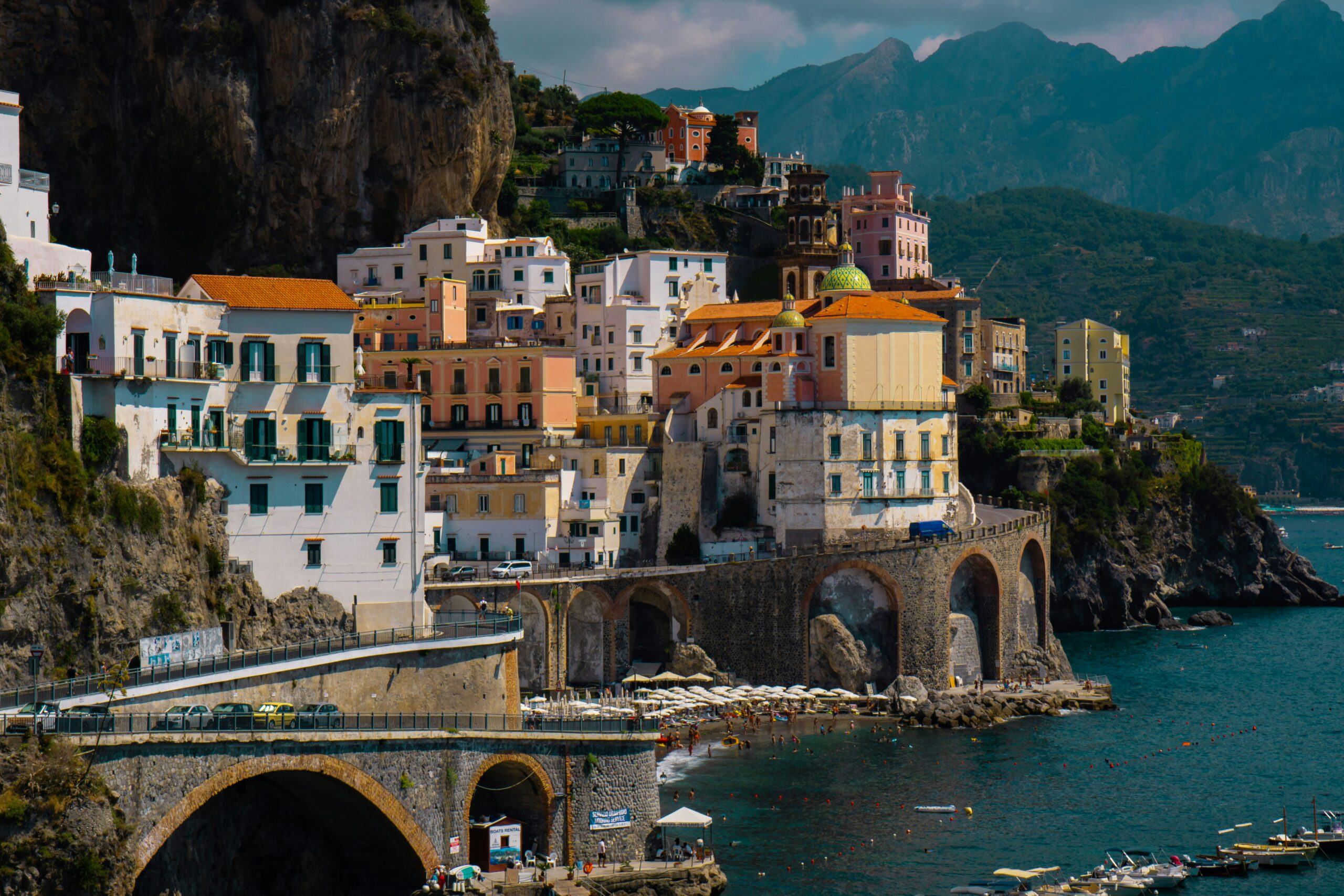
In the immediate aftermath, the response mechanisms of local governance and emergency services were activated to verify the safety of the population. The regional Civil Protection authority reached out to the municipalities nearest to the epicenter—Amantea, Cetraro, and Lamezia Terme—to assess the situation. The feedback was uniform: no reports of harm or damage were received. Firefighters conducted inspections along the Tyrrhenian coast of the Cosenza area to rule out any potential issues, such as minor cracks in infrastructure or landslides, but found the region stable. Franz Caruso, the mayor of Cosenza, publicly confirmed that the situation remained under control, reinforcing the official assessment that the event posed no threat to public safety or infrastructure.
The experience of the residents highlights the difference between perception and physical impact. The shaking was intensely perceived along the Tyrrhenian coastline, where the proximity to the epicenter likely amplified the sensation. However, because the energy had already been dampened by the 250-kilometer journey through the mantle and crust, the physical forces exerted on buildings were well within their design limits. This event serves as a reminder that in seismically active zones, depth is as crucial a metric for risk assessment as magnitude. A deep 6.2 event may cause widespread anxiety and be felt over a broad expanse, but it rarely results in the catastrophic damage associated with shallow quakes of the same magnitude.
As the dust settled, the focus returned to the geological reality of the region. The subduction of the Ionian lithosphere will continue, ensuring that the southern Tyrrhenian Sea remains a region of significant deep seismic activity. For the communities of Calabria, Basilicata, and Puglia, the June 2 event was a vivid reminder of the tectonic forces at play beneath their feet. While the lack of damage was a fortunate outcome dictated by physics, the frequent occurrence of such deep events underscores the persistent, underlying geological pressures that shape the landscape and security of southern Italy.