
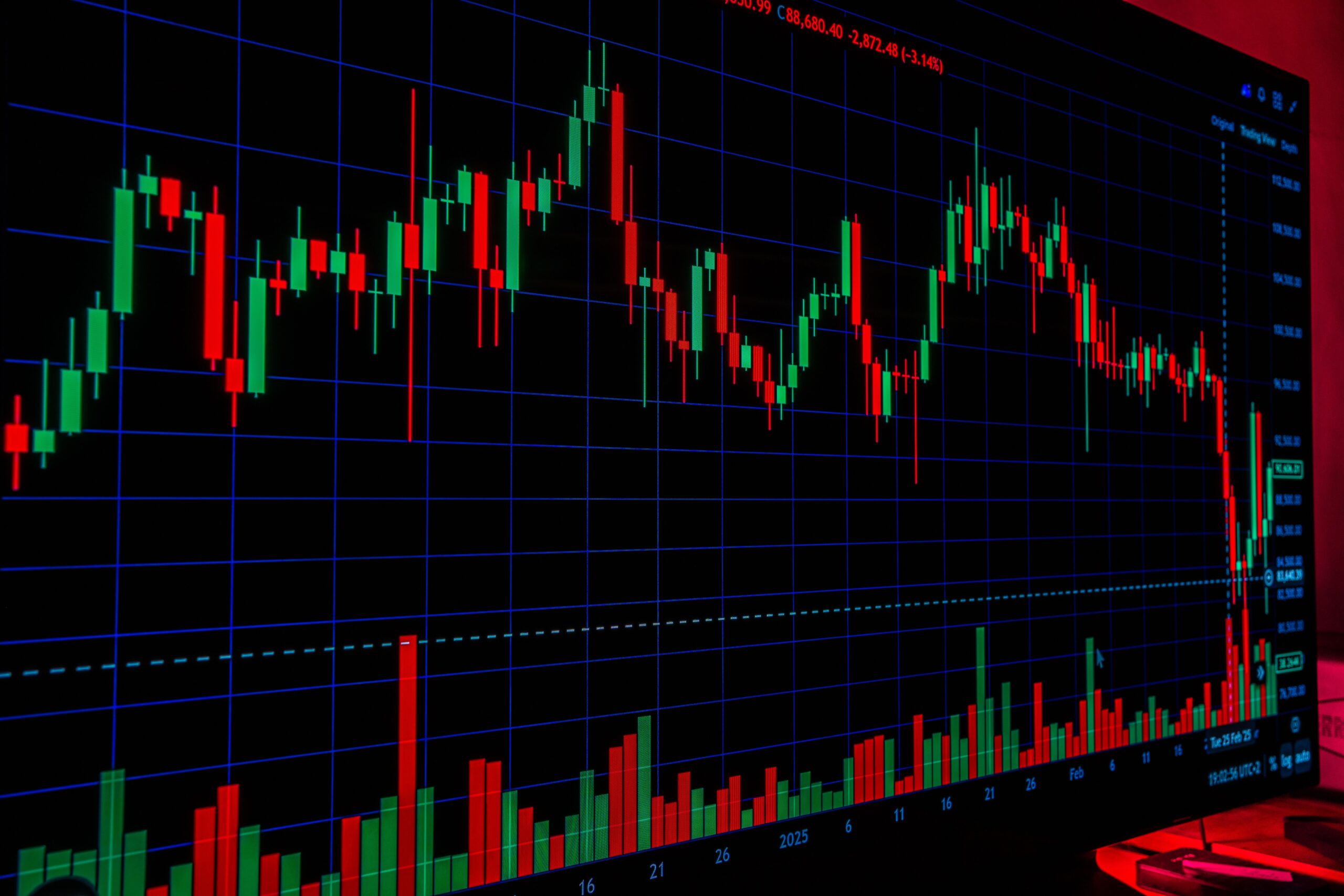
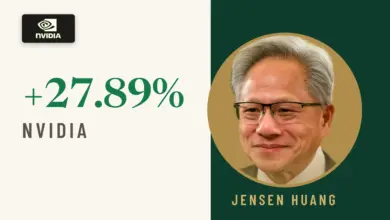
The technological significance of Huang’s presence at Nvidia cannot be overstated. The company controls approximately 90 percent of the global data center graphics processing unit (GPU) market, the foundational hardware for the current artificial intelligence boom. Analysts had warned that losing Huang, who is widely regarded as the architect of Nvidia’s strategic direction, could undermine its market value by as much as 30 percent. In the interim, the stock price did indeed fall by 27.7 percent, reaching a low of $3.04 trillion on November 20. However, the market reaction to his return was immediate and violent in its reversal. By the close of trading on Monday, Nvidia’s shares had propelled the company back to a valuation of $3.98 trillion, a 31 percent increase from its lows. This rebound was not isolated; tech shares across Asia and Europe followed suit on Tuesday, confirming Nvidia’s status as the cornerstone of the global AI trade.
The mechanism behind Huang’s return, however, has raised questions about corporate governance and executive power. President Donald Trump publicly took credit for convincing the board to reinstate Huang, stating in an interview with CNBC that Huang’s expertise in advanced processors was a critical factor. “The bigger impact was, you know, he’s got other chips in his brain that nobody else knows about, including me, that nobody else understands,” Trump said. He further defended Nvidia’s technological moat, asserting that China could not easily replicate its Blackwell processors. The White House framed the intervention as a necessity to “protect our geniuses,” while Trump posted on Truth Social that the US government had “no reason to believe that Jensen’s return to NVIDIA poses any risk to National Security.”
This presidential involvement has drawn sharp criticism and scrutiny. Former US Secretary of Labor Robert Reich accused Trump of prioritizing financial interests over accountability, noting that the president owns stock in the company. Late-night host Jimmy Kimmel highlighted the conflict of interest, pointing out that a president with significant equity in a firm influencing its stock price through executive reinstatement presents an unusual dynamic. “It’s called being a good friend,” Kimmel quipped, while also noting Huang’s $25 million donation to the presidential ballroom project. Meanwhile, governance experts expressed concern. Jeffrey Sonnenfeld of Yale University told CNBC that the board should resign due to the lack of independent judgment, while Charles Elson of the University of Delaware emphasized the failure of succession planning. Despite these critiques, Tesla CEO Elon Musk welcomed the move, declaring, “The mistake has been corrected.”
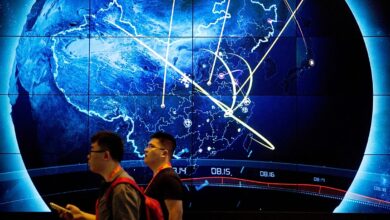
While the stock market has stabilized, the underlying investigations remain active and unresolved. An FBI-led counterintelligence review is ongoing regarding Huang’s alleged links to Alice Huang, a Chinese businesswoman who led the Singapore-based firm Megaspeed. The New York Times first reported on the alleged spy plot, though Beijing has denied that Alice Huang is an intelligence asset. Congress is also examining the potential diversion of Nvidia chips to China through Megaspeed, adding a layer of regulatory risk to the company’s operations. In response to these unresolved questions, Republican committee chairmen John Moolenaar, Rick Crawford, and Brian Mast have scheduled interviews with Huang and Nvidia General Counsel Tim Teter for December 1 and 2, respectively. They stated that the reinstatement leaves national security questions unanswered.
Beyond the national security concerns, Nvidia faces ongoing regulatory pressure. A Justice Department antitrust probe into its business practices and an SEC inquiry into its accounting are still under way. These legal and regulatory headwinds, combined with broader economic pressures, contributed to the initial drop in valuation. Yet, the market’s swift recovery suggests that investors view Huang’s leadership as indispensable to Nvidia’s competitive advantage in AI infrastructure. Analysts at Bernstein, such as Stacy Rasgon, have upgraded Nvidia to Outperform, citing the reduction in leadership uncertainty, while other firms like Rosenblatt have reiterated their ratings. The consensus among financial observers is that while the governance crisis has been temporarily resolved, the scrutiny will persist.
The return of Jensen Huang illustrates the precarious position of key technology leaders in the current geopolitical landscape. Their roles are no longer confined to product development and market strategy; they are now entangled in national security narratives and presidential politics. As Huang resumes his duties, the focus will shift to whether he can navigate the ongoing FBI and congressional inquiries while maintaining the technological lead that has made Nvidia the linchpin of the AI economy. The next confirmed development will be the congressional interviews scheduled for early December, which will likely test the limits of the company’s transparency and the administration’s continued support.


One Comment