
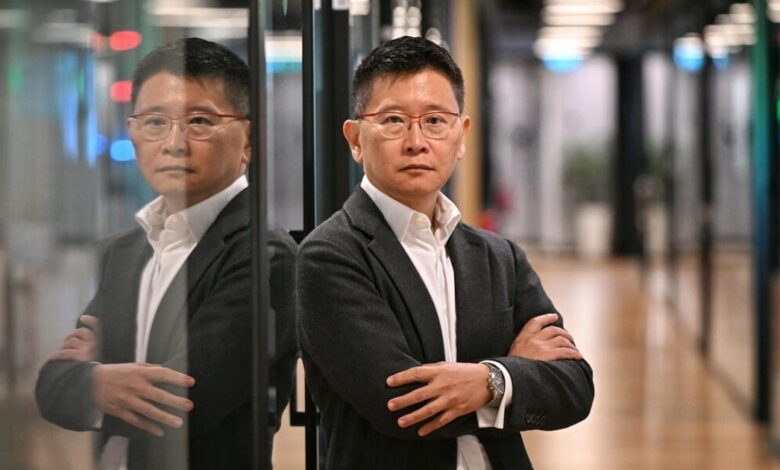
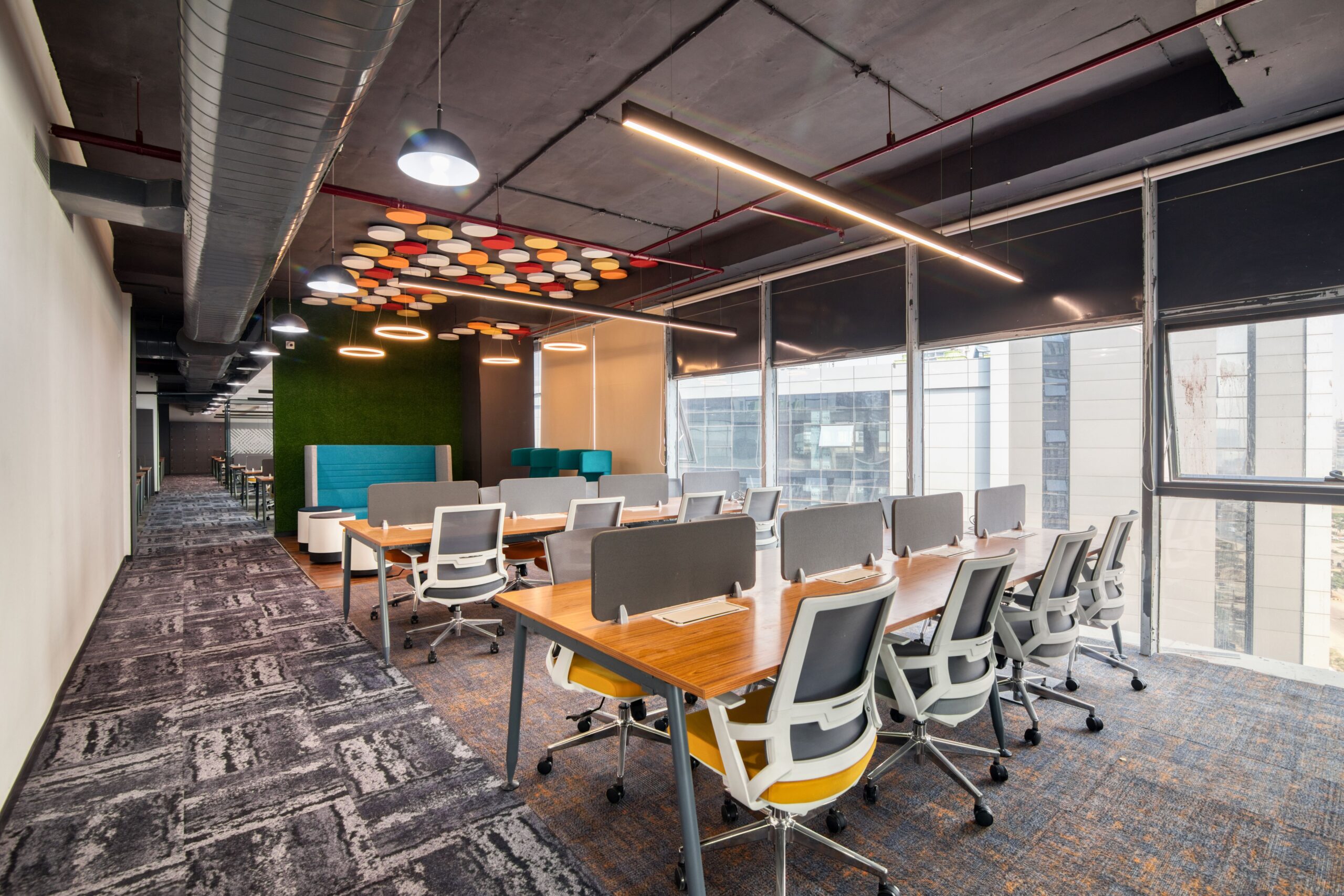
The expansion marks a significant shift in Revolut’s posture in Southeast Asia. While the company opened in Singapore in 2019, it has historically maintained a lean footprint, operating out of WeWork at Funan. The new lease, which includes the right to display the company’s logo on the building facade, is designed to signal permanence and stability to both regulators and users. Raymond Ng, Chief Executive Officer for Singapore and Southeast Asia at Revolut, described the move as a pivotal moment, stating that having a dedicated space signals to local authorities and customers that the firm is “deeply rooted in this market.” The primary objective, Ng noted, is to transition from being perceived as a travel utility to becoming the user’s “daily app” for all monetary needs.
The financial commitment is underpinned by strong operational performance. Revolut recorded its second consecutive year of net profitability in Singapore in 2025. The growth in the local market has been particularly pronounced on the business side. In 2025, the local business customer base grew fivefold, driven by increased demand for payment and cash management services. Between August 2025 and August 2026, Revolut Business saw a threefold increase in both deposit balances and transfer volumes within Singapore. Card payment volumes rose tenfold over the same twelve-month period. Globally, the business division has surpassed US$1 billion in annualised revenue, a scale that supports the company’s confidence in investing heavily in its regional hub.
While business banking has driven much of the recent growth, retail activity is also expanding. Domestic transaction volumes grew by more than 30% year-on-year in 2025. For the first time, domestic transactions now account for nearly half of Revolut’s total activity in Singapore, indicating a shift from a primarily cross-border focus to a deeper integration into the local economy. The company has introduced new products such as Flexible Cash Funds and expanded its merchant acquiring services, including account-to-account, online, and in-person payment capabilities integrated directly into business accounts.
The S$350 million investment, spread over five years, is earmarked for product innovation, business growth, and talent acquisition. The workforce expansion is a key component of this strategy. Revolut currently employs nearly 170 people in Singapore, a figure that nearly doubled in 2025 after a 95% year-on-year increase. The company plans to grow this headcount to more than 300 over the next three years. Hiring will focus on engineering, product management, data science, and artificial intelligence roles. Ng highlighted that Singapore’s deep talent pool and supportive regulatory environment are critical factors in this decision, allowing the city-state to serve as the launchpad for Revolut’s broader ambitions across Asia.

The Singapore office will coordinate regional expansion efforts, including the recent launch of the Global Technology Hub in Manila. Ng indicated that the company is actively evaluating entry into several other markets in the region, prioritizing those with forward-looking regulatory frameworks and significant potential for digital financial services.
This expansion follows a period of significant valuation growth for the parent company. A secondary share sale concluded in September 2026 valued Revolut at US$115 billion, a figure that remained stable from its July valuation but represented a substantial increase from US$75 billion in 2025. The company reported a pretax profit of £1.7 billion (US$2.2 billion) for that year. As Revolut transitions from a nimble challenger to an established regional player, the next phase of its growth will depend on its ability to scale its technology infrastructure and workforce to meet the rising domestic and regional demand for digital financial services.