

The incident represents a significant aviation security event involving a member of the flight crew rather than an external threat or terrorist group. According to official statements, the co-pilot attacked the pilot, inflicting injuries that required immediate medical attention. Passengers on the flight reacted swiftly to neutralize the threat, effectively acting as the first line of defense when security protocols were breached from within the cockpit.
Airline security protocols typically mandate that the cockpit door remains locked during flight to prevent unauthorized access. In this case, the threat originated from inside the secured area, bypassing standard external security measures. The rapid response by civilians highlights the unpredictable nature of potential threats in aviation, where even trusted crew members may pose a risk. Authorities have not yet released detailed information on the co-pilot’s motive, stating that investigations are ongoing to determine if the act was an isolated incident or part of a broader plot.
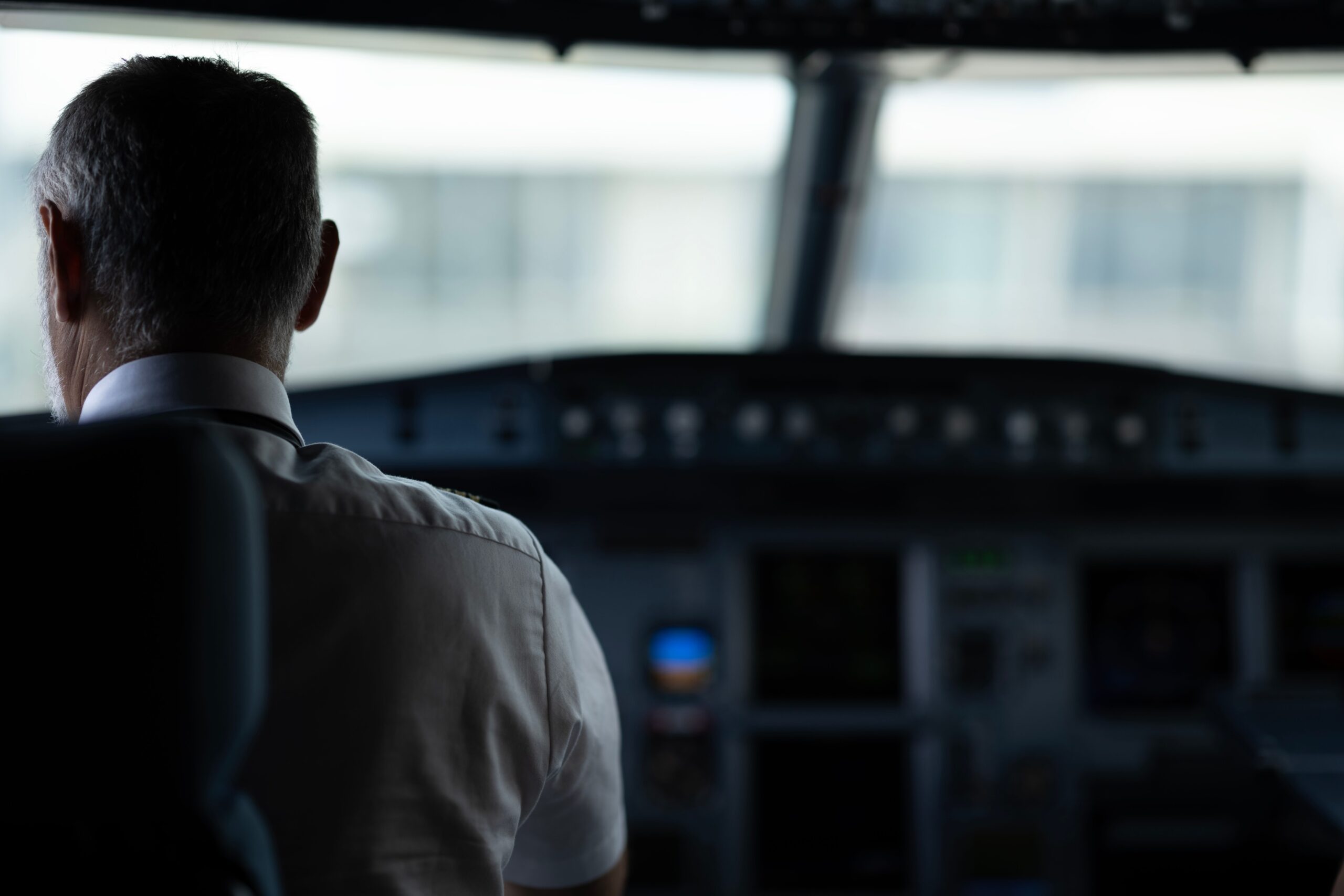
The safety of the remaining crew and passengers was preserved due to the collective action of the travelers. Medical teams treated the injured pilot, and the co-pilot was detained for questioning. Aviation security experts note that while cockpit breach incidents are rare, they remain a primary concern for global aviation authorities. The event underscores the importance of robust training for both crew and passengers in handling in-flight emergencies, although such training is not universally mandated for civilians.
Regulatory bodies are expected to review the incident to assess any necessary changes to security protocols for international flights. This may include enhanced screening procedures for crew members or additional safeguards to prevent unauthorized individuals from accessing the cockpit during critical phases of flight. The airline involved has not issued a detailed operational statement regarding specific security upgrades, but standard industry practice following such events involves a thorough internal and external security audit.

The successful prevention of a potential hijacking serves as a reminder of the complex challenges facing global aviation security. While technological advancements have improved the security of aircraft, human factors remain a critical element. The incident has drawn attention to the need for continuous vigilance and the potential for threats from within the operational team. Investigations will focus on the background of the co-pilot and the specific circumstances that led to the attack, with results expected to inform future security policies across the international aviation sector.