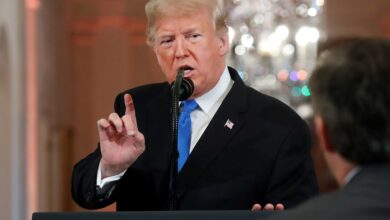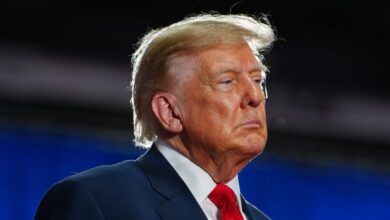

Zelensky warned that the arrangement would hand Vladimir Putin a significant economic lifeline, generating substantial new revenue for Moscow at a time when Ukraine and its European partners have been pressing for maximum economic pressure to weaken the Kremlin’s war machine. “Right now, our Ukrainian team, our negotiating team, is in Florida, holding talks with the American team about ending this terrible war – or, at the very least, achieving a ceasefire,” Zelensky said, questioning how the US could credibly mediate peace while simultaneously offering Russia sudden economic relief.
The diplomatic contrast between the two tracks of engagement has intensified scrutiny on the US approach to the conflict. While Kyiv seeks a durable end to the invasion, the US administration appears to be prioritizing the alleviation of global energy costs ahead of the US midterm elections. Trump stated that the easing of sanctions on Russian diesel was part of a broader push to lower energy prices, a move that critics argue undermines the economic pressure campaign essential to deterring further Russian aggression.

Behind the scenes, negotiations over an “energy ceasefire” have been a central point of discussion between US and Russian envoys. Russian envoy Kirill Dmitriev visited the United States twice in September for meetings with US special envoy Steve Witkoff and Jared Kushner. During these discussions, Russian officials privately signaled willingness to consider a halt to attacks on energy infrastructure, but they tied any such agreement to demands for sanctions relief. It remains unclear which specific sanctions Moscow is seeking, though one European diplomat suggested Russia could be seeking the release of frozen funds.
Publicly, however, the Kremlin has maintained a skeptical stance. Kremlin spokesperson Dmitry Peskov stated on October 8 that Russia saw no point in negotiating a sectoral ceasefire, arguing that Kyiv was not proposing a long-term settlement but rather targeting Russia’s “Achilles’ heel.” Despite this public rhetoric, US and Ukrainian officials familiar with the talks indicated that Moscow has been intensifying attacks on Ukraine’s energy infrastructure, with one senior Ukrainian defense official suggesting Moscow is trying to inflict maximum damage to gain leverage before potential negotiations.
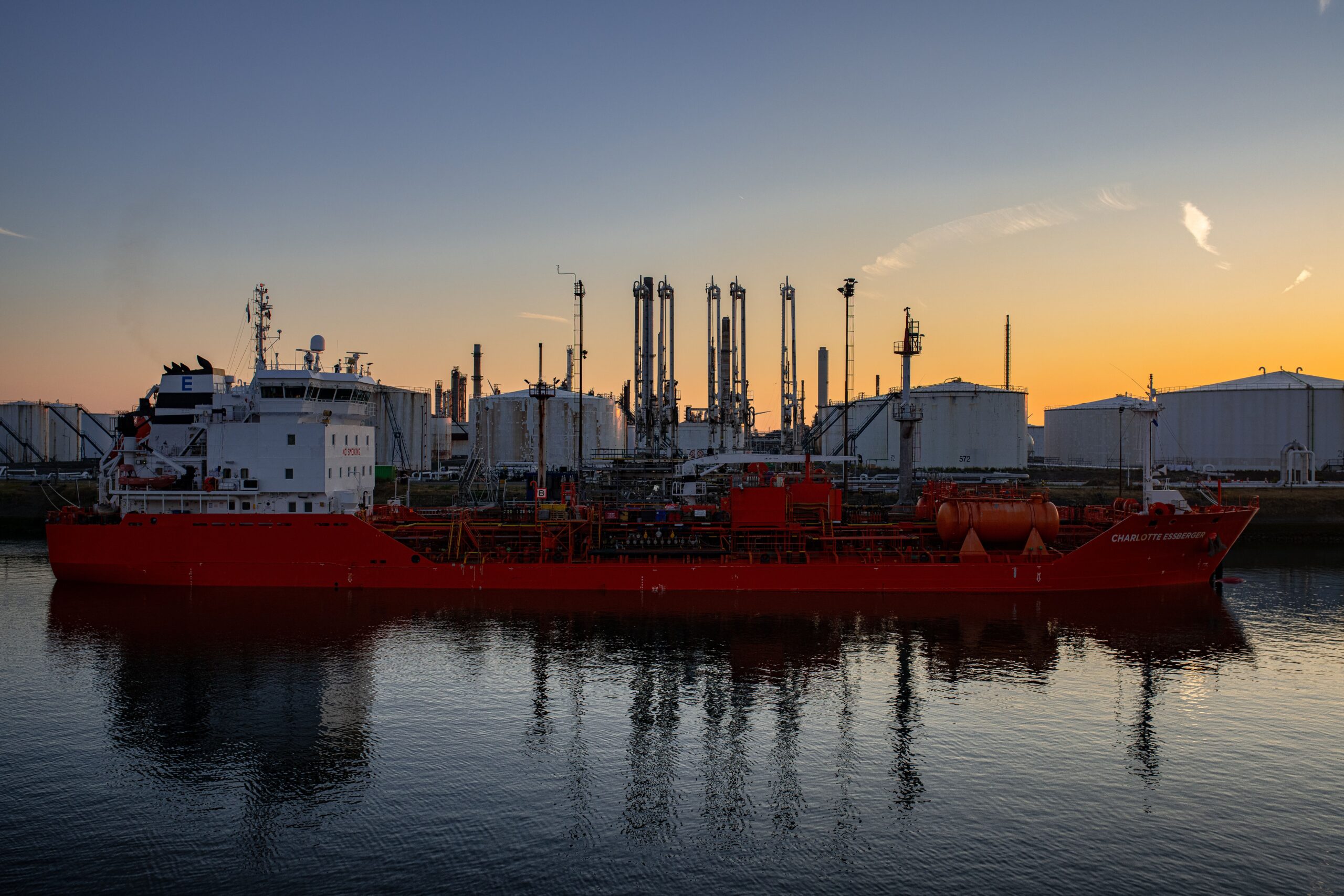
The urgency of the energy crisis in Ukraine is acute. A Russian assault on October 8 caused widespread power outages across Kyiv, a city of more than three million people, contributing to daily blackouts that have strained the civic infrastructure. In New York during the United Nations General Assembly, Zelensky reaffirmed Ukraine’s readiness for a bilateral energy ceasefire. He stated that Kyiv is prepared to halt strikes on Russian energy facilities, such as diesel and refineries, if Moscow reciprocally stops targeting Ukraine’s electricity, heating, and water supply systems. However, Zelensky stressed that there had been no discussion of Kyiv unilaterally ending attacks on the Russian oil industry without such a reciprocal commitment from Moscow.
The current diplomatic landscape presents a complex challenge for US mediation efforts. With Trump seeking to demonstrate progress on Ukraine before the midterm elections, the tension between economic relief for Moscow and the need for sustained pressure on the Kremlin remains unresolved. The next expected development hinges on whether the ongoing negotiations in Florida can bridge the gap between Kyiv’s demand for reciprocal ceasefires and Moscow’s insistence on broader sanctions relief.