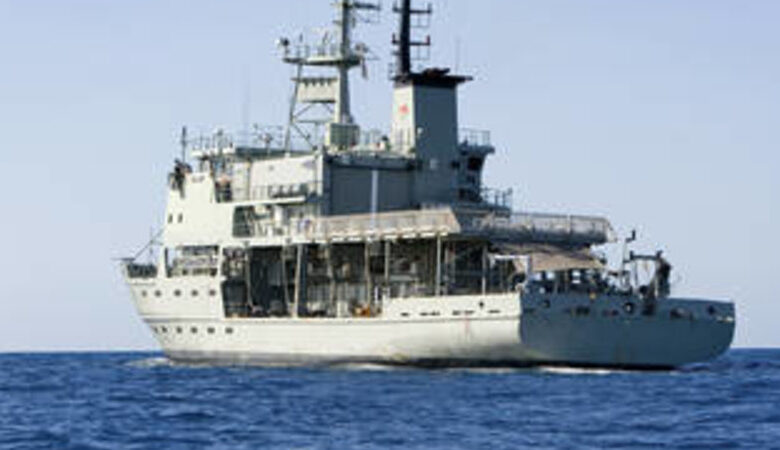
Defence stated in a statement that it was “aware that a video recording device had been located in the cabin of Royal Australian Navy ship HMAS Leeuwin.” The department confirmed that the matter has been referred to the Joint Military Police Unit, with Defence currently working alongside civilian authorities to address the situation. The use of the Joint Military Police Unit indicates that the incident is being treated as a serious breach of conduct and potentially a criminal offense, integrating military disciplinary procedures with the broader civilian legal framework.
The discovery of the device has intensified scrutiny on the institutional response to sexual misconduct within the Australian Defence Force. In the wake of the incident, Senator Jacqui Lambie called for the defence force to adopt a “zero tolerance” approach to abuse. She urged potential recruits not to enlist unless the situation within the military improved, highlighting a growing public debate over the safety and integrity of the armed forces.
While the specific details of how the device was concealed and the identity of the person responsible remain part of the ongoing investigation, the location of the device within a crew member’s cabin on a naval vessel is a particularly sensitive matter. Naval vessels operate as self-contained environments where personnel live and work in close proximity, often for extended periods. The presence of unauthorized recording equipment in such a setting undermines the fundamental trust required for effective unit cohesion and operational readiness.
The response from Defence, in referring the case to the Joint Military Police Unit, suggests a formalized process for handling such breaches. The Joint Military Police Unit is responsible for enforcing military law and investigating offences across the Australian Defence Force. By working with civilian authorities, Defence is acknowledging the overlap between military jurisdiction and state law, particularly in cases involving potential crimes against the person that may require civil court proceedings.
The incident has drawn attention to the broader challenges the military faces in preventing and responding to sexual harassment and assault. Previous inquiries into misconduct within the Defence Force have identified systemic issues, including inadequate reporting mechanisms, fear of stigma among victims, and insufficient disciplinary action. The call for a “zero tolerance” policy reflects a demand for stricter accountability and more robust preventive measures, rather than reactive disciplinary actions.
For the Royal Australian Navy, the incident on HMAS Leeuwin represents a reputational and operational concern. The vessel’s mission and the safety of its crew are paramount, and any breach of privacy or conduct that compromises the well-being of personnel can have lasting negative effects on morale and unit effectiveness. The ongoing investigation will likely focus on determining the extent of the breach, whether any other incidents occurred, and what failures in security or oversight may have allowed the device to be placed in the cabin.
As the investigation proceeds, the focus will remain on holding those responsible accountable while reassessing policies to prevent similar occurrences. The involvement of civilian authorities underscores the seriousness of the allegation and the need for a transparent and thorough legal process. The outcome of this inquiry will be closely watched by the public and military leadership as an indicator of the Defence Force’s commitment to addressing sexual assault and harassment.
The next steps in this matter will depend on the findings of the Joint Military Police Unit and civilian authorities. If criminal charges are laid, the case may proceed through the civilian court system, while military disciplinary proceedings may also be initiated in parallel. The resolution of this case will be critical in determining whether the Defence Force has learned from past failures and is capable of implementing the “zero tolerance” approach demanded by public figures and affected personnel.