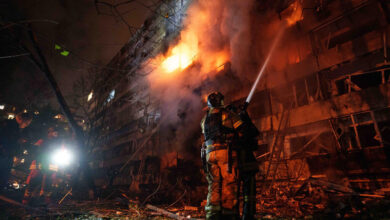
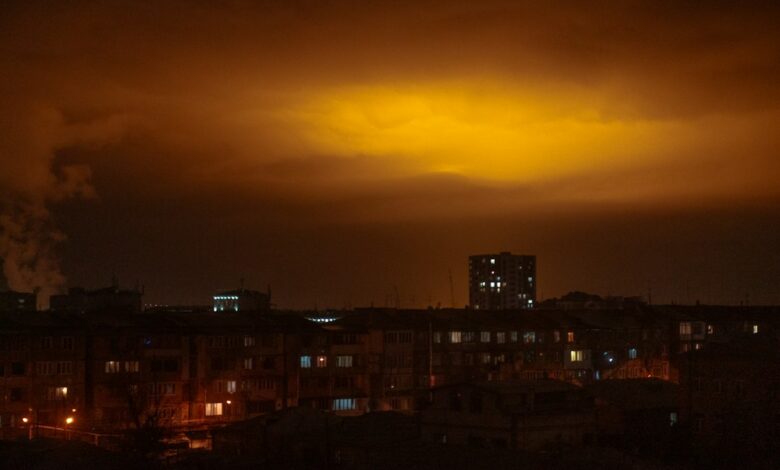
The assault, which occurred despite a cease-fire on energy infrastructure announced by US President Donald Trump, marked a significant escalation in targeting Ukraine’s critical infrastructure. Ukrainian Emergency Service officials confirmed that three civilians were killed and 21 others injured, including one child, as rescue crews worked to clear debris from damaged apartment buildings and commercial sites. Mayor Vitali Klitschko reported that several energy facilities within the city were struck, disrupting water supplies and exacerbating the power crisis across the capital.
In a post on social media on October 14, Zelenskyy detailed the scale of the attack, stating that Russia employed 39 ballistic missiles and more than 120 attack drones. He warned that the power outages could become even more widespread if further strikes occur. Citing Ukrainian intelligence, the president stated that Russia is preparing additional ballistic missile strikes, urging the international community not to remain silent and specifically calling on the United States to acknowledge responsibility for the continuation of the war.
“It is important that the world does not remain silent about this,” Zelenskyy wrote. “It is important that the United States really see what is happening and who is responsible for this war continuing.”
The strikes have intensified diplomatic tensions regarding the recently announced US-Russia energy deal. Days prior, on October 9, President Trump announced an agreement following a conversation with Russian President Vladimir Putin, under which the United States would immediately import 300,000 metric tons of Russian diesel, with millions of tons expected to follow. Critics, including European allies and members of both the Democratic and Republican parties in the US Congress, have warned that the deal could embolden Moscow to continue its offensive operations against Ukraine.
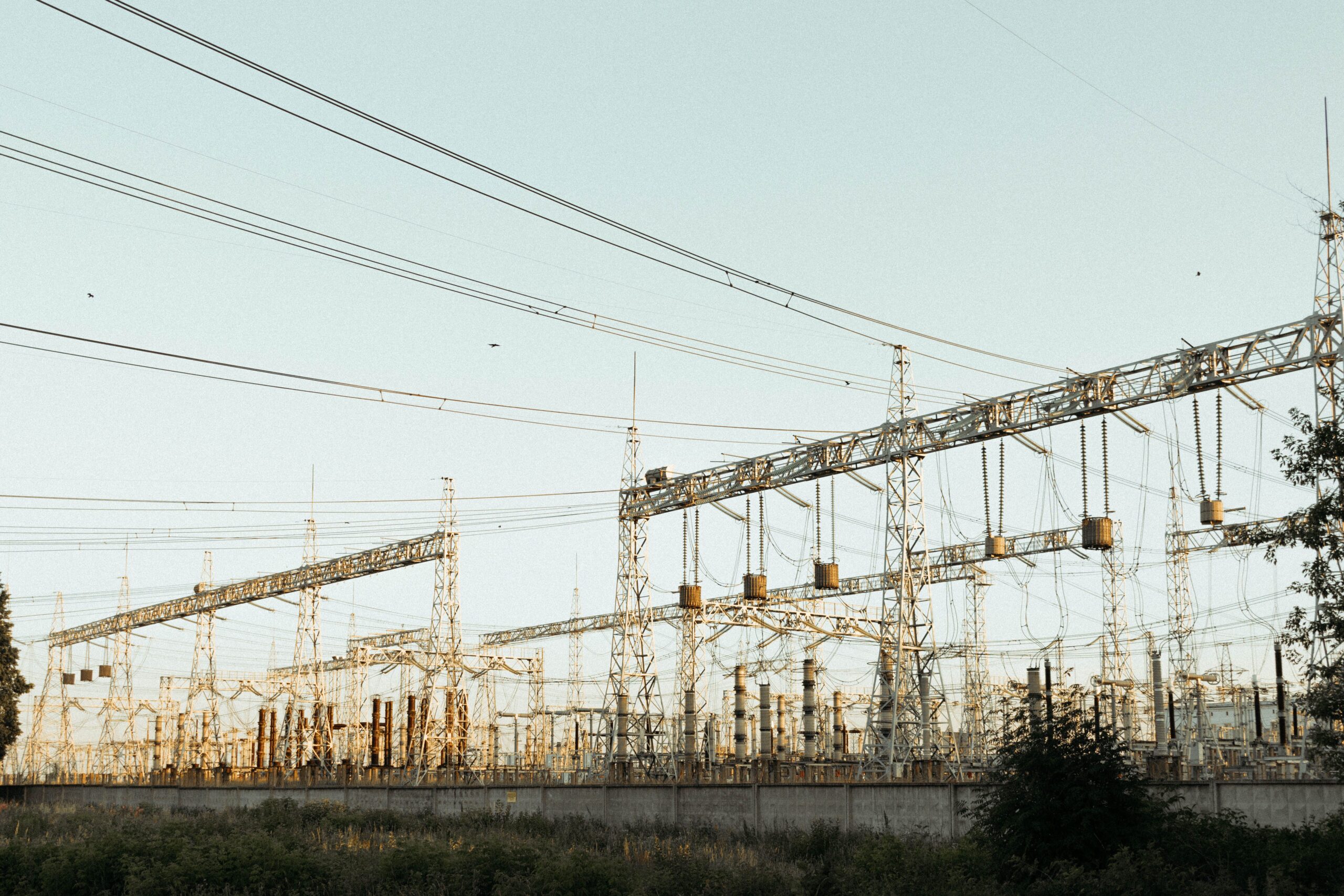
A bipartisan group of 12 US senators sent a letter to President Trump urging him to withdraw from the diesel agreement. The senators described the deal as “a gift to our adversary” and “a betrayal of our Allies,” arguing that granting Moscow access to global diesel markets damages American security interests. The criticism highlights a growing rift between Washington’s diplomatic overtures and the operational reality on the ground in Ukraine.
Ukrainian officials maintain that Russia is in violation of the truce regarding energy infrastructure. Denys Sienik, the charge d’affaires at the Ukrainian Embassy in Washington, stated that the attacks on the energy grid, residential buildings, and critical infrastructure are causing blackouts, disrupting water supplies, and killing civilians. Zelenskyy reaffirmed Ukraine’s support for an energy cease-fire, but the overnight barrage suggests that Moscow is not adhering to the restrictions stipulated in the recent diplomatic discussions.
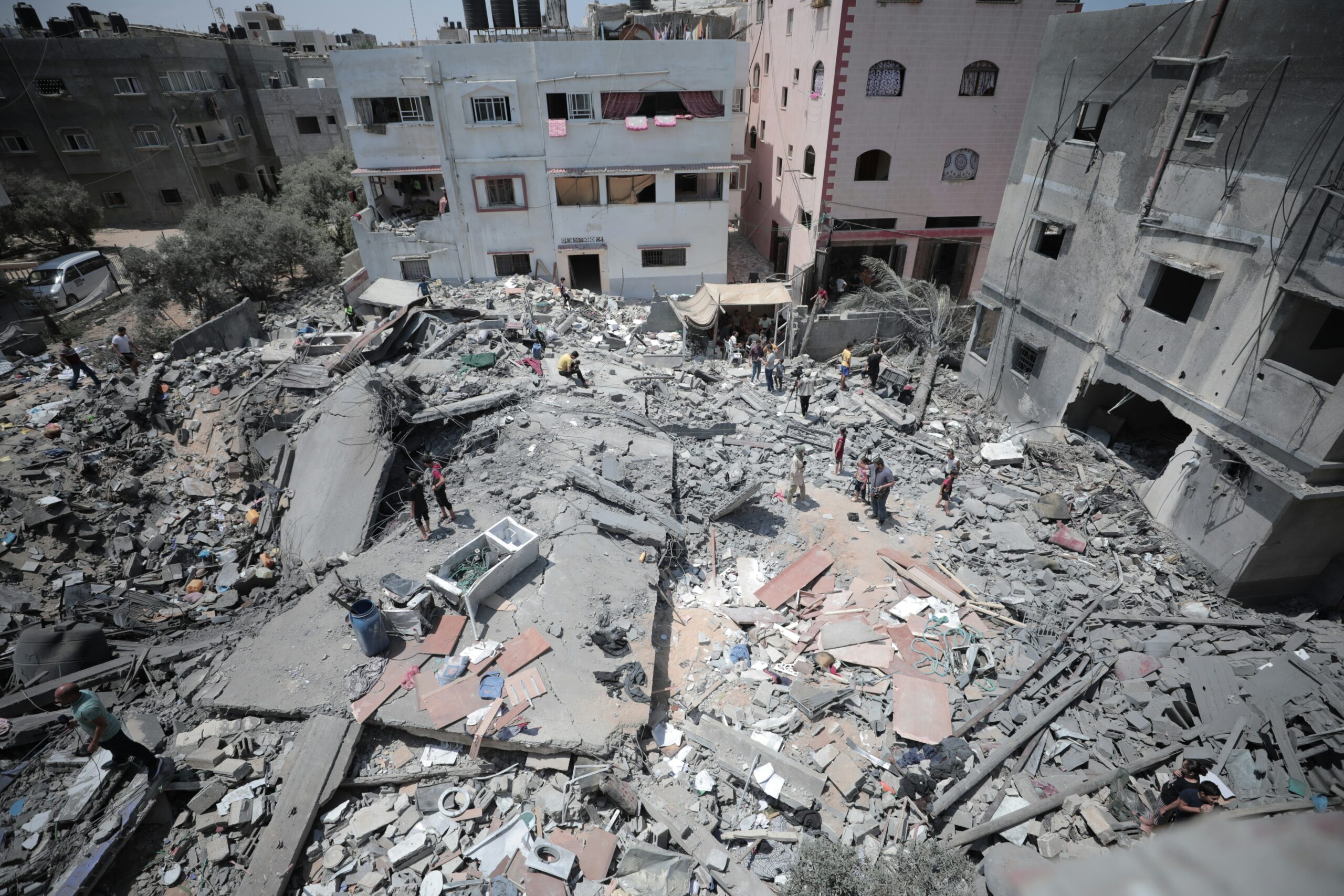
The impact of the strikes on civilian life in Kyiv has been severe. Residents in the affected districts reported prolonged power cuts and damage to residential structures. One resident, speaking at the scene of a strike on an apartment building, expressed a sense of displacement and fear, stating that they were considering leaving the country to ensure the safety of their teenage child. The strike underscored the continued vulnerability of Ukraine’s capital to long-range ballistic projectiles, despite ongoing air defense efforts.
Ukrainian air defense systems engaged the incoming threats, but the volume and variety of the attack—combining ballistic missiles with a large swarm of drones—stressed the defense network. The use of ballistic missiles, which are difficult to intercept at high altitudes, remains a significant tactical challenge for Ukraine. The disruption to the power grid represents an operational-level threat to the city’s functionality, potentially affecting heating, communications, and emergency services during the autumn season.
As rescue operations continue, the focus shifts to the strategic implications of the strikes. The timing, just days after the announcement of the US-Russia diesel deal, suggests a potential linkage between diplomatic agreements and military escalation. Whether Moscow intends to use energy strikes as leverage in ongoing negotiations or as a means to degrade Ukraine’s winter readiness remains a central question. The lack of advance warning from Western partners, as alleged by Zelenskyy, adds a layer of strategic ambiguity to the incident, raising concerns about the reliability of intelligence sharing between Ukraine and its allies during critical moments.