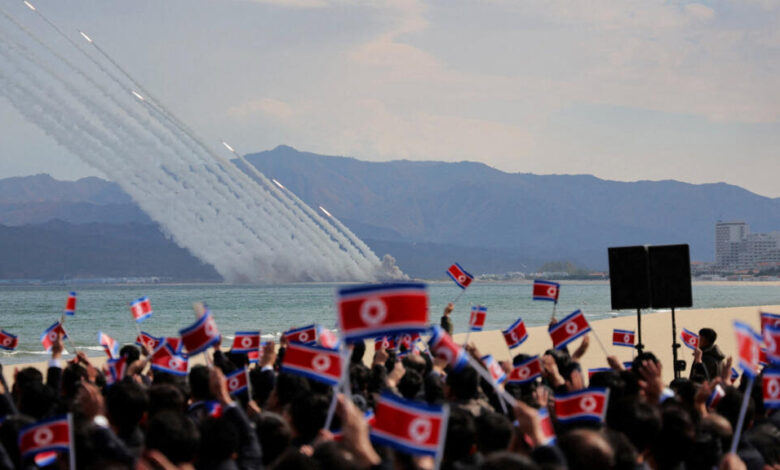
The weapons tests are the latest in a series of military trials that underscore a broader transformation in North Korea’s defense infrastructure. Since April 2024, the regime has been engaged in the construction of a permanent fortified border through the Demilitarized Zone (DMZ), the 4-kilometer-wide buffer zone that has divided the peninsula since the 1953 armistice. While the DMZ was originally intended to be cleared of military forces and equipment, the North Korean approach has been one of aggressive militarization, turning the frontier into a hardened defensive line.
According to South Korea’s Joint Chiefs of Staff, the construction work is currently 40 to 60 percent complete, with ground-clearing operations nearly finished. The project is expected to be finalized by the second half of 2028. The infrastructure includes a continuous physical barrier on the North Korean side of the zone, composed of wire fencing, tactical roads, and anti-tank barriers laid on ground stripped of vegetation. Additionally, intelligence suggests that North Korea has laid approximately 960,000 mines within the DMZ since 2024. This figure represents close to half of all mines thought to exist in the area, which is already one of the most heavily mined regions on Earth.
The strategic impetus for this fortification stems from a fundamental shift in Pyongyang’s political stance. In December 2023, Kim Jong Un redefined South Korea as a separate and hostile state, abandoning the long-held goal of reunification that had characterized inter-Korean relations up until 2018. Experts in Seoul interpret this U-turn as a move to resolve the contradiction of threatening nuclear war against entities previously considered compatriots. With engagement with Seoul collapsed and Moscow emerging as a key patron, Pyongyang has pressed for recognition as a nuclear state, using the fortified border to solidify its status as a distinct sovereign entity.
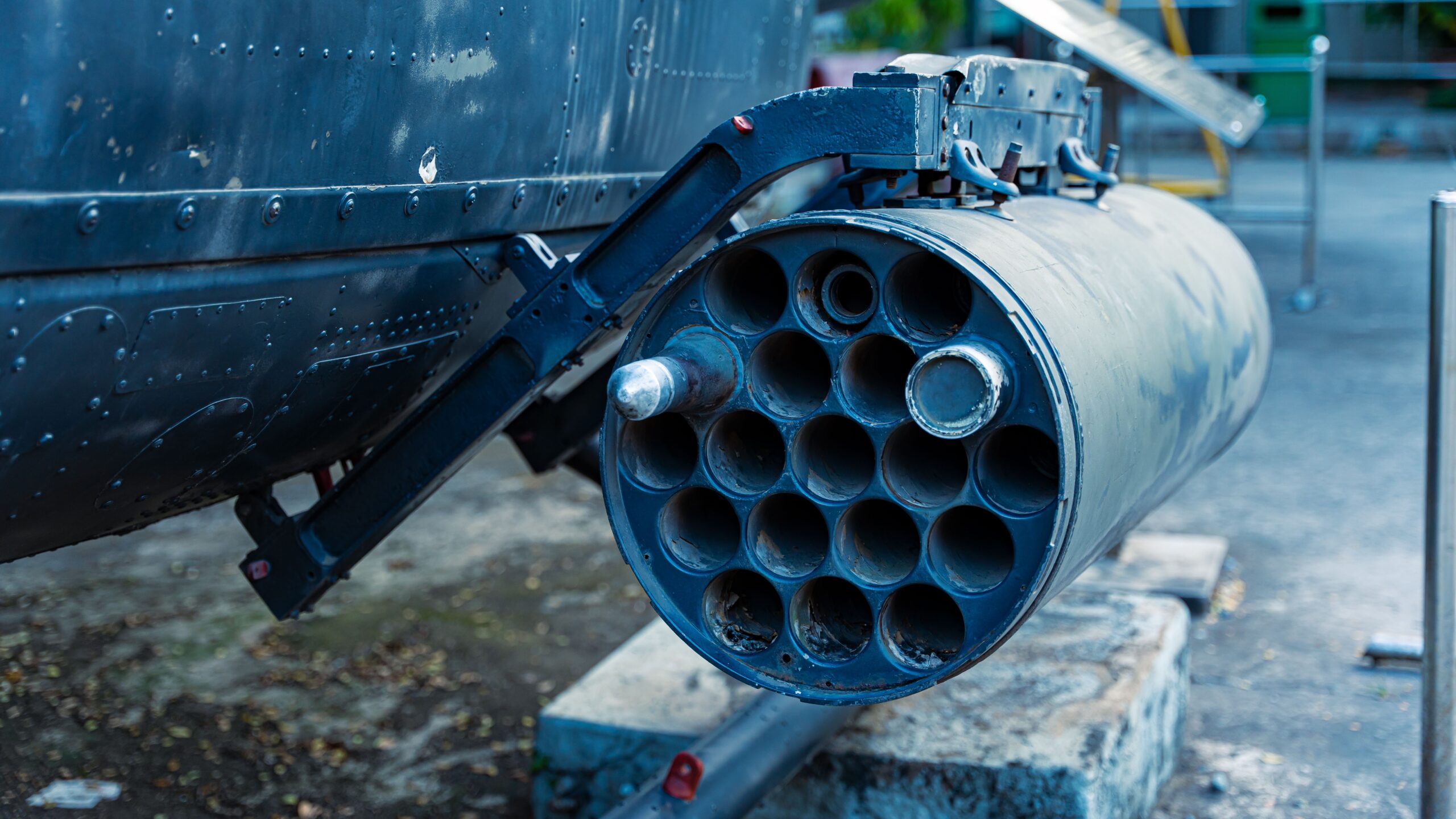
The operational consequences of this militarization have been immediate and severe. The friction between the two sides escalated sharply following an incident on 21 September, when three South Korean soldiers were wounded by a landmine blast while clearing a path inside the DMZ. One of the soldiers lost his foot. South Korea’s military concluded that the blast was caused by a North Korean mine placed south of the military demarcation line (MDL). Seoul demanded an apology, but Pyongyang denied any responsibility, labeling the incident a “self-staged farce.”
The dispute has been further complicated by disagreements over the precise location of the border itself. The armistice drew the MDL on maps at a scale of 1:50,000, where a line just one millimeter wide covers about 50 meters of ground. Of the 1,292 numbered markers originally planted to fix the line, only about 200 remain identifiable. Consequently, each side has reconstructed the border using different methodologies. South Korea relies on mapping aligned with the US National Geospatial-Intelligence Agency, while the US-led United Nations Command (UNC) uses its own survey from a decade ago. North Korea is believed to simply connect the remaining visible markers. South Korea’s defense ministry has found that its line and the UNC’s disagree at approximately 60 percent of the points compared, with discrepancies reaching tens of meters in places.
This ambiguity has led to frequent cross-border incidents. South Korea states that North Korean troops have repeatedly crossed the border during fortification work, prompting warning shots that Pyongyang describes as provocations by “armed rogues.” Reports indicate that North Korean troops crossed the border about 50 times in August and September alone, a significant increase from the 17 instances recorded in 2025. Kim Yo-jong, the leader’s sister and a powerful political figure, has issued roughly 10 statements in less than a month criticizing the South, a frequency that Seoul’s unification ministry describes as unusual. She recently announced that North Korea’s propaganda loudspeakers would be ready to broadcast across the border within days, a threat that has further lowered the temperature of diplomatic relations.
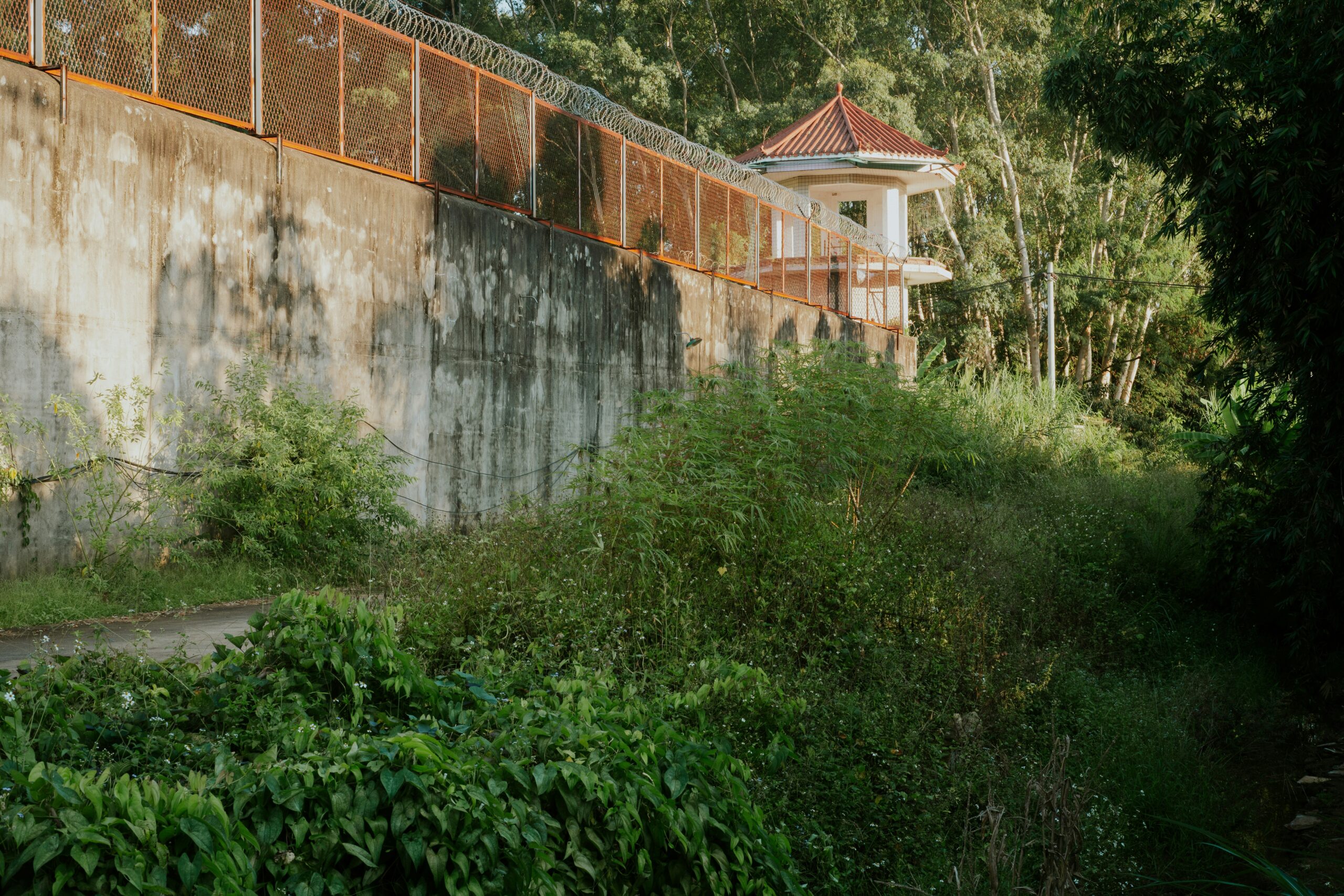
While Kim Yo-jong has argued that the fortification will eliminate the danger of conflict at the border, analysts suggest the opposite may be true. The installation of new artillery and missile units could make an accidental clash more likely to escalate into a broader confrontation. South Korea’s defense ministry has labeled the construction an armistice violation and demanded it stop. However, the UNC has maintained that construction and fortification do not automatically constitute violations, stating that each case must be judged on its specific facts.
Seoul has attempted to de-escalate the situation by proposing talks to jointly confirm the location of the MDL, restore military communication channels that were severed in 2023, and agree on measures to avoid accidental clashes. This is the second such offer made in a year; Pyongyang ignored the first. As the North completes its border fortification and tests next-generation drone and missile systems, the security architecture of the peninsula is being reshaped, with the DMZ transitioning from a fragile buffer to a hardened, contested frontier.